

In recent years, advanced dermal technologies have brought a new solution to beautiful skin and have gained massive popularity due to their incredible results.
Mandelic acid is an enzyme derived from bitter almonds. Its effects include fading of age and sun spots, evening out skin tone, and reducing pore size.
Mandelic acid is often used as a chemical peel or as part of a DIY skincare routine to brighten the skin, reduce acne scars and pigmentation marks, or help prevent wrinkles.
But what is mandelic acid? Where does it come from? And can I put mandelic acid under my eyes?
Even though mandelic acid is a gentle chemical peel, it is not recommended to be used under the eyes. Do not use mandelic acid around your eyes if you have sensitive skin or have never done any chemical peel.
The skin under the eye is very thin and delicate, and it can easily be irritated by chemicals like mandelic acid.
What Is Mandelic Acid Used For?
Mandelic acid is derived from bitter almonds but is also found naturally in many fruits, such as strawberries, sweet potatoes, and apples. It’s an alpha hydroxy acid, or AHA, with mild exfoliating properties.
AHAs help slough off dead skin cells on the surface of your face to reveal more youthful-looking skin underneath.
They also promote collagen production and prevent new wrinkles from forming by increasing the rate of cell turnover in your dermis (the lower layer of your skin).
Mandelic acid is known for its brightening effects on dark circles under the eyes, as well as hyperpigmentation caused by sun exposure, acne scars, using hormonal contraceptives, and pregnancy.
It’s also used in anti-acne treatments because it helps decrease oil production in pores and kill bacteria that cause breakouts.
5 Benefits of Mandelic Acid on the Skin
Mandelic acid is a popular choice for many skin care products because it offers many benefits. Some of these benefits include:
1. Removing the build-up of dead skin cells
Dead skin cells can clog pores and make your complexion dull and uneven. Mandelic acid helps remove these dead cells by dissolving them faster than other AHAs. This makes it an excellent treatment for acne-prone skin since it helps unclog pores, remove black and whiteheads, clear blemishes, and prevent breakouts. This will reveal a brighter, clearer complexion.
2. Improving overall skin texture
Mandelic acid has astringent properties that help tighten pores and improve overall skin texture by stimulating collagen production within the dermis layer of your skin. This helps slow the aging process and reduce hyperpigmentation from previous acne breakouts or scarring from chicken pox or other childhood diseases.
3. Balancing sebum production
Mandelic acid also has antibacterial properties that help control sebum production within your pores while reducing inflammation caused by acne.
4. Fighting acne and pimples
Mandelic acid works well on oily or acne-prone skin because it’s less irritating than other AHA acids like glycolic or lactic acids. You can use it on its own or with other treatments like benzoyl peroxide or antibiotics.
5. Reducing signs of aging
Mandelic acid is known for reducing the appearance of fine lines and wrinkles. This effect is due to its exfoliative properties, which remove dead skin cells from the skin’s surface, leaving it smoother and younger-looking.
In addition, mandelic acid also has antioxidant properties, which help protect your skin from free radical damage caused by environmental factors such as pollution or UV rays from sunlight exposure which can accelerate aging processes within our bodies.
Is Mandelic Acid Good for Wrinkles?
Yes. Mandelic acid can help reduce the appearance of fine lines and wrinkles over time because it exfoliates the upper layers of your skin and stimulates collagen production in the lower layers of your skin.
As we age, wrinkles and fine lines appear under our eyes. Some cases can be caused by allergic reactions to makeup, eye creams, and other skincare products.
Mandelic acid is a type of alpha hydroxy acid (AHA) that gently exfoliates the skin and helps reduce dark spots. It’s often used for acne treatment, but it can also help with wrinkles.
If you want to use Mandelic acid for wrinkles, apply a small amount to your face every night before bedtime. Massage it into your skin until it’s absorbed completely.
You should see results within two weeks if you use it regularly. If you experience irritation or redness after using mandelic acid, discontinue use immediately and consult your doctor if necessary.
How Long Does It Take for Mandelic Acid to Work?
You should see some results within two weeks of using mandelic acid on your face, but some people may see faster results than others depending on their skin type, how much product they’re using, and how often they’re doing treatments.
The frequency of treatments also affects results; daily use might give you faster results than weekly or monthly treatments could achieve.
If you’re starting with a cleanser instead of an exfoliant, expect to wait about four to eight weeks before seeing any noticeable skin tone or texture changes. If you use SPF every morning and are diligent, the effects will continue to improve.
3 Best Mandelic Acid Beauty Products
Mandelic acid is one of the most popular in skincare, but it isn’t easy to find products that use it. If you want to try mandelic acid, here are some of our favorite products that contain this gentle exfoliant.
1. Wishtrend Mandelic Acid 5% skin prep water
![[BY WISHTREND] Mandelic Acid 5% Skin prep Water, Gentle Skin exfoliator for face, Aha Bha Toner, Ideal for Sensitive Skin | Helping clogged pores and Pigmentation (1.01 Fl Oz (Pack of 1))](https://m.media-amazon.com/images/I/41XGHwTbBvL._SL160_.jpg "[BY WISHTREND] Mandelic Acid 5% Skin prep Water, Gentle Skin exfoliator for face, Aha Bha Toner, Ideal for Sensitive Skin | Helping clogged pores and Pigmentation (1.01 Fl Oz (Pack of 1))")
This product is a Mandelic acid-based toner that will help to remove dead skin cells and make way for new ones. The good thing about this toner is that you can use it for both oily and dry skin types. It also contains hyaluronic acid, which will help to hydrate your skin, making it look younger and more radiant.
Never assume that this prep water should take the place of your toner. Its designers are Korean and strongly believe in preparing your face to absorb the following products in your routine more effectively. This skin-sloughing tonic needs to be used after using a toner.
2. Hydro-Glo 40% peel pads
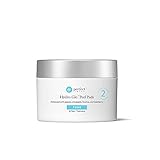
These peel pads are a great way to eliminate black and whiteheads. They contain lactic acid, kojic acid, and mandelic acid, which all help to prevent inflammation and reduce pore size, making them perfect for anyone with acne-prone skin or blackheads. The peel pads also contain aloe vera and tea tree oil, which help soothe irritated skin. These pads are gentle enough to use daily but strong enough to give you results after just one use.
3. Divine Skin pH balancing chemical peel neutralizer

This product is an exfoliator containing lactic acid, glycolic acid, and mandelic acid; all three of these ingredients are AHAs (alpha hydroxy acids), meaning they remove dead skin cells from the surface of the skin.
This product will help exfoliate and brighten your skin while preparing it for better absorption of other products. The neutralizer also helps with redness or irritation during the treatment process.
Can I put mandelic acid on my face?
Yes, mandelic acid is safe to use on your face. Applying this type of acid to your face can help reduce fine lines, wrinkles, and other signs of premature aging. It also helps lighten dark spots and even your skin tone to look younger and more vibrant.
Conclusion
In conclusion, mandelic acid is a great product for many skin concerns. As we’ve seen in this article, you can use it to reduce the appearance of wrinkles under the eyes. However, you should use it with caution if you have sensitive skin.
Also, be sure not to overdo it. If your skin becomes irritated after applying mandelic acid, stop using it immediately, no matter how much you love those results.


