

Finding the right products for fungal acne can be a little confusing, especially when the bumps look so much like ordinary pimples. However, fungal acne, medically known as Malassezia folliculitis, is caused by yeast affecting the hair follicles, so it often requires antifungal treatment rather than regular acne products.
Some commonly used treatments include ketoconazole creams, antifungal shampoos and medicated products containing selenium sulfide or ciclopirox. The right option depends on your skin condition, the affected area and how severe the outbreak is. Here are six categories of antifungal acne products worth knowing about, along with what they do and how to choose them safely.
What Is Fungal Acne?
Fungal acne is a common name for Malassezia folliculitis, a condition that develops when Malassezia yeast grows excessively inside hair follicles and causes inflammation.
It usually appears as small, similar-looking bumps that may be itchy. Common affected areas include the forehead, hairline, chest, shoulders and back.
Although it looks like ordinary acne, fungal acne requires a different treatment approach. Products containing antifungal ingredients are commonly used to manage the condition.
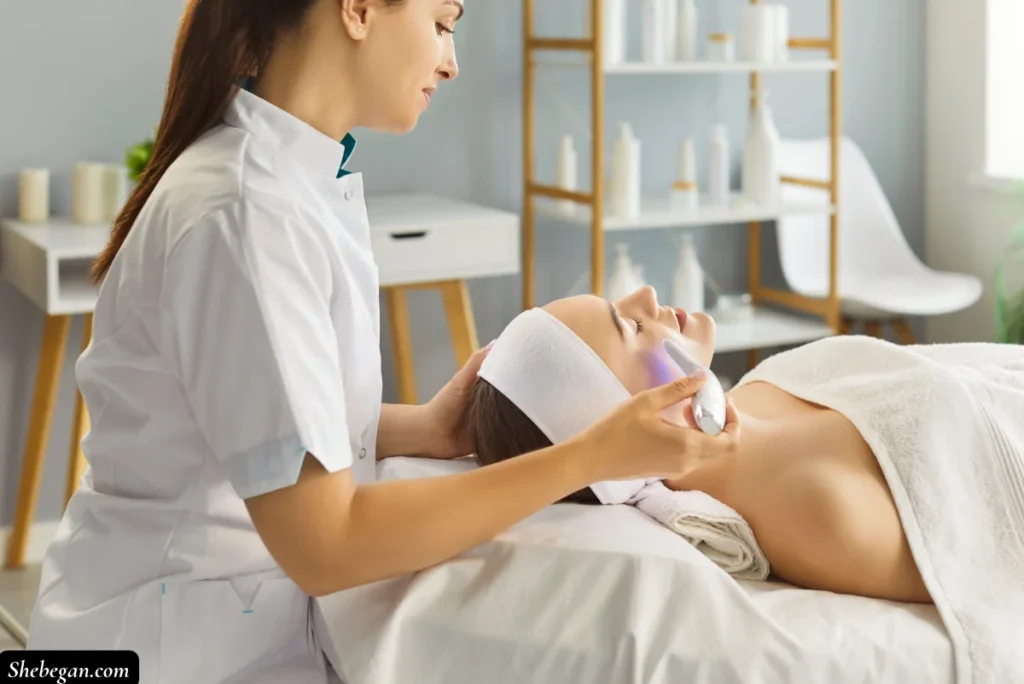
6 Best Antifungal Acne Products
Here are six categories of products and treatments that can help manage fungal acne.
1. Ketoconazole creams and gels
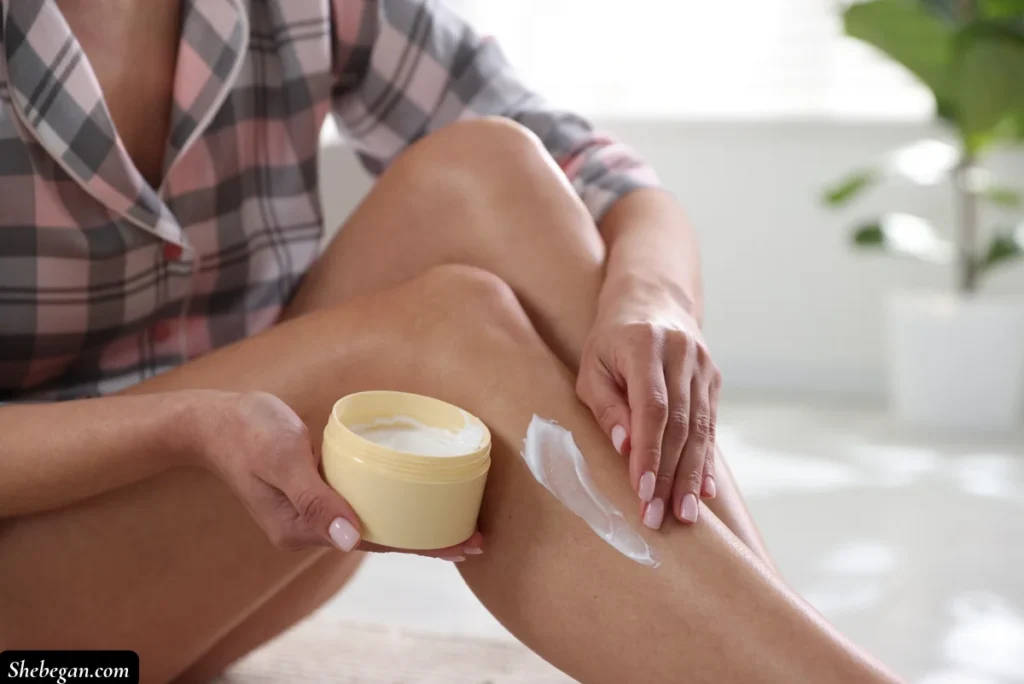
Ketoconazole is one of the established antifungal ingredients used to treat Malassezia folliculitis. It works by interfering with fungal cell membrane production, helping to control yeast growth.
Ketoconazole creams and gels are applied directly to affected skin. They may be recommended for localized fungal acne, especially when the bumps appear on areas such as the forehead, chest or back.
The formulation and treatment duration matter, so follow your healthcare provider’s instructions. Some people may experience irritation or a burning sensation when using topical antifungals.
2. Antifungal shampoos
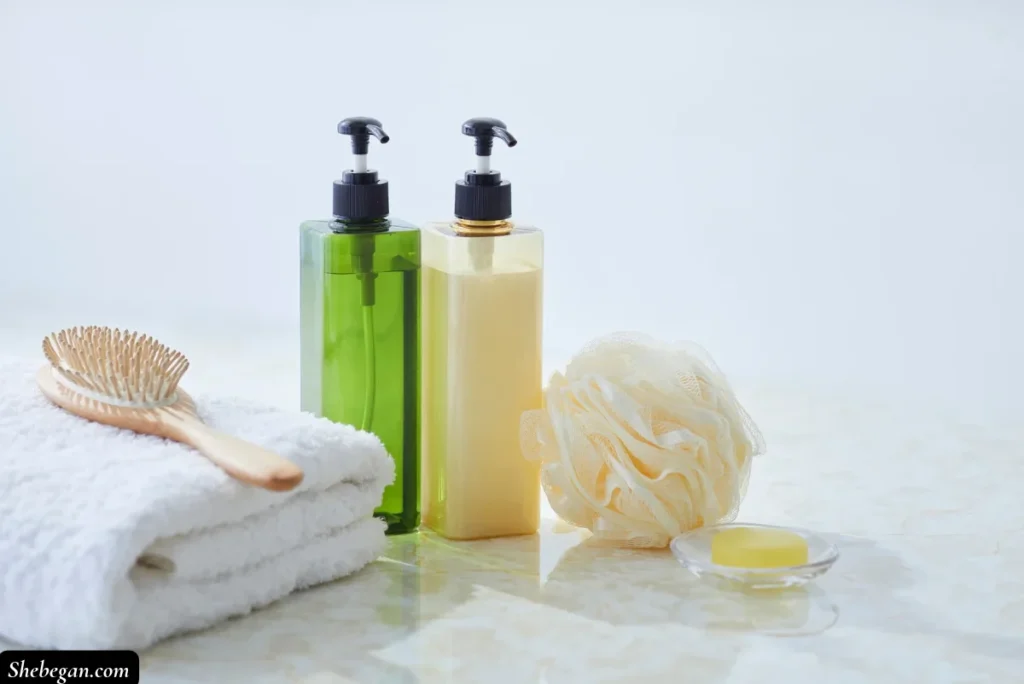
Antifungal shampoos are another useful treatment option, particularly when fungal acne affects the scalp, hairline, forehead or upper body.
Look for products containing ingredients such as:
- Ketoconazole: An antifungal ingredient used to control Malassezia yeast.
- Selenium sulfide: Helps reduce fungal growth and is used in some treatments for Malassezia folliculitis.
- Ciclopirox: An antifungal ingredient available in certain shampoo formulations.
Some antifungal shampoos are available over the counter, while others require a prescription. They may be used as a wash on affected skin when recommended by a dermatologist.
Avoid assuming that every dandruff shampoo is suitable for facial use. Check the product instructions and seek medical advice before applying medicated shampoo to sensitive areas.
3. Prescription oral antifungals
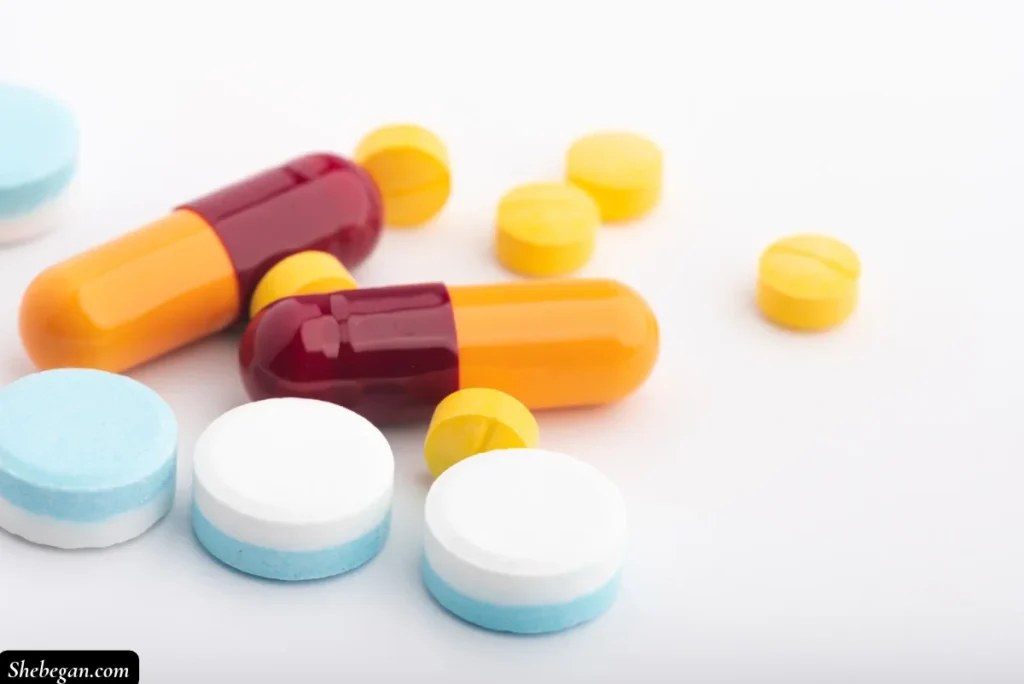
When fungal acne is widespread, persistent or does not respond adequately to topical treatment, a dermatologist may recommend oral antifungal medication.
Two medications commonly used for Malassezia folliculitis are fluconazole and itraconazole. These medicines work throughout the body and may be more appropriate for certain extensive cases.
However, they are prescription treatments, not ordinary skincare products. They can cause side effects, including stomach discomfort and potentially serious liver-related problems. They may also interact with other medications.
Never start oral antifungal medication without a healthcare professional’s assessment and supervision.
4. Other topical antifungal creams
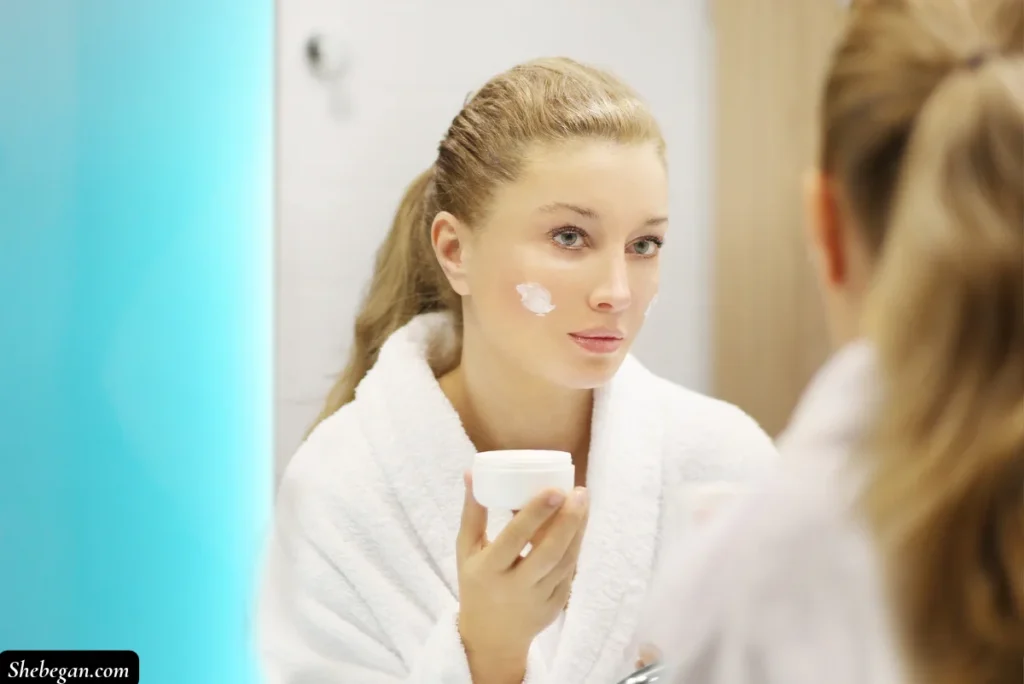
Besides ketoconazole, other topical antifungal ingredients can help manage Malassezia folliculitis.
These include:
- Econazole: An antifungal ingredient available in topical formulations.
- Clotrimazole: Used to treat certain fungal skin infections.
- Miconazole: Another topical antifungal option.
- Ciclopirox: Available in cream, gel and other formulations.
The best option depends on the affected area, the severity of the condition and product availability. Your dermatologist can help you choose an appropriate formulation.
5. Medicated antifungal cleansers
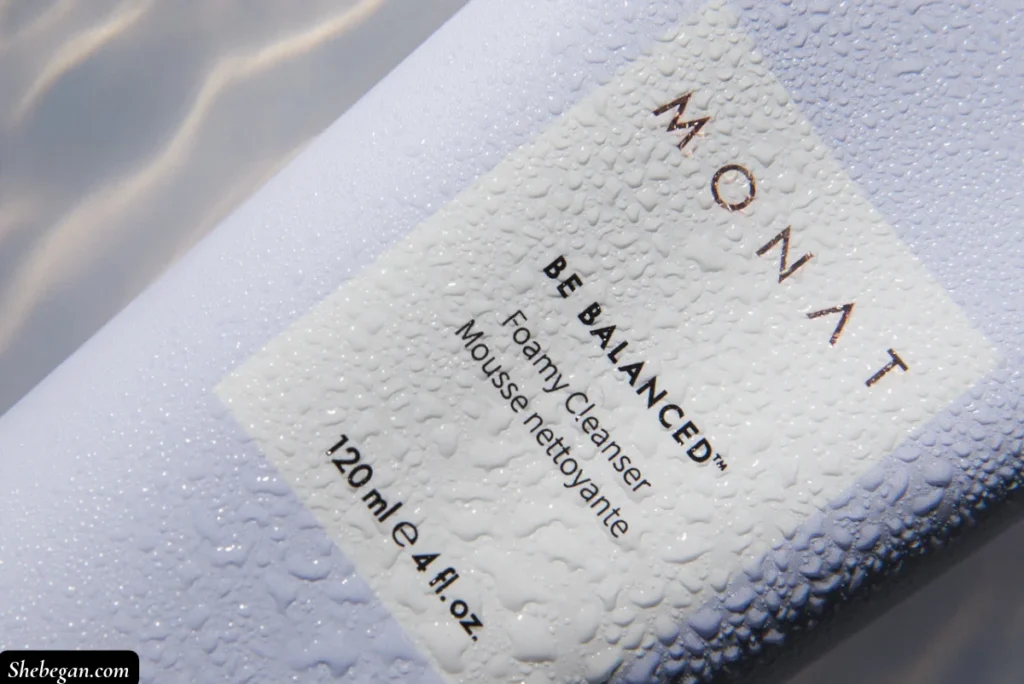
Medicated cleansers can be useful when fungal acne affects larger areas of the body, such as the chest, shoulders and back.
Some formulations contain antifungal ingredients such as ketoconazole, selenium sulfide or other suitable agents. They help manage yeast on the skin when used according to the recommended directions.
However, ordinary salicylic acid cleansers are not antifungal treatments. They may help with clogged pores and regular acne, but they do not replace medication that targets Malassezia yeast.
Choose a cleanser that suits your skin and avoid excessive washing, which can cause dryness and irritation.
6. Antifungal powders and sprays
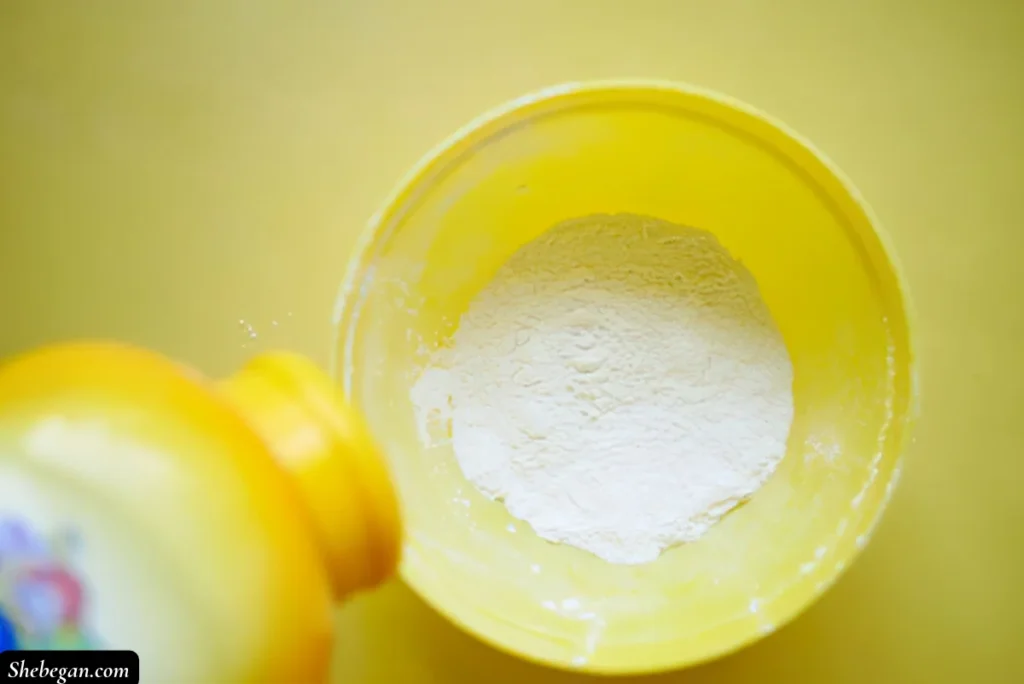
Antifungal powders and sprays are often used for certain fungal skin infections, particularly in areas that experience moisture and sweating.
However, not every antifungal powder or spray is effective against Malassezia folliculitis. Their usefulness depends on the active ingredient and whether it is appropriate for the condition.
If you are considering one, check its ingredients and ask a dermatologist whether it is suitable for your particular skin problem.
Avoid applying random antifungal products to your face or sensitive areas without checking their instructions.
How to Choose the Right Product for Fungal Acne
Choosing an antifungal product requires a little attention because different formulations serve different purposes.
1. Consider the affected area
Think about where the bumps appear. Facial skin may require a different formulation from the skin on your chest or back.
A dermatologist can recommend a suitable cream, gel, shampoo or wash depending on the location.
2. Check the active ingredients
Look for established antifungal ingredients such as ketoconazole, selenium sulfide, econazole and ciclopirox.
Check the product label rather than relying on marketing descriptions such as anti-acne or clarifying.
3. Consider your skin sensitivity
Some medicated products can cause dryness, redness or irritation. If you have sensitive skin, discuss suitable formulations with your dermatologist and follow the recommended directions.
Stop using a product and seek advice if you develop significant irritation.
4. Understand prescription requirements
Some antifungal treatments are available without a prescription, depending on the country and formulation. Others require medical approval.
Do not assume that a stronger medication will produce better results. The right treatment depends on your diagnosis and medical history.
Frequently Asked Questions
What is the best product for fungal acne?
Products containing ketoconazole, selenium sulfide and ciclopirox are among the established treatment options for fungal acne. The best choice depends on the affected area and severity of the condition.
Does ketoconazole help fungal acne?
Yes. Ketoconazole is a topical antifungal used to manage Malassezia folliculitis. It is available in creams and shampoos, although the appropriate formulation depends on where the condition appears.
Can I use antifungal shampoo on my face?
Some antifungal shampoos may be recommended for facial fungal acne, but not every formulation is suitable for facial skin. Follow the product instructions and ask a dermatologist before using medicated shampoo on your face.
Can I treat fungal acne without a prescription?
Some topical antifungal products are available without a prescription, depending on the formulation and location. However, getting the correct diagnosis is important because fungal acne can look like regular acne and other skin conditions.
How long does antifungal treatment take to work?
Treatment time varies depending on the product, severity and individual response. Some people improve within a few weeks, while persistent cases may require a different treatment approach.
Does selenium sulfide help fungal acne?
Yes. Selenium sulfide is an established treatment option for Malassezia folliculitis. It is available in certain medicated shampoos and should be used according to the product instructions or a dermatologist’s advice.
Can tea tree oil treat fungal acne?
Tea tree oil has antimicrobial properties, but there is insufficient clinical evidence to recommend it as a reliable treatment for Malassezia folliculitis. It can also irritate some people’s skin.
Can fungal acne return after treatment?
Yes. Malassezia yeast naturally lives on the skin, so fungal acne can return even after successful treatment. A dermatologist may recommend periodic topical antifungal treatment to help manage recurring outbreaks.
Conclusion
Choosing the right antifungal acne products starts with understanding what is causing the bumps on your skin. Ingredients such as ketoconazole, selenium sulfide and ciclopirox have established uses in managing Malassezia folliculitis, while more extensive cases may require prescription treatment.
Pay attention to the active ingredients, choose a suitable formulation and follow the recommended instructions. If your fungal acne keeps returning or does not improve, consult a dermatologist for a proper diagnosis and treatment plan.
Medical references:


