
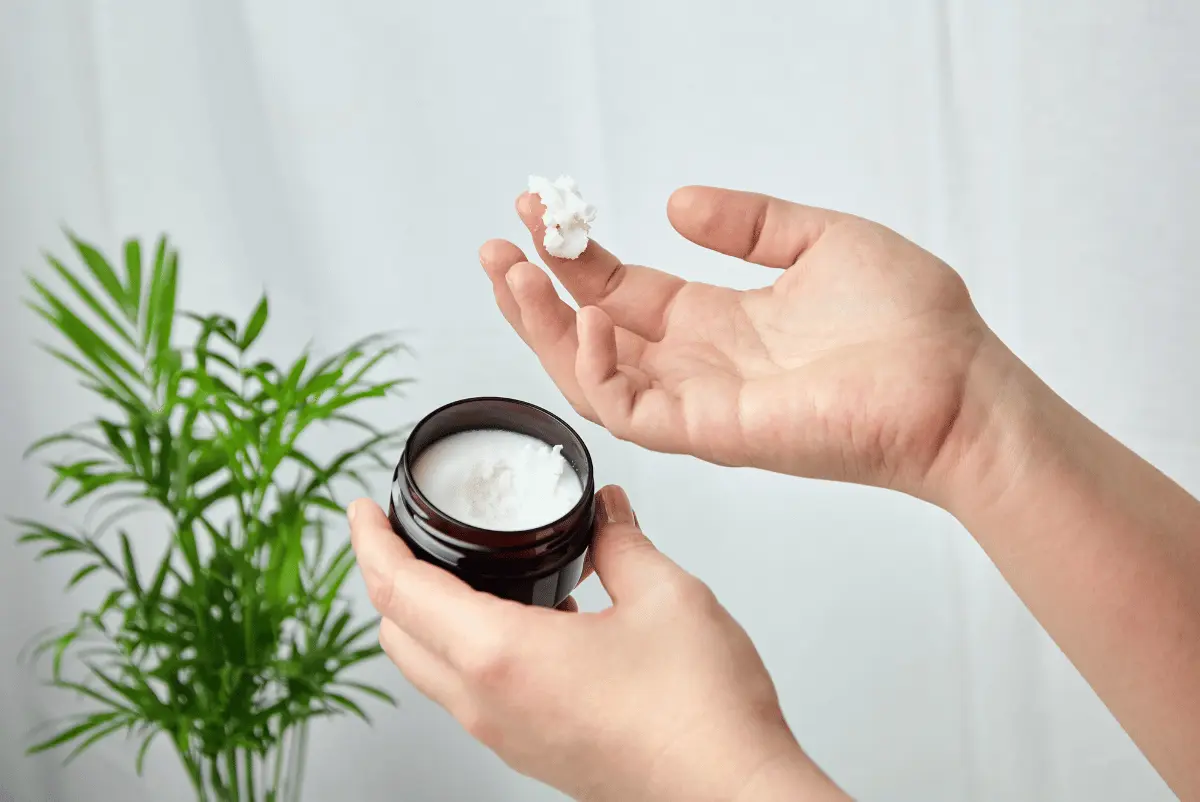
Shea butter works for skin conditions like skin tightness and sunburn. For that reason, a lot of people (myself included) have incorporated shear butter into their skin care regimen. I mostly use mine during the day and at night. But conversely, can I leave shea butter on my face overnight?
Yes, leaving shea butter on your face overnight creates a protective barrier, seals in moisture, and aids skin repair. However, exercise caution, particularly if you have oily or acne-prone skin, as shea butter’s heaviness could lead to pore congestion.
In this blog post, I will discuss the benefits of overnight shea butter application, potential drawbacks, and how shea butter affects different skin types.
8 Benefits of Overnight Shea Butter Application
Here are the key advantages of leaving shea butter on your face overnight:
1. Give intense hydration
Shea butter’s rich and creamy texture provides deep hydration to your skin which helps to combat dryness and replenish lost moisture. Overnight application allows the shea butter to penetrate deeply, resulting in a refreshed and plump complexion in the morning.
2. It nourishes the skin with essential nutrients
Packed with essential fatty acids, vitamins A and E, and antioxidants, shea butter delivers a nutrient-rich boost to your skin while you sleep. These elements support the skin’s natural repair processes and aid the maintenance of a youthful and healthy appearance.
3. Serves as a protective barrier
Shea butter forms a protective barrier on the skin’s surface thereby preventing water loss and external irritants from penetrating. This protective shield is fortified during the night and reinforces your skin’s defense mechanisms.
4. Soften and Smoothens the face
Overnight shea butter application can work wonders for softening rough or uneven skin texture. It aids in smoothing out fine lines, soothing flakiness, and promoting a silky-smooth complexion.
5. Revitalizes and glows up the skin
Shea butter’s moisturizing prowess contributes to a natural radiance that can be particularly noticeable in the morning. Your skin may appear revitalized, illuminated, and well-rested after a night of shea butter treatment.
6. Its anti-inflammatory properties soothe the skin
If you have sensitive or irritated skin, shea butter’s anti-inflammatory properties can provide overnight relief. It helps calm redness and discomfort, leaving you with a more even and tranquil complexion.
7. Gently repairs the skin overnight
While you sleep, your skin is in repair mode. Shea butter supports this process by providing the necessary elements for cell regeneration which contributes to a revitalized and rejuvenated appearance.
8. Targeted treatment
Overnight shea butter application can be especially beneficial for specific areas, such as dry patches, rough elbows, or chapped lips. Applying a small amount directly to these areas before bed can yield targeted benefits.
7 Skin Types and Effects of Overnight Shea Butter Application on Them
Here’s a breakdown of considerations for various skin types:
1. Dry skin
Dry skin types can greatly benefit from overnight shea butter application. The intense hydration and rich nutrients in shea butter help combat dryness, flakiness, and tightness, leaving your skin feeling replenished and supple.
2. Normal skin
For those with normal skin, overnight shea butter application can provide an extra boost of nourishment and help maintain your skin’s healthy balance. It can contribute to a radiant complexion and enhance your skin’s natural glow.
3. Combination skin
Combination skin types should focus on strategic application. Consider applying shea butter primarily to dry or sensitive areas, while avoiding oilier zones to prevent excessive greasiness.
4. Oily skin
Oily skin types should exercise caution with overnight shea butter application. While shea butter is non-comedogenic, its rich consistency may lead to pore congestion for some individuals. It’s advisable to opt for lighter moisturizers or spot treatments instead.
5. Sensitive skin
Shea butter’s gentle and soothing properties make it suitable for sensitive skin, but patch testing is crucial to ensure compatibility. Overnight application can help calm irritation and provide relief to sensitive areas.
6. Acne-prone skin
If you have acne-prone skin, be vigilant about product selection and application. Shea butter’s occlusive nature may not be ideal for all acne-prone individuals, as it can potentially exacerbate breakouts.
7. Aging or mature skin
Aging or mature skin can benefit from shea butter’s nourishing and anti-aging properties. Overnight application can aid in maintaining skin elasticity, reducing the appearance of fine lines, and promoting a more youthful complexion.
8 Precautions and Potential Drawbacks
Here are the precautions and potential drawbacks to be mindful of:
1. It can block pores and cause breakouts
While shea butter is non-comedogenic, its rich consistency may be too heavy for some skin types, potentially leading to pore congestion and breakouts, especially for oily or acne-prone skin. To mitigate this risk, apply shea butter sparingly or consider alternative, lighter moisturizing options.
2. Allergic reactions
Shea butter is derived from a nut, and individuals with nut allergies should exercise caution. Conduct a patch test before applying shea butter to your face to ensure you do not experience any adverse reactions. If you’re uncertain about your allergies, consult with a healthcare professional.
3. Greasiness and staining
Overapplying shea butter can leave a greasy residue on your pillowcase and hair. To avoid discomfort and staining, use a minimal amount and gently massage it into your skin. Consider tying your hair back or using a hair wrap to prevent contact.
4. Unwanted shine
For those with oily skin, shea butter’s natural sheen may lead to an unwanted glow on the skin. If you’re prone to excessive oiliness, consider using shea butter as a targeted treatment on dry patches rather than applying it all over your face.
5. May not be compatible with other products
The interaction between shea butter and certain skincare products may lead to reduced efficacy or even adverse reactions. Be cautious when layering shea butter with other treatments or products, especially those containing active ingredients like retinol or alpha hydroxy acids.
6. Individual sensitivity
Individual skin sensitivities vary, and while shea butter is generally well-tolerated, some individuals may experience irritation or redness. Always patch test before full-face application, especially if you have sensitive skin.
7. Potential for stagnant progress
Depending solely on shea butter for overnight skincare may limit your exposure to a diverse range of beneficial ingredients that address specific skin concerns. Consider incorporating shea butter as part of a well-rounded routine that includes cleansing, serums, and targeted treatments.
8. Skin type considerations
Different skin types may experience varying results with overnight shea butter application. Tailor the approach to suit your skin’s unique needs, focusing on areas that require extra nourishment and avoiding those prone to excess oiliness.
Does shea butter brighten face?
Not really. While not a primary brightening powerhouse, shea butter’s holistic approach to skincare can contribute to a naturally glowing complexion when used consistently and in harmony with other skincare practices.
Final Word
Letting shea butter rest on your face overnight remedies your skin. Just remember, while it’s great for many, if your skin tends to be oily or sensitive, a light touch is best to avoid any greasy surprises.
Understanding potential drawbacks and taking necessary precautions can help you make an informed decision and achieve the best results for your skin.


