

If you love getting a tan in the tanning bed then you probably are aware that self-tanner does not work the same way because it does not contain UV light. However, self-tanning lotion can start fading if you are in a tanning bed or if you spend time outside.
The quest for getting a glowing tan that looks like you spent enough time in the sun may seem overly expressed as people look towards different tanning means. There are many options and they all present their pros and cons. The product and machine are two different things performing almost the same function. So, does self tanner affect tanning beds?
The truth is, a self-tanner will not affect a tanning bed, rather it will affect the skin of the user using both at once. The tanning bed is an equipment that will perform its function no matter what lies under it. All it needs is to provide the needed UV exposure to arrive at the tanning level it was set. Whatever you applied to your skin does not matter.
ALSO READ: Do Tan Accelerators Work in Sunbeds?
Reasons a Self Tanner Will Not Directly Affect a Tanning Bed
Self-tanners do not affect a tanning bed directly, only the user, and for the following reasons:
1. Self-tanners do not contain UV light
Self-tanners are designed to give your skin a more even tone and color. Sunless tanners do not have the harmful effects of sun exposure and cannot cause cancer as UV rays can. Most sunless tanners contain DHA (dihydroxyacetone), which reacts with amino acids in the outer layer of skin cells called keratinocytes to produce brown pigments on the skin’s surface that mimic those produced by the sun.
Although it is safe for most people when used properly, there are some precautions you should take before applying self-tanner such as avoiding sensitive areas like eyes and lips and avoiding contact with fabrics and clothes.
2. Two products don’t work the same way
Another reason a self-tanner would not affect a tanning bed is that the two products do not work in the same way. Self-tanners use a chemical reaction to darken your skin and produce a tan. Tanning beds use UVA light to encourage the production of melanin in your skin. For this reason, they won’t affect each other, since their reactions won’t interfere with each other.
3. They work on different processes
Self-tanners and tanning beds are indeed both designed to give your skin a gorgeous glow. But they’re different methods of achieving the same goal. A self-tanner uses a chemical process that reacts with your skin’s natural pigmentation to create a new base color. A tanning bed, on the other hand, uses ultraviolet radiation to simulate the sun’s rays to stimulate the production of melanin (your body’s naturally occurring pigment).
4. Skin penetration
Self-tanners don’t penetrate deeply enough into your skin for UV exposure to affect them. As I mentioned earlier, self-tanners use chemicals to react with your skin’s natural pigmentation to create a new base color. The only way to get those chemicals deep enough into your skin is through a topical application, which means they won’t be affected by UV rays from either source.
Should You Use a Self-tanner and A Tanning Bed at Once?
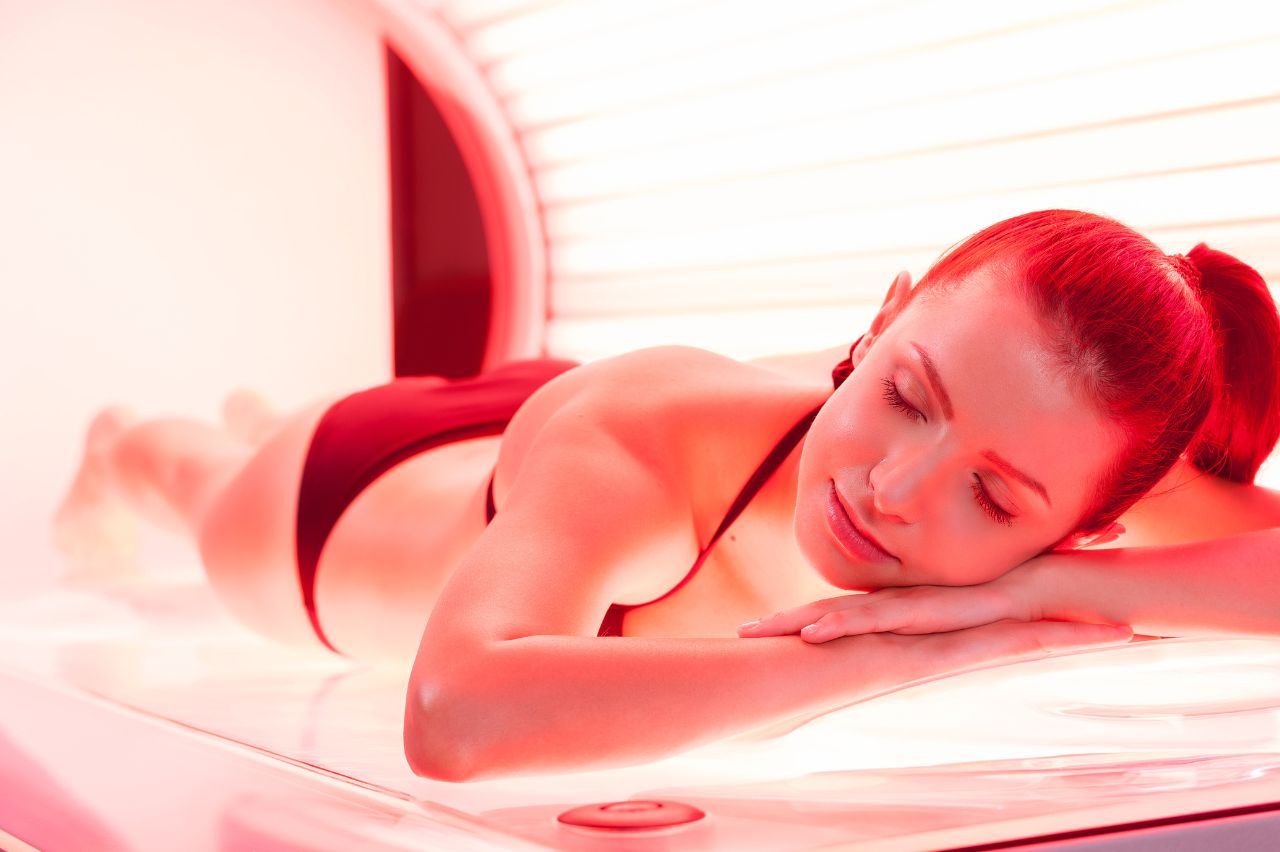
No, you shouldn’t. Using a self-tanner and a tanning bed is not recommended by dermatologists. In fact, it’s one of the worst things you can do for your skin. Self-tanners are meant to be used in addition to sun exposure and the use of a tanning bed is not recommended by most health agencies. Yet, many people still use both products together every day.
The combination of these two products can lead to harmful health effects such as premature aging and skin cancer. When you combine self-tanners with tanning beds, you’re putting yourself at risk for premature aging and skin cancer. The reason this happens is that the ingredients in self-tanners aren’t safe and they can damage your DNA if they come into contact with sun lamps or UV rays from the sun or tanning bed
NOTE: If you’re going to use a self-tanner and a tanning bed, the self-tanner must be applied way before going into the tanning bed. Allowing enough time for the lotion to dry before getting in is essential, as this will ensure that any stains on your skin are removed before you start tanning.
How Does a Self-tanner Work?
Self-tanner works by laying down a fake layer of pigment on the skin. This color is not made from real melanin, which is the pigment that gives skin its color and protects you from sunburns. Instead, it’s either a chemical or a mix of chemicals that react with proteins in your skin to create a temporary stain.
When you use a self-tanning product, it goes through two processes. The first is called oxidation. When your skin absorbs the lotion, it reacts with the active ingredients in the formula, causing them to oxidize and turn your skin tan. The second process is called polymerization. Polymerization occurs when more and more of the active ingredient molecules react with each other, creating a longer-lasting color.
When you apply a self-tanner, it will initially look dark but will lighten over time as it oxidizes and polymerizes. You may notice some streaking at first, but this will even out as you continue to wear the product.
Can I Use a Self-Tanner Before Tanning Bed?
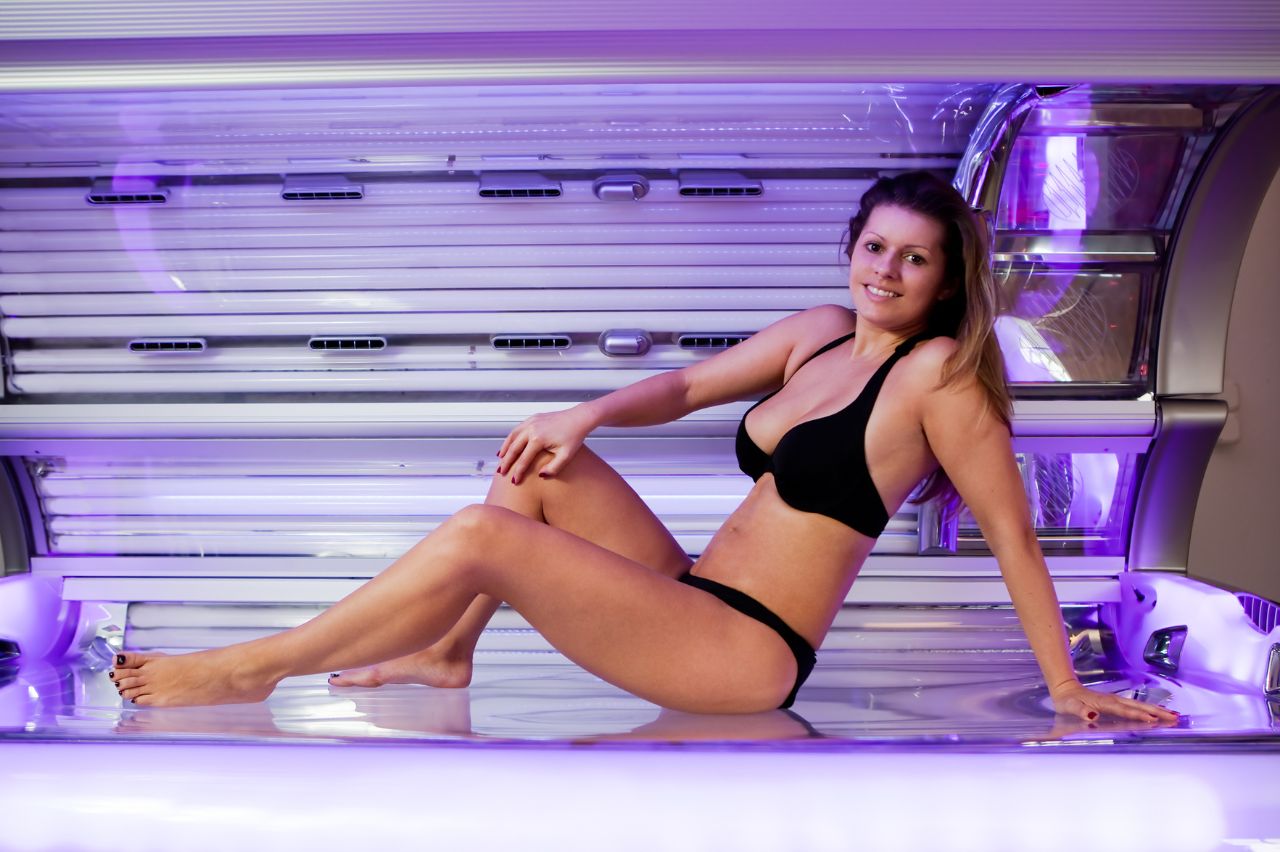
Though not explicitly advised, you can, under guided circumstances, use a self-tanner before a tanning bed. What do you do? Once the lotion has dried, you can go ahead and get into the tanning bed.
1. The UV rays will help your skin develop a deeper color
Some people find that they need only one session in a tanning bed to achieve an even tan while others need several sessions over the course of five days or more. Once you’ve completed your session in the tanning bed, rinse off any remaining lotion with warm water. You may also want to wash off any excess lotion with soap and water if possible
2. It prevents your skin from getting damaged by UV rays
When you apply a self-tanner, it protects your skin from the harmful effects of UV rays. The lotion acts as a shield against UV rays and prevents them from penetrating your skin. So, even if you use a lotion, there is no need to worry about getting damaged by UV rays while tanning on the sunbeds.
3. It protects your skin against premature aging
One of the major benefits of using a self-tanner is that it helps prevent premature aging of your skin by preventing wrinkles and fine lines from forming on it. When applied regularly, it helps increase collagen production in your body which makes your skin supple and less prone to wrinkles and fine lines. This effect lasts long after you stop using the product as well so that you get clear smooth looking skin for longer periods of time.
TRENDING: Do Bronzers Help You Tan?
Can You Tan Faster by Using a Self Tanner and a Tanning Bed?
Yes, you can tan faster by using a self-tanner and a tanning bed. But then, it depends on the type of self-tanner you use and how you apply it.
The first thing to remember is that self-tanners come in different strengths and there are different methods of application. Some self-tanners are very easy to apply and you only need one coat. These products can be applied before going into the tanning bed or right after getting out of it. Other self-tanners require several applications, which means that they will require more time in the tanning bed.
The second factor to consider is how long it takes for your skin to get darker with each application. This can vary from person to person, but it typically takes about an hour for most people’s skin to absorb enough of the product for them to see results. But through it all, it is not advised, no matter the swiftness in tanning. These are dangerous practices with high risks.
ALSO READ: Does Aftersun Prolong Tan?
Does Self Tanning Cause Cancer?
No, it doesn’t. There’s no evidence that self-tanning causes skin cancer, and there are many reasons why you should use it. Self-tanning is one of the best ways to protect your skin from the sun, which is why dermatologists recommend it.
Self-tanner is a cosmetic product that darkens your skin to give you a more tanned appearance. It can also help even out your skin tone, which makes it especially useful for people with uneven complexions or scars.
The most common side effects associated with self-tanner use include irritation, redness, and a blotchy application. However, some people have reported more serious reactions like blistering skin, reactions at the application site
Conclusion
All in all, a self-tanner would not affect a tanning bed, the only effect is on the user. While it may seem confusing to associate the two at once, we have highlighted some points why they are paired as well as some effects and benefits to them.


