

Choosing the right shampoo can make a difference in how your hair feels after washing. If your hair often feels dry, frizzy or stripped after shampooing, you may want to try one of the best sulfate-free shampoos. These shampoos use cleansing ingredients other than traditional sulfate detergents and can be a good option for people who want a gentler hair-washing routine.
However, the right shampoo still depends on your hair type and scalp needs. Some formulas are better suited to dry or color-treated hair, while others work well for fine hair that needs a little volume. Below are five sulfate-free shampoo options, their benefits and the ingredients to look for when choosing one.
What Is Sulfate-Free Shampoo?
Sulfate-free shampoo is a hair cleanser formulated without sulfate detergents such as sodium lauryl sulfate (SLS) and sodium laureth sulfate (SLES).
Sulfates are cleansing agents that help remove dirt, excess oil and product buildup from the hair and scalp. They also create the rich foam many people associate with shampoo. However, some sulfate formulas can be too drying or irritating for certain hair and scalp types.
Sulfate-free shampoos use alternative cleansing ingredients, such as glucosides, betaines and isethionates. Depending on the formula, they can cleanse the hair while helping to reduce excessive dryness.
Benefits of Using Sulfate-Free Shampoo
Here are some reasons you may want to consider switching to a sulfate-free shampoo.
1. Helps reduce excessive dryness
Some strong cleansing formulas can remove too much of the natural oil on your hair and scalp, leaving your strands feeling dry. This can be particularly uncomfortable if you already have naturally dry or damaged hair.
Sulfate-free shampoos can offer a gentler cleansing option. Many also contain moisturizing ingredients that help leave the hair feeling softer after washing.
2. Can be gentler on sensitive scalps
If your scalp becomes uncomfortable after using certain shampoos, trying a different cleansing formula may help. Some sulfate-free shampoos use milder surfactants that are less drying than stronger detergents.
However, being sulfate-free does not automatically mean a shampoo is suitable for sensitive skin. Fragrance, preservatives and botanical ingredients can also cause irritation in some people.
3. Helps maintain color-treated hair
If you regularly dye your hair, you may want to consider a sulfate-free shampoo. Some strong cleansing formulas can contribute to faster color fading, especially when combined with frequent washing.
A color-safe sulfate-free shampoo can help maintain your hair color while gently cleansing your strands. Always check that the manufacturer specifically recommends the product for color-treated hair.
4. Supports moisture retention in dry and curly hair
Curly hair can sometimes become dry and difficult to manage, particularly when exposed to frequent washing and heat styling.
A moisturizing sulfate-free shampoo can help cleanse curly hair without excessive stripping. Look for formulas containing glycerin, panthenol and conditioning ingredients that help improve softness and manageability.
5 Best Sulfate-Free Shampoos
Here are five products from the original recommendations worth considering. Their suitability depends on your hair needs, and you should check current ingredient lists and product availability before purchasing.
1. Olaplex No. 4 Bond Maintenance Shampoo
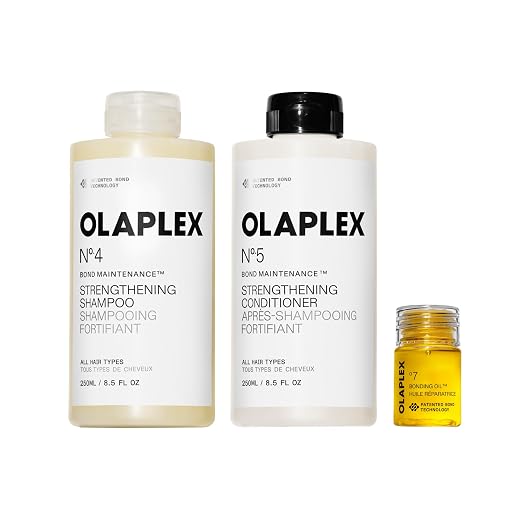
Olaplex No. 4 Bond Maintenance Shampoo is a sulfate-free cleanser designed for people dealing with damaged, chemically treated or color-treated hair.
Its formula contains bis-aminopropyl diglycol dimaleate, an ingredient used in the brand’s bond-building haircare technology. It also contains conditioning ingredients that help improve softness and manageability.
Key features:
- Formulated without SLS and SLES sulfates.
- Suitable for color-treated and chemically treated hair.
- Helps reduce the appearance of breakage and frizz.
- Contains conditioning ingredients to improve softness.
- Suitable for different hair textures.
This is a good option to consider if your hair has been exposed to frequent coloring, bleaching or heat styling. However, it is a premium-priced product, so consider your budget before purchasing.
2. Botanic Hearth Argan Oil Shampoo
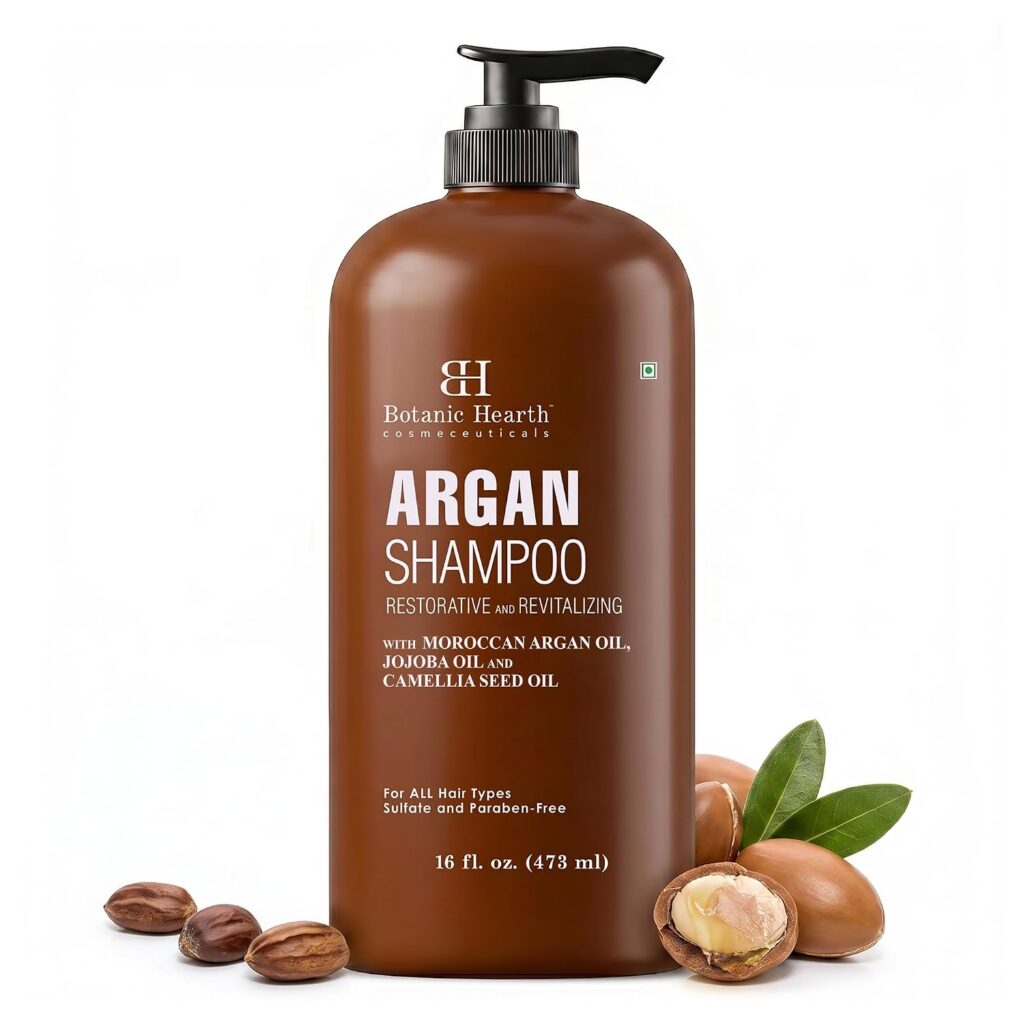
Botanic Hearth Argan Oil Shampoo is another great product. Argan oil is commonly used in haircare products because of its conditioning properties and ability to help improve the feel of dry strands.
Best for dry hair and moisture-focused routines. Also suitable for anyone looking for an argan oil-based haircare option.
It may be worth considering if you prefer argan oil-based haircare and want a shampoo that fits into a moisture-focused routine.
3. OUAI Clean Shampoo
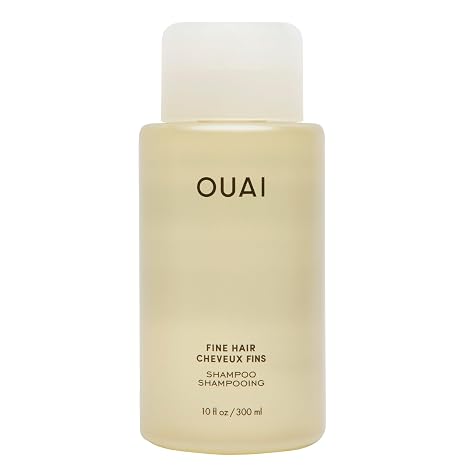
OUAI Clean Shampoo is a gentle cleansing option. Best for fine and flat hair.
This sulfate-free formula contains biotin, hydrolyzed keratin and chia seed oil. It is designed to give fine hair a fuller-looking appearance without a heavy finish.
When choosing an OUAI shampoo, consider your hair type, how much product buildup you experience and the specific cleansing needs of your scalp.
4. L’Oréal EverPure Moisture Shampoo
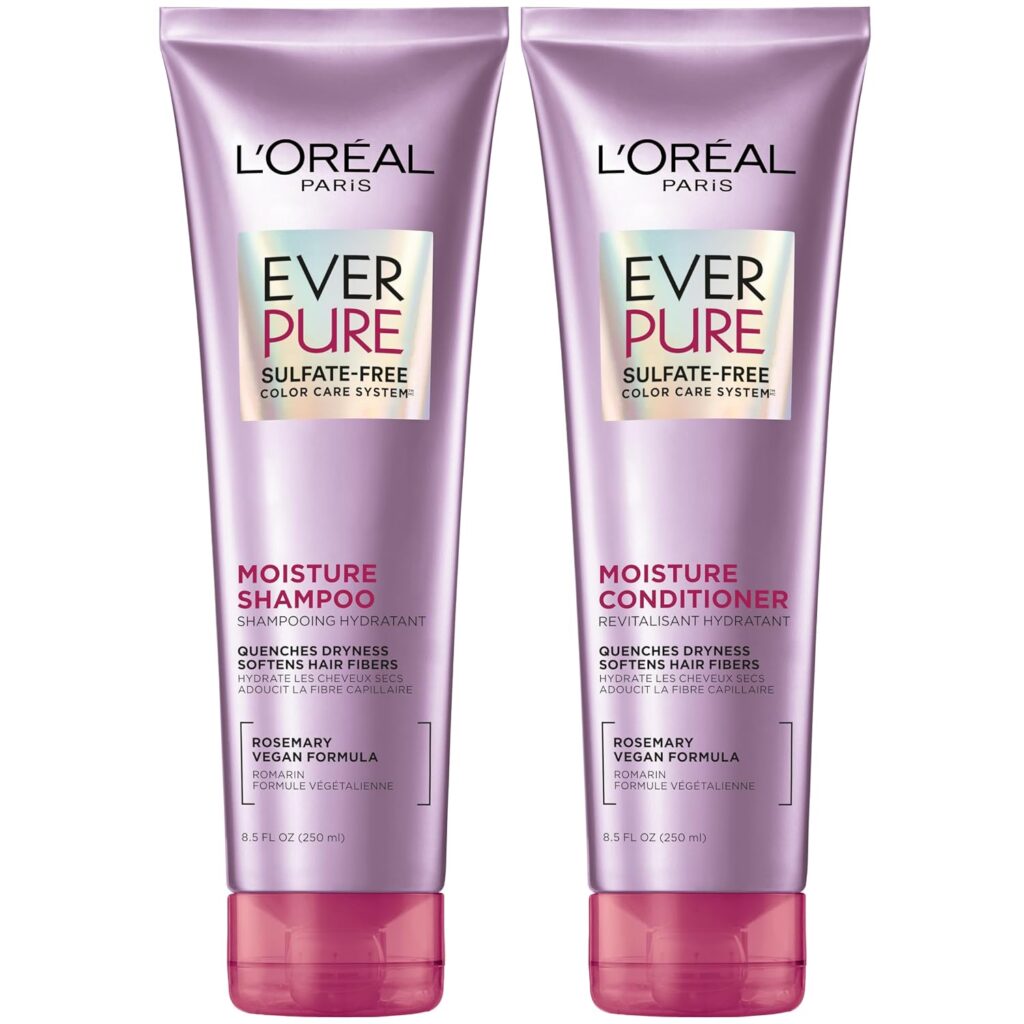
L’Oréal EverPure Moisture Shampoo is a sulfate-free moisturizing shampoo designed for dry and color-treated hair.
Its formula contains rosemary and is designed to cleanse while helping maintain moisture and softness. The manufacturer also identifies it as suitable for color-treated hair.
Key features:
- Sulfate-free formulation.
- Designed for dry and dehydrated hair.
- Helps improve softness and shine.
- Suitable for color-treated hair.
- Contains rosemary.
This is a good option if you want a more accessible moisturizing shampoo for your regular haircare routine.
5. Aveeno Fresh Greens Blend Shampoo
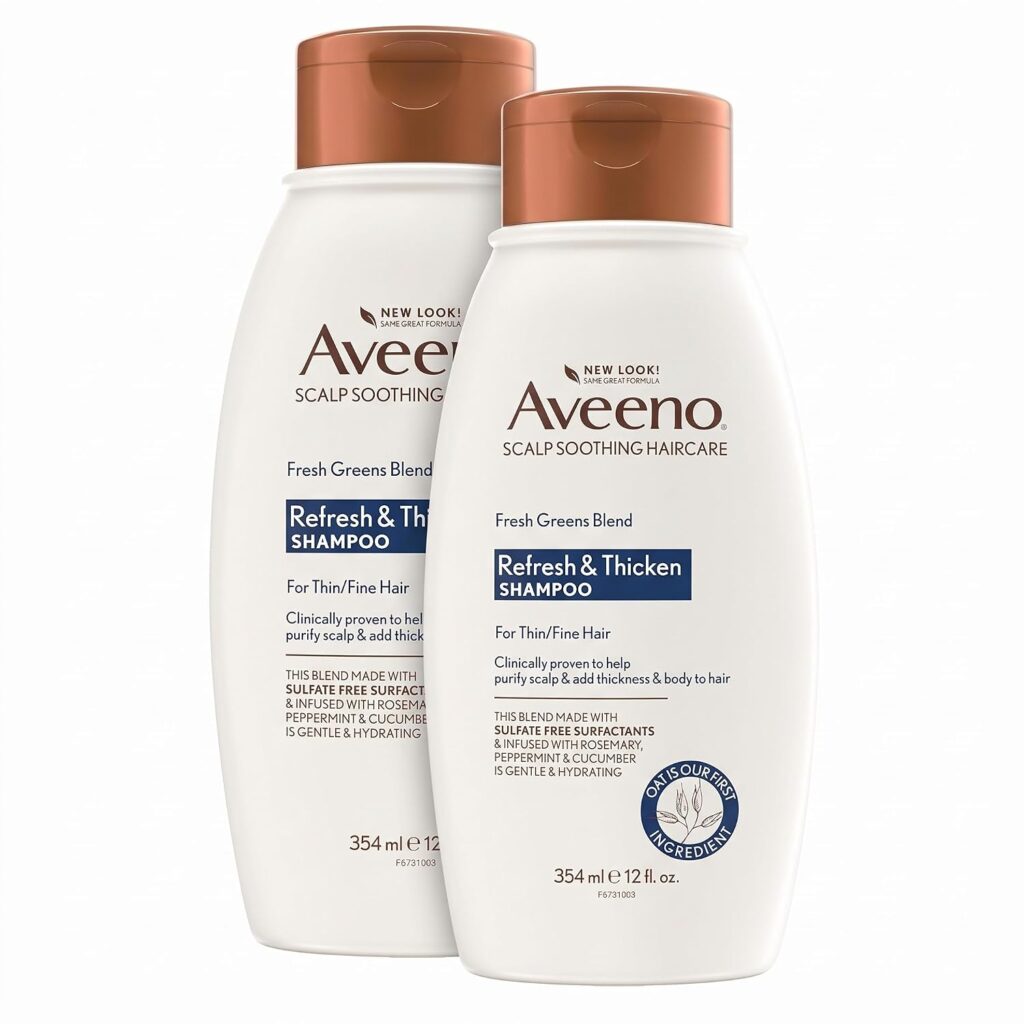
Aveeno Fresh Greens Blend Shampoo is designed to refresh the scalp and add volume to fine and medium hair.
Its fresh greens formula contains ingredients such as cucumber, rosemary and peppermint. The manufacturer describes it as a sulfate-free shampoo that helps cleanse and refresh the hair.
Key features:
- Sulfate-free formulation.
- Designed for fine to medium hair.
- Helps refresh the scalp.
- Provides lightweight cleansing.
- Supports volume and body.
If your hair is fine and easily weighed down by heavy moisturizing products, this is an option worth considering.
What to Look for When Choosing a Sulfate-Free Shampoo
Finding a good sulfate-free shampoo involves more than checking the front of the bottle. Here are five things to consider before making your choice.
1. Suitable cleansing ingredients
Although sulfate-free shampoos do not contain traditional sulfate detergents, they still need cleansing ingredients to remove dirt and oil.
Look for alternatives such as decyl glucoside, sodium lauroyl methyl isethionate and cocamidopropyl betaine. Different surfactants have different cleansing properties, so choose a formula that suits your scalp.
2. Moisturizing ingredients
If your hair is dry, look for shampoos containing moisturizing and conditioning ingredients.
Glycerin, panthenol, argan oil and aloe vera are common ingredients used in haircare products to help improve softness and manageability.
These ingredients can be particularly useful if your hair feels rough or becomes frizzy after washing.
3. Your hair type
Your hair type should influence the shampoo you choose.
If you have fine hair, a lightweight formula may work better than one containing lots of heavy oils. For thick, curly or dry hair, a moisturizing shampoo may be more suitable.
If your scalp produces excess oil, look for a formula that cleanses effectively rather than choosing a shampoo based on its moisturizing claims alone.
4. Color-safe formulation
If you dye your hair, check whether the manufacturer specifically identifies the shampoo as color-safe.
Color-treated hair often benefits from a suitable gentle cleansing routine. Using a color-safe shampoo and conditioner can help maintain the appearance of your hair color between salon visits.
5. Fragrance and scalp sensitivity
If you have a sensitive scalp, pay attention to fragrance, essential oils and preservatives.
Even shampoos labelled sulfate-free or natural can contain ingredients that irritate your skin. If a particular product causes itching, redness or discomfort, stop using it and consider seeking advice from a dermatologist.
Frequently Asked Questions
Is sulfate-free shampoo better for your hair?
Sulfate-free shampoo can be a good option if your hair becomes dry or your scalp is sensitive to certain cleansing formulas. However, sulfate-containing shampoos are not automatically harmful, and the best choice depends on your hair and scalp needs.
Does sulfate-free shampoo clean oily hair?
Yes. Sulfate-free shampoos can clean oily hair, but their effectiveness depends on the cleansing ingredients in the formula. If your scalp produces a lot of oil, choose a shampoo that offers sufficient cleansing without leaving your hair feeling uncomfortable.
Can sulfate-free shampoo cause buildup?
Yes. Buildup can occur when styling products, oils and residue accumulate on the hair. If your hair starts feeling heavy or greasy, you may need to adjust your washing routine or occasionally use a suitable clarifying shampoo.
How often should you use sulfate-free shampoo?
You can use sulfate-free shampoo according to your scalp’s needs and how frequently you wash your hair. People with oily scalps may need to wash more frequently than those with dry hair.
Is sulfate-free shampoo good for curly hair?
It can be a good option for curly hair, especially if stronger cleansing formulas leave your strands feeling dry. Choose a moisturizing formula that cleans your scalp while helping your curls remain manageable.
Conclusion
Choosing the best sulfate-free shampoo depends on your hair type, scalp needs and the results you want from your haircare routine. If your hair is dry, consider a moisturizing formula. If it is color-treated, look for a shampoo specifically labelled color-safe. For fine hair, a lightweight cleansing option may be more suitable.
Remember to check the ingredient list before purchasing and pay attention to how your hair and scalp respond after using a new product. The right shampoo should leave your hair feeling clean and comfortable without causing unnecessary dryness or irritation.


1 Comment
Great work,Suhira.I think that you have done Justice to the topic.