
What you wear to a presentation should look polished, feel comfortable, and suit the audience and setting. A client pitch, classroom presentation, conference talk, and casual team meeting may all call for slightly different outfits.
A good starting point is to choose well-fitting clothes that make you feel confident without distracting people from what you are saying. Depending on the setting, that could mean a tailored suit, blazer and trousers, a professional dress, or a smart business-casual outfit.
The key is to look prepared without feeling uncomfortable or overly dressed. Here are 11 practical tips to help you choose what to wear for your next presentation.

- What Should You Wear to a Presentation?
- Tips on How to Dress for a Presentation
- What to Wear for Different Types of Presentations
- What Should You Wear If You Don’t Know the Dress Code?
- What Should You Avoid Wearing to a Presentation?
- Why Does Your Appearance Matter During a Presentation?
- Frequently Asked Questions
What Should You Wear to a Presentation?
The best presentation outfit depends on the audience, setting, and dress code. For a formal business presentation, a suit, tailored trousers with a blazer, or a polished professional dress can work well. For a business-casual setting, try trousers or a skirt with a blouse, shirt, sweater, or blazer.
Whatever you choose, make sure it fits well, allows you to move comfortably, and does not require constant adjusting while you speak.
Tips on How to Dress for a Presentation
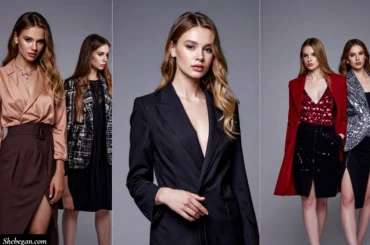
Here are some tips to show off your style while also looking professional:
1. Dress for the Audience and Setting
Start by thinking about who will be watching you and where the presentation will take place. The outfit that works for a creative team meeting may not be suitable for a client pitch or executive presentation.
If you are presenting in a formal workplace, lean toward business professional attire. If the environment is more relaxed, polished business casual may be enough. When possible, check the organization’s usual dress code before choosing your outfit.
2. Choose an Outfit That Makes You Feel Confident
Your presentation outfit should make you feel comfortable and confident rather than self-conscious.
It does not have to be expensive. A simple outfit that fits properly and feels like you can be more useful than something fashionable that you are constantly adjusting.
At the same time, make sure your outfit suits the occasion. Feeling confident is easier when you know you are appropriately dressed for the room.

3. Keep Your Outfit Polished, Not Distracting
Your clothes should complement your presentation rather than become the main thing people notice.
This does not mean you have to avoid color or personality. Instead, be intentional with bold prints, oversized accessories, very dramatic details, or anything that makes you feel distracted.
If you are unsure what to wear, simple and polished pieces are usually a safe starting point.
4. Choose Clothes That Fit Well
Avoid clothing that is so tight that it restricts your movement or so loose that you have to keep adjusting it.
A good presentation outfit should let you stand, walk, sit, gesture, and move around comfortably. This is particularly important if you will be presenting on a stage or moving between a screen and your audience.
Try on the complete outfit before presentation day so you know how it feels when you move.
5. Wear Colors That Suit the Setting
Neutral and darker colors such as navy, black, gray, and other understated shades can work particularly well for formal professional settings. They are also easy to coordinate with shirts, blouses, shoes, and accessories.
However, you do not have to avoid color completely. A subtle print, colored blouse, or tasteful accessory can work well in a less formal or more creative environment.
The goal is to choose colors that fit the setting without making your outfit more noticeable than your presentation.
6. Add a Blazer or Another Structured Layer
A blazer can make a simple outfit look more polished and gives you an easy way to adjust your level of formality.
For example, you could pair a blazer with tailored trousers, a skirt, a professional dress, or another simple outfit. A cardigan can also work in a more relaxed setting.
Layers are especially useful when the room temperature is unpredictable.

7. Choose Comfortable Shoes
Your shoes should be appropriate for the setting and comfortable enough for you to move around confidently.
If you will be standing for a long time, walking across a stage, or using stairs, consider this before choosing your footwear. There is little benefit in wearing a pair of shoes that looks great but makes you worry about every step.
Polished flats, loafers, low heels, dress shoes, or other professional footwear can all work depending on the outfit and dress code.
8. Keep Accessories Simple
Accessories can add personality to a presentation outfit, but they should not compete with your message.
Choose pieces that work with the rest of your outfit rather than piling on several attention-grabbing accessories at once. Also consider whether jewelry, bags, watches, or other accessories could become distracting when you move or gesture.
If an accessory makes noise or needs constant adjustment, it may be better to leave it at home.

9. Make Sure Your Clothes Are Clean and Wrinkle-Free
Even a simple outfit can look professional when it is clean, neat, and well maintained.
Before leaving for your presentation, check for wrinkles, loose threads, missing buttons, lint, stains, and damaged shoes. Remove tags from new clothes and make sure everything fits properly.
It is also a good idea to wear the outfit before presentation day rather than trying a completely new combination for the first time when you are already nervous.
10. Match the Dress Code
Presentation attire generally falls somewhere between business casual and business professional, but the appropriate level depends on the situation.
For business casual, tailored trousers, a skirt, a professional dress, blouse, shirt, sweater, or blazer can work.
For business professional or formal settings, a matching suit, tailored pantsuit, skirt suit, or polished professional dress with appropriate shoes may be more suitable.
When you are unsure, check the workplace or event dress code rather than assuming every presentation requires a suit.

11. Test Your Outfit Before Presentation Day
Do not wait until you are standing in front of an audience to discover that your shoes hurt, your blouse keeps opening, your trousers restrict movement, or your blazer feels uncomfortable.
Wear the complete outfit beforehand and move around in it. Sit down, stand up, walk, raise your arms, and practice part of your presentation.
This simple check can help you feel more prepared and prevent clothing problems from becoming a distraction.
What to Wear for Different Types of Presentations
1. Work or Client Presentation
For a work or client presentation, polished business casual or business professional attire is usually a good starting point.
Try tailored trousers with a blouse or shirt, a professional dress, or a blazer with coordinated separates. For an important client meeting or more conservative workplace, you can move toward a suit or matching professional separates.
2. Business Formal Presentation
A business formal presentation calls for a more structured and polished outfit. A matching pantsuit or skirt suit, tailored professional dress with a blazer, or another outfit that clearly fits the organization’s dress code can work well.
Neutral and darker colors are common choices in formal professional settings, although the exact expectations vary by workplace and industry.
3. Academic or School Presentation
A school or university presentation does not always require a suit. A neat blouse or shirt with trousers, a simple professional dress, or polished business-casual separates may be enough.
Consider your course, lecturer, audience, and the type of presentation before deciding how formal to go.
5. Creative or Casual Presentation
A creative workplace or informal presentation may give you more freedom with color, prints, accessories, and personal style.
You can show more personality while still keeping the outfit neat and appropriate for the audience.

6. Virtual Presentation
For a virtual presentation, choose clothing that looks polished on camera and does not require frequent adjusting.
Think about your background, lighting, and how the colors or patterns of your outfit appear on screen. A simple top or blouse with clean lines can work well, especially when the camera only shows your upper body.
What Should You Wear If You Don’t Know the Dress Code?
If you do not know the dress code, research the organization, event, venue, or people you will be presenting to. Looking at the organization’s website or social media can sometimes give you an idea of its professional culture.
When you are still unsure, choose something polished that is slightly more formal than what you would normally wear on an ordinary day.
A blazer, tailored trousers, professional dress, or another neat business-casual outfit can give you room to adjust without looking significantly overdressed.
What Should You Avoid Wearing to a Presentation?
Avoid anything that makes you uncomfortable or requires constant adjustment. Clothes that are extremely tight, excessively loose, heavily wrinkled, damaged, or unsuitable for the setting can become distractions during your presentation.
It is also worth avoiding anything that you have never worn before if you will be presenting soon. Give yourself enough time to test the outfit and make changes if something does not work.
Why Does Your Appearance Matter During a Presentation?

Your appearance can influence the first impression you make, so your clothes should support the professional image you want to communicate.
This does not mean that an expensive outfit will make a presentation successful. Your preparation, knowledge, communication, and delivery still matter most. However, wearing something appropriate for the setting can help you feel prepared and show that you have taken the occasion seriously.
The best presentation outfit is therefore one that looks appropriate without taking attention away from what you are saying.
Frequently Asked Questions
What Is the Best Outfit to Wear for a Presentation?
The best presentation outfit is one that fits the setting, audience, and dress code while keeping you comfortable. For formal settings, a suit, tailored separates, or a professional dress can work. For business-casual settings, trousers, a blouse or shirt, a skirt, dress, or blazer can be appropriate.
What Should a Woman Wear to a Presentation?
A woman can wear a professional dress, tailored trousers with a blouse or shirt, a skirt with a polished top, or a pantsuit. The best choice depends on how formal the presentation is and what is considered appropriate in that workplace or setting.
Should I Wear a Suit to a Presentation?
A suit is a good choice when the presentation calls for business professional or formal attire. This can include some client presentations, executive meetings, interviews, and conservative professional settings. In a business-casual environment, a blazer with coordinated trousers or a skirt may be enough.
What Colors Are Best for a Presentation?
Neutral and darker colors can be a safe choice for formal presentations because they create a polished, understated appearance. However, you do not have to wear only black, navy, or gray. Color can work well when it suits the setting and does not distract from your presentation.
Is Business Casual Appropriate for a Presentation?
Yes, business casual can be appropriate for many workplace presentations. Trousers, a blouse or button-down shirt, a skirt, professional dress, or blazer can create a polished business-casual look. Always consider the workplace culture and audience before choosing your outfit.
What Should I Wear If I Don’t Know the Dress Code?
Research the organization or event first. If you still cannot determine the dress code, choose a polished outfit that is slightly more formal than your everyday clothing. A blazer, tailored trousers, professional dress, or another smart business-casual outfit is a practical starting point.
Can You Wear Jeans to a Presentation?
Jeans can work for a casual or creative presentation if they are clean, well-fitting, and appropriate for the setting. They are generally less suitable for formal business presentations, interviews, or conservative professional environments.
Should You Dress More Formally When Presenting?
You should dress according to the audience and setting rather than automatically choosing the most formal outfit possible. If the environment is casual, polished business casual may be enough. If you are presenting to senior executives or clients in a formal setting, more professional attire may be appropriate.
Conclusion
Choosing what to wear for a presentation does not have to be complicated. Start with the audience, setting, and dress code, then choose clothes that fit well, look polished, and allow you to move comfortably.
A good presentation outfit should help you feel prepared without becoming the focus of the room. When you are comfortable in what you are wearing, you can put more attention into your presentation and the message you want your audience to remember.