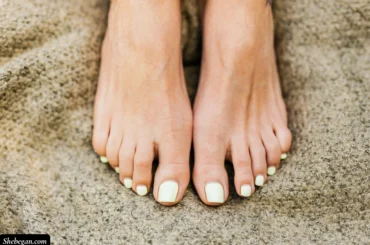

As we grow older, a lot of changes happen to our bodies, thereby giving us a different look. The feet are a part of the body that undergoes these changes as we grow older; this has made aged people’s toenails look weird, but to fix issues like this, a lot of people have raised questions like, Can elderly people get pedicures?
Yes, you can always give a pedicure treat to your elderly people to maintain foot health and overall well-being.
Getting pedicure treatment for seniors is not a luxury for many elderly clients. It’s a necessity and indeed beneficial to them as the treatment is a good way of exposing any foot ailment. In this post, I will discuss the benefits, what to watch out for, and other relevant tips embedded in pedicures for seniors.
10 Benefits Of Pedicures for Elderly People
Pedicures can be particularly beneficial for seniors as they offer various advantages for elderly individuals beyond just cosmetic improvements. They can address specific foot and nail care needs that become more critical with age. Here are some key benefits of pedicures for elderly people:
1. Foot health maintenance
As people age, they may experience various foot issues, such as calluses, corns, dry skin, and toenail problems. Pedicures can help address these concerns by effectively reducing and managing calluses and corns on the feet, providing relief from discomfort.
You can achieve this by safely trimming and shaping toenails to prevent ingrown toenails, which can be especially problematic for seniors. And also using exfoliating scrubs and treatments to remove dry and dead skin, leaving the feet smoother and healthier.
2. Improved circulation
Another benefit of getting a pedicure for elders is the massage component of a pedicure which can promote better blood circulation in the feet and lower legs, which can be especially beneficial for seniors with circulation problems.
3. Feet moisturization
Many pedicure treatments include moisturizing the feet and lower legs, which can help combat dry skin and maintain skin health, which can be particularly beneficial for seniors with dry skin.
4. Proper nail care
Care for the nail is another advantage pedicure gives to a senior. Pedicure ensures thorough cleaning of the feet and nails, reducing the risk of fungal or bacterial infections. This is a result of trained nail technicians safely trimming and shaping toenails, reducing the risk of ingrown toenails or nail-related discomfort.
5. Relaxation and stress reduction
The massage and pampering experience of a pedicure can be relaxing and enjoyable, which is beneficial for anyone and provides seniors with a sense of pampering and self-care. It also contributes to a positive mental state, reducing stress and promoting a sense of well-being.
6. Social interaction
Most elderly people are usually indoors most of the time with little or no interaction with others. Therefore, going for a pedicure can be a social activity that provides an opportunity for elderly individuals to socialize and spend quality time with friends, family, or peers while receiving treatment.
7. Improved self-esteem
Another good thing about pedicures for the elderly is that they improve their self-esteem. Well-groomed feet and nails can boost self-esteem and confidence, which is essential for mental and emotional well-being.
8. Early detection of foot issues
During a pedicure, a trained technician may notice potential foot problems or abnormalities that the individual might not have noticed. Early detection can lead to timely intervention and treatment.
9. Pain relief
Body pain is a common occurrence among the elders, which makes the massage and soothing techniques used during a pedicure a source of relief for individuals and seniors with sore or achy feet.
10. Customized care
Pedicure treatments can be customized to address specific concerns or conditions, ensuring that the care provided is tailored to the individual’s needs.
Medical View About Elderly People Getting Pedicure
Based on the findings from my research, pedicure is not entirely a luxury activity but an essential part of their daily care from a medical point of view. Most of these elders have difficulties bending and seeing, so caring for their feet and toenails may be an impossible task which makes pedicure a must for them.
Moreover, doctors encourage older people to get medical pedicures as they believe that seniors need pedicure treatment from nail technicians or podiatrists with special knowledge, skill, and the ability to look beyond infirmity.
A lot of aged people have one aliment or medical condition like diabetes, cancer, autoimmune disease, etc., and their foot hygiene may be a trigger to this painful condition, making it necessary to get a medical pedicure elder from an institution or professional licensed to do that medically to avoid further dangerous to their overall health.
How To Give An Elderly Person A Safe Pedicure
Giving an elderly person a safe pedicure requires careful attention to their unique needs and considerations. Before starting the pedicure, ask the elderly person about any health conditions, allergies, or medications they are taking.
If they have diabetes, neuropathy, circulatory issues, or other medical concerns, consult their healthcare provider to ensure it is safe to proceed. Here’s a step-by-step guide to providing a safe pedicure for an elderly individual when you need to do it;
Step 1: Soak feet in warm water
Fill a foot bath with warm, tepid water using a pH-balanced hydrating foot soak, not hot water, and a gentle soap. Soak the elderly person’s feet for about 5 minutes to soften the nails and skin. Ensure the water level is comfortable and not too deep to avoid spills.
Step 2: Clean the feet
Use a soft cloth or a soft-bristle brush to clean the feet, including between the toes, without causing any irritation or injury. Pat the feet dry with a soft towel.
Step 3: Trim toenails
Trim the toenails straight across to prevent ingrown toenails. Use a gentle nail file to smooth any rough edges. Avoid cutting the nails too short, as this can increase the risk of injury or infection.
Step 4: Smoothen calluses and dry skin
Gently use a pumice stone or a foot file to reduce calluses and smooth dry skin. Be cautious not to apply too much pressure, especially on fragile skin.
Step 5: Apply moisturizer
Apply a non-occlusive moisturizer lotion to the feet and lower legs, massaging it in gently. This helps maintain skin hydration.
Step 6: Use buffer on the nails
Avoid cutting the cuticles, as this can lead to infection. Instead, gently push back the cuticles with a cuticle pusher.
Step 7: Massage feet gently
Massage the foot and leg without applying any deep pressure. Use a light touch to effleurage up the leg towards the knee. Advise the elderly person to wear comfortable and supportive footwear that fits well and promotes foot health.
Precautions For Elderly People During Pedicure Session
While pedicures can be highly beneficial for elderly individuals, during a pedicure session, it’s essential to be attentive to their specific needs and potential risks associated with their age and health. Here are important things to watch out for during an elderly people’s pedicure session:
1. Assess the elderly person’s foot health
Before beginning the pedicure, assess the elderly person’s foot health. Look for signs of any existing issues, such as cuts, sores, bunions, calluses, corns, fungal infections, or circulatory problems. If you notice any concerning conditions, consult a healthcare provider before proceeding.
2. Inquire about the general health status of the elder
Inquire about allergies or sensitivities to nail products, including nail polish and nail polish removers. Use hypoallergenic or gentle products if necessary.
Pay special attention to elderly individuals with diabetes or circulatory problems, as they are at higher risk of foot complications. Ensure that nail trimming is done carefully to prevent injury, and avoid cutting cuticles to prevent infection.
3. Ensure they are comfortable
Ensure that the elderly person is comfortable throughout the session. Provide support, such as a stable chair with armrests or a cushion under their feet.
4. Use warm water
The water used for soaking should be comfortably warm, not hot. Elderly individuals may have reduced sensitivity to temperature changes, so ensure they are not exposed to excessively hot water.
5. Be gentle and use sanitized tools
Be gentle when cleaning, exfoliating, or massaging the feet. Elderly skin can be more delicate, and excessive pressure can cause discomfort or skin irritation.
Ensure that all tools and equipment used are properly sanitized to prevent the spread of infections. Dispose of disposable items after use.
6. Use safe products
If nail polish is applied, do so with care to avoid staining the skin or cuticles. Use non-acetone nail polish remover for easy and safe removal.
Frequently Asked Questions
Are pedicures safe for the elderly?
Pedicures are more than a beauty treatment for elderly people; they are also an essential aspect of their body care. So pedicures are safe for the elderly when done the right way, and they should be done by a licensed professional or podiatrist.
How often should an elderly person get a pedicure?
For aged people, pedicures should be given between every 3-6 weeks, and you can rest assured that their feet are well taken care of and not neglected.
Should an elderly person do a DIY pedicure?
No, it is dangerous for seniors to get pedicures for themselves using the DIY method. They should be given pedicure treatment by a licensed nail professional to prevent any form of accident that could happen in the case of getting a pedicure.
Conclusion
Pedicures can offer several health benefits for elderly individuals, including foot health maintenance and early detection of foot problems.
However, a pedicure session for elderly individuals requires careful attention, gentleness, and a focus on their specific health and comfort needs. Prioritizing safety and communication will help ensure a positive and beneficial experience for them.
Also, allow adequate time for the session, as elderly individuals may need more time to relax and receive care and provide guidance on proper foot care between pedicure sessions, such as moisturizing and safe nail trimming techniques.