
I used to think solar and acrylic nails were just the same thing. Like, I honestly didn’t know there was even a difference, I thought maybe “solar” was just a fancy name salons threw in to sound extra. If you’ve ever felt the same way, you’re definitely not alone.
The main difference between solar and acrylic nails is that solar nails are actually a special type of acrylic nail, not something completely different. They’re like the premium version, stronger, glossier, and usually used for those clean, pink-and-white French tips that don’t even need polish to look good.
Meanwhile, regular acrylic nails are more common, come in all kinds of styles, and are perfect if you love switching things up with colours, nail art, and fun shapes. In this article, I will show you all of the ways they are different.
What To Know Before Choosing Solar Or Acrylic Nails
Before I tried solar nails, I didn’t even know there was anything to “choose” from. I just thought nails were nails. But knowing the little differences between solar and regular acrylics can really help you decide what fits your style and how you like to maintain your nails.
Acrylic nails are made by mixing a liquid and powder, then shaping it over your natural nails or tips. You can do any colour or design on them. Solar nails, though, are usually done with a pink-and-white powder that gives that clean French tip look without polish. They’re applied directly to your nails and look super neat.
They also need a bit more skill to apply because you’re not hiding anything under nail polish. And while solar nails are perfect if you like a classy, low-maintenance look, acrylics are great if you love changing your nail colour or trying new designs all the time.

7 Key Differences Between Solar And Acrylic Nails
1. Product type and brand
One thing that really confused me at first was the name “solar nails.” I thought it was something new or maybe gel-related. But it turns out solar nails are actually just a special type of acrylic nails made by a specific brand, Creative Nail Design (CND). So while all solar nails are technically acrylic, not all acrylic nails are solar.
Think of solar nails as the high-end, salon-grade version of acrylics. They’re often used for those really clean, pink-and-white French tips you see in photos, and salons that offer them usually highlight the fact that they’re using that specific product. So if your nail tech says they’re using solar, it just means you’re getting a certain brand and style that’s a bit more polished and premium.
2. Look and finish
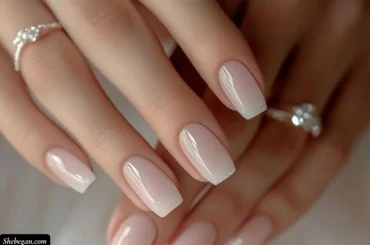
Solar nails have a very neat, glossy finish, and that’s one of the main reasons people go for them. They’re often used for the classic French manicure look with pink bases and white tips, and the finish is so shiny you don’t even need to add polish on top. It just looks effortlessly put together.
With regular acrylics, you usually go through the extra steps, apply the acrylic base, file it into shape, and then paint or decorate it however you like. While acrylics give you more room to play with colour and nail art, they don’t always look as smooth and natural as solar nails when left bare. If you like that “clean girl” aesthetic or a minimalist vibe, solar nails are perfect for that.
3. Durability and strength
Now, when it comes to strength, solar nails definitely have the upper hand. They’re known for being really durable, and they can hold up longer without lifting or chipping. They also don’t get that yellowish tint that sometimes shows up on regular acrylics, especially if you’re in the sun a lot or use tanning beds.
Acrylic nails are still strong, don’t get me wrong, but they can lift sooner if you’re someone who uses your hands a lot, like washing dishes often or typing all day. I’ve had acrylics that started popping off after two weeks, while my solar set looked fresh for almost a month. The difference in durability really shows up if you want something low-maintenance that lasts.
4. Application method
Both types of nails use a mix of liquid and powder, but the way they’re applied is a little different. With acrylics, the nail tech usually adds tips to extend the length of your nails, then applies the mixture over those tips or directly on your natural nails. After that, they shape and file everything down, then add polish or nail art.
Solar nails skip the whole polish part if you’re going for the French tip look. The pink and white powder is applied straight to your natural nails in a way that creates that perfect gradient from base to tip. It’s faster if you’re keeping it simple, and there’s no drying time needed for polish since the design is already built into the powder.
5. Cost differences
Let’s talk money because this one matters. Regular acrylic nails are usually cheaper; you can get a full set for around $30 to $60, depending on where you go and the style you want. Solar nails, on the other hand, cost more. You’re looking at anywhere from $70 to $120, especially if the salon is using premium products or the technician is very experienced.
That price also goes up if you’re doing extra-long nails or combining solar with nail art or embellishments. The price difference makes sense when you realise solar nails need more skill to apply and usually last longer, but it’s definitely something to think about if you’re on a budget.
6. Maintenance and refill schedule
Both types of nails need regular maintenance to stay looking good. Usually, you’ll need a refill every 2 to 3 weeks as your natural nails grow out. But I’ve noticed that solar nails tend to stay neater for longer. They hold their shape really well and don’t lift as easily. If your nail tech applies them properly, you can sometimes go close to four weeks before needing a touch-up.
Acrylics, especially with polish or designs, might start lifting or chipping sooner, which means more frequent salon visits. So if you’re someone who doesn’t like going back and forth to the nail salon all the time, solar nails might be a better option for you in the long run.
7. Removal process
Both solar and acrylic nails need proper removal. You can’t (and shouldn’t) rip them off at home because you’ll end up damaging your natural nails underneath. The best way is to soak them in acetone or get them gently filed down by a pro.
But here’s the thing, solar nails are stronger, so they usually take a little longer to remove. It’s not a huge deal, but it’s something to keep in mind if you’re someone who likes to switch your nails often or wants something easy to take off. Either way, never try to force them off. Trust me, I’ve done that before, and I regretted it for weeks.

Choosing What Works For You
At the end of the day, both solar and acrylic nails have their good sides. If you’re someone who loves that clean, polished French tip look and you want something that lasts a little longer, solar nails are worth trying, even if they cost a bit more. But if you like switching things up often, playing with colours and designs, and you want something more budget-friendly, acrylics might be more your thing.