

Dry skin can feel rough, tight, flaky, itchy, or simply uncomfortable. And when your face feels dry, it can be difficult to get your makeup or skincare routine to look the way you want.
This is where a good face mask can be a nice addition to your routine. You don’t necessarily need a complicated collection of skincare products to give your skin a little extra moisture. Some simple ingredients can be used to make a soothing DIY face mask at home.
That said, homemade does not automatically mean gentle or suitable for every skin type. Some kitchen ingredients can irritate dry or sensitive skin, so it’s important to choose your ingredients carefully and stop using a mask if your skin burns, stings, or becomes irritated.
Here are six simple homemade face mask ideas for dry skin, along with a few important tips to help you use them safely.
- 6 DIY Homemade Face Mask for Dry Skin
- Which Homemade Face Mask Is Best for Dry Skin?
- What Face Mask Is Best for Very Dry Skin?
- How Do You Make a Hydrating Face Mask at Home?
- What Are the Best Three-Ingredient Face Masks for Dry Skin?
- Should You Put Lemon Juice on Dry Skin?
- Are Epsom Salt Face Masks Good for Dry Skin?
- How Often Should You Use a Homemade Face Mask for Dry Skin?
- How to Use a Homemade Face Mask Safely
- What Ingredients Should You Avoid on Dry or Sensitive Skin?
- When Should You See a Dermatologist About Dry Skin?
- Frequently Asked Questions
- Final Thoughts
6 DIY Homemade Face Mask for Dry Skin

Before trying any homemade mask, remember that dry skin usually benefits from gentle, moisturizing care rather than aggressive exfoliation. Dermatologists commonly recommend ingredients such as colloidal oatmeal, glycerin, hyaluronic acid, and ceramides for dry or sensitive skin.
With that in mind, here are some DIY combinations you can try.
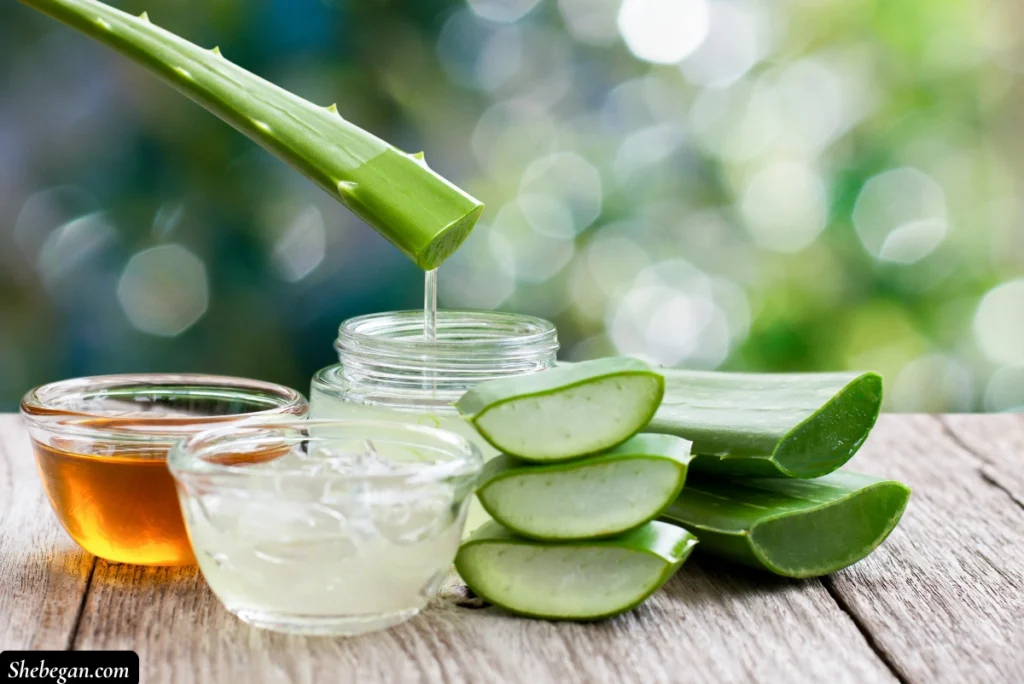
1. Yogurt, Honey and Aloe Vera Mask
This is one of the simpler combinations if your main goal is to give dry skin a little extra moisture.
You will need:
- 1 teaspoon plain yogurt
- 1 teaspoon honey
- 1 teaspoon aloe vera gel
Mix the ingredients in a clean bowl until you have an even mixture. Apply a thin layer to clean skin and leave it on for about 10 to 15 minutes. Rinse gently with lukewarm water and follow with your usual moisturizer.
Yogurt contains lactic acid, while aloe vera is commonly used in soothing skincare products. Honey can also add a moisturizing feel to a homemade mask.
However, don’t assume that every ingredient labeled “natural” will agree with your skin. If you have sensitive skin, patch-test the mixture first.
2. Avocado and Honey Face Mask
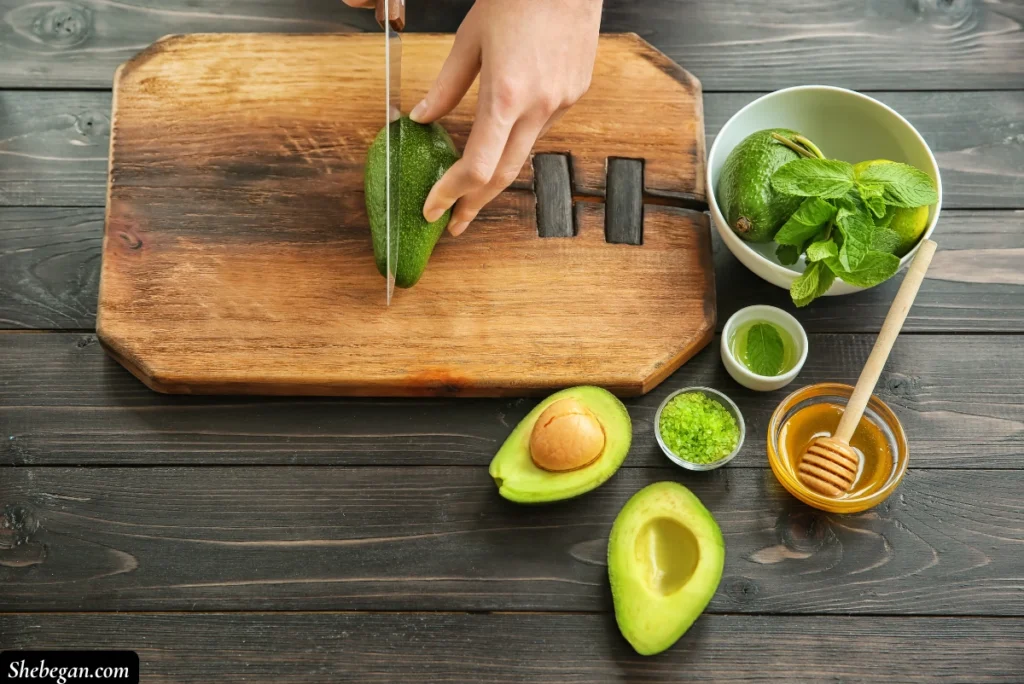
Avocado is a popular ingredient in homemade skincare because of its creamy texture and naturally occurring fats.
For this mask, you will need:
- 1/2 ripe avocado
- 1 teaspoon honey
Mash the avocado until it is as smooth as possible, then mix in the honey. Apply the mixture to clean skin and leave it on for about 10 to 15 minutes.
Rinse gently with lukewarm water and apply a fragrance-free moisturizer afterward.
This is a particularly easy option when you want a rich-feeling mask without a long list of ingredients.
3. Oatmeal and Yogurt Face Mask
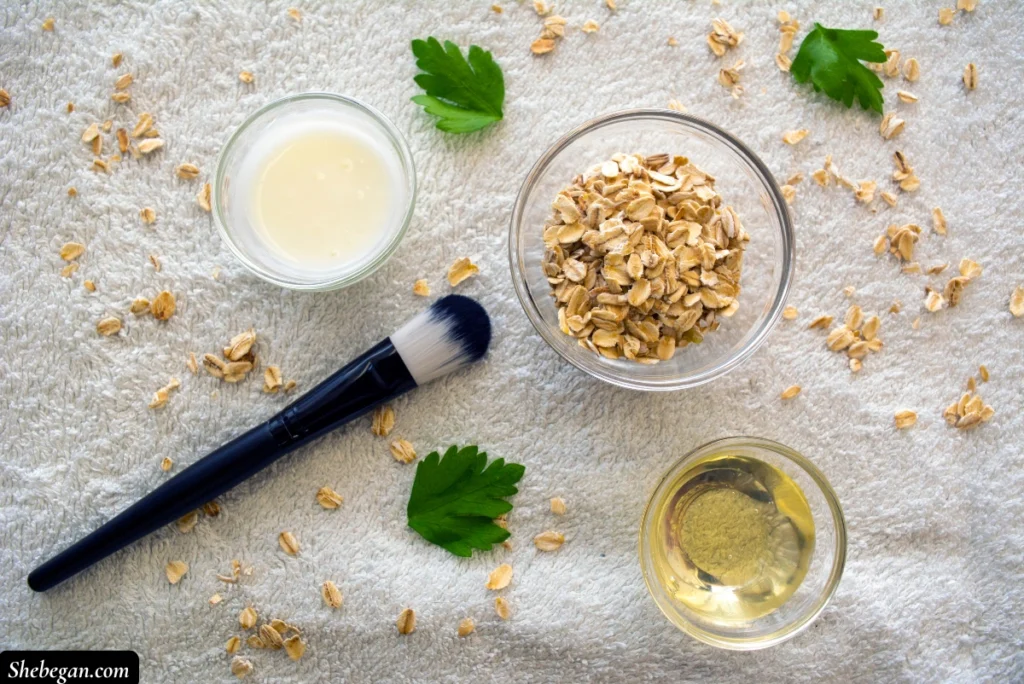
Oatmeal can be a useful ingredient for dry, irritated-feeling skin. In fact, the American Academy of Dermatology lists colloidal oatmeal among ingredients that can soothe irritated dry or sensitive skin.
For a simple homemade version, use:
- 1 tablespoon finely ground plain oatmeal
- 1 tablespoon plain yogurt
- A small amount of water if needed
Mix everything into a soft paste. If the mixture feels too thick, add a little water rather than making it runny.
Apply it gently to your face and leave it on for about 10 minutes. Rinse with lukewarm water and moisturize afterward.
Do not scrub the oatmeal into your face. Dry skin can be easily irritated, and aggressive physical exfoliation can make the problem worse.
4. Aloe Vera and Oatmeal Mask
If your skin feels dry and uncomfortable, you may prefer a very simple mask rather than one containing several ingredients.
Try:
- 1 tablespoon pure aloe vera gel
- 1 tablespoon finely ground plain oatmeal
Mix them together and apply a thin layer to clean skin. Leave it on for about 10 to 15 minutes before gently rinsing.
This combination keeps things simple while incorporating oatmeal, an ingredient dermatologists recognize as potentially soothing for dry or sensitive skin.
If you use packaged aloe vera gel, check the ingredient list and avoid products containing fragrance or other ingredients that you already know irritate your skin.
5. Honey and Oatmeal Face Mask
Honey and oatmeal make another easy combination for a dry-skin routine.
You will need:
- 1 tablespoon finely ground oatmeal
- 1 teaspoon honey
- A little lukewarm water
Mix the ingredients until they form a soft paste. Apply it gently to your face and leave it on for about 10 minutes.
When you’re ready to remove it, rinse gently with lukewarm water. Don’t rub or scrub the mask away.
Finish with a fragrance-free moisturizer while your skin is still slightly damp. Dermatologists recommend moisturizing after washing because this helps trap water in the skin.
6. Avocado, Oatmeal and Honey Mask
If you want something a little richer, combine three simple ingredients:
- 1/2 ripe avocado
- 1 tablespoon finely ground oatmeal
- 1 teaspoon honey
Mash the avocado until smooth, then mix in the oatmeal and honey. Apply a thin layer to clean skin and leave it on for about 10 to 15 minutes.
Rinse gently with lukewarm water and follow with moisturizer.
This mask combines several ingredients commonly used in moisturizing or soothing skincare, but that doesn’t mean it will work for everyone. Your skin type and sensitivity still matter.
Which Homemade Face Mask Is Best for Dry Skin?
There isn’t one homemade face mask that is automatically best for everyone with dry skin. A simple oatmeal-based mask can be a reasonable option if your skin tolerates the ingredients, while avocado, honey, yogurt, or aloe vera can be used in different combinations.
For dry or sensitive skin, the bigger priority is keeping your routine gentle and moisturizing. Dermatologists recommend fragrance-free products and generally favor creams or ointments over lighter lotions when treating very dry skin.
So, think of a homemade mask as an optional extra rather than the main treatment for persistent dryness.
What Face Mask Is Best for Very Dry Skin?
For very dry skin, a gentle, moisturizing mask is preferable to a harsh scrub or strong exfoliating treatment.
An oatmeal-based mask is one option because colloidal oatmeal is recognized by dermatologists as an ingredient that can soothe irritated skin. However, if your skin is severely dry, cracked, painful, or persistently irritated, a homemade mask may not be enough.
In that situation, focus on a gentle, fragrance-free moisturizer and consider speaking with a dermatologist if the problem continues.
How Do You Make a Hydrating Face Mask at Home?
One simple option is to combine plain yogurt, honey, and aloe vera.
Use approximately:
- 1 teaspoon plain yogurt
- 1 teaspoon honey
- 1 teaspoon aloe vera gel
Mix the ingredients, apply a thin layer to clean skin, and leave it on for about 10 to 15 minutes. Rinse with lukewarm water and moisturize afterward.
Keep the application gentle. You don’t need to massage or scrub the mask into your face to make it work.
What Are the Best Three-Ingredient Face Masks for Dry Skin?
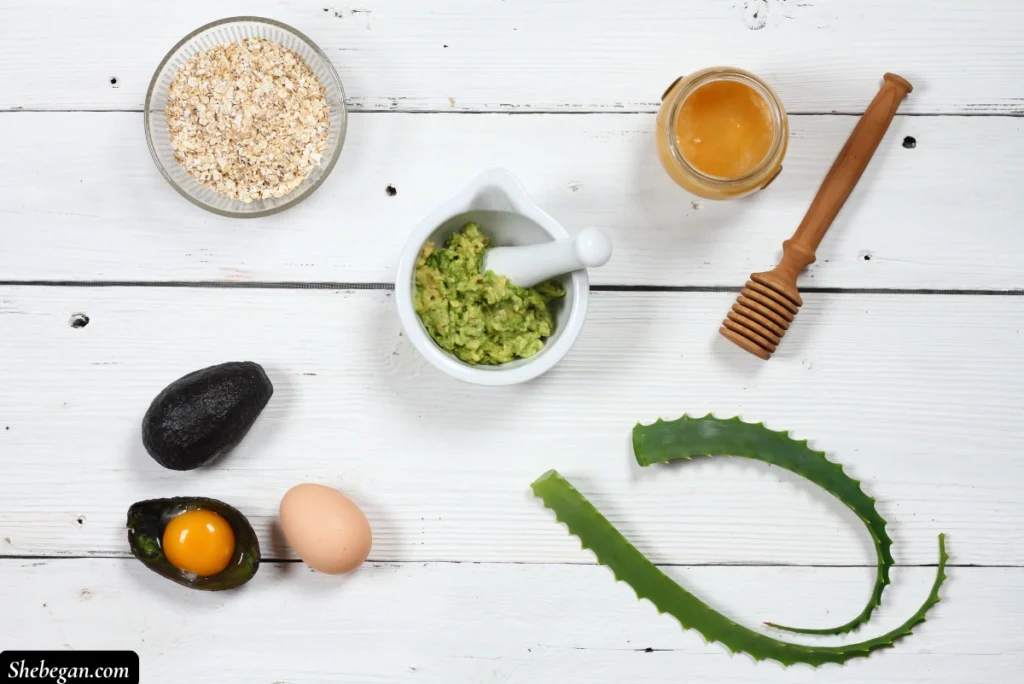
A simple three-ingredient combination is avocado, honey, and finely ground oatmeal.
Mash half an avocado, then mix it with 1 teaspoon of honey and 1 tablespoon of finely ground oatmeal. Apply it to clean skin for about 10 to 15 minutes, rinse gently, and moisturize afterward.
Another option is yogurt, honey, and aloe vera if you prefer a lighter-feeling mixture.
The best choice is the one your skin tolerates well. If an ingredient causes burning, stinging, redness, or itching, wash it off and don’t use it again.
Should You Put Lemon Juice on Dry Skin?
I would skip lemon juice, especially if your skin is already dry or sensitive.
Lemon juice is acidic and can irritate facial skin, while physical scrubbing can further irritate dry skin. Cleveland Clinic specifically advises avoiding acidic ingredients such as lemon and lime juice in homemade face masks.
If your goal is to remove dry, flaky skin, resist the temptation to scrub harder. Gentle cleansing and regular moisturizing are usually a better starting point.
Are Epsom Salt Face Masks Good for Dry Skin?
Epsom salt is not my first choice for a homemade face mask for dry skin.
Dry skin generally calls for gentle, moisturizing care rather than an unnecessary salt-based treatment. If your skin is already dry or irritated, adding ingredients that can make the skin feel stripped or uncomfortable is not the direction you want to take.
Instead, choose a simpler mask containing ingredients your skin already tolerates well, then follow it with a fragrance-free moisturizer.
How Often Should You Use a Homemade Face Mask for Dry Skin?
There is no universal schedule for homemade face masks. Start conservatively rather than using a mask every day.
If your skin feels comfortable after using a particular mask, you can occasionally include it in your skincare routine. But if the mask leaves your face feeling tight, burning, itchy, red, or more irritated, stop using it.
This is especially important with exfoliating ingredients. Over-exfoliating can cause redness and irritation, and dry or sensitive skin may be more easily irritated by mechanical exfoliation.
How to Use a Homemade Face Mask Safely
Before putting a kitchen ingredient all over your face, test it first.
Apply a small amount to a less noticeable area of skin and see how your skin reacts. Cleveland Clinic recommends testing homemade masks on a small area before applying them more widely.
You should also keep the following in mind:
- Use clean bowls, spoons, and hands when preparing your mask.
- Avoid applying a homemade mask to broken, sunburned, or severely irritated skin.
- Keep the mixture away from your eyes and lips unless the ingredients are specifically intended for those areas.
- Do not scrub your face aggressively when removing the mask.
- Rinse with lukewarm rather than hot water.
- Apply moisturizer afterward.
And if a mask starts burning or stinging, don’t try to “wait it out.” Wash it off.
What Ingredients Should You Avoid on Dry or Sensitive Skin?
Some popular DIY skincare ingredients are better left out of a dry-skin face mask.
Lemon juice and lime juice are examples, their acidity can irritate the skin.
You should also be cautious with fragrance, essential oils, rubbing alcohol, and rough physical exfoliants. The American Academy of Dermatology specifically warns that fragrance and essential oils can irritate some skin, while rough physical exfoliants can cause small tears in the skin.
And remember, “natural” doesn’t automatically mean “safe for everyone.” Your skin can react to natural ingredients too.
When Should You See a Dermatologist About Dry Skin?
If your dry skin continues despite making gentle skincare changes, it is worth speaking with a dermatologist.
You should be particularly cautious if your skin becomes very painful, cracked, bleeding, persistently itchy, or irritated, or if the dryness keeps getting worse. Persistent or severe dryness can sometimes be related to an underlying skin condition or another cause that a homemade mask won’t address.
A DIY face mask can be a fun addition to your skincare routine, but it shouldn’t replace appropriate care when your skin needs more attention.
Frequently Asked Questions
What Is the Best Homemade Face Mask for Dry Skin?
A gentle oatmeal-based mask is one option for dry or sensitive skin because colloidal oatmeal is recognized as a soothing skincare ingredient. You can also try simple combinations containing ingredients such as avocado, honey, yogurt, or aloe vera if your skin tolerates them.
What Can I Mix With Honey for Dry Skin?
You can mix honey with ingredients such as plain yogurt, finely ground oatmeal, aloe vera, or mashed avocado. Keep the mixture simple and stop using it if your skin becomes irritated.
Is Avocado Good for a Homemade Face Mask?
Avocado can be used in a homemade face mask because its creamy texture makes it easy to combine with other ingredients. Try mixing mashed avocado with a small amount of honey or finely ground oatmeal.
Is Yogurt Good for Dry Skin?
Plain yogurt can be included in some homemade face masks. It contains lactic acid, which can exfoliate the skin, so people with sensitive or very dry skin should avoid aggressive or frequent use and stop if irritation occurs.
Can I Use an Oatmeal Face Mask for Dry Skin?
Yes. Oatmeal is one of the more suitable ingredients to consider for dry or sensitive skin. The American Academy of Dermatology lists colloidal oatmeal among ingredients that can soothe irritated skin.
Is Lemon Juice Good for Dry Skin?
Lemon juice is not recommended as a DIY treatment for dry facial skin. It is acidic and can cause irritation, and Cleveland Clinic advises avoiding lemon and lime juice in homemade face masks.
Can I Use a Homemade Face Mask Every Day?
It is better not to assume that a homemade face mask should be used every day. How often you use one depends on the ingredients and how your skin reacts. Exfoliating masks in particular can cause irritation when used too often.
Should I Moisturize After a Face Mask?
Yes. After rinsing a face mask, gently pat your skin dry and apply a moisturizer. Dermatologists recommend moisturizing dry skin while it is still slightly damp to help retain moisture.
Final Thoughts
Homemade face masks can be a fun way to give your skincare routine a little something extra, especially when you want to keep things simple.
But dry skin doesn’t necessarily need more ingredients. It usually needs gentler care and consistent moisture. So, instead of reaching for every kitchen ingredient you can find, keep your mask simple and pay attention to how your skin responds.
Oatmeal, avocado, honey, yogurt, and aloe vera can all be useful ingredients to experiment with if your skin tolerates them. Just remember that homemade doesn’t automatically mean harmless.
And if your skin keeps feeling painfully dry, itchy, cracked, or irritated, don’t keep adding DIY masks to the problem. Sometimes your skin is simply asking for a little more care than a homemade recipe can provide.