

Lip gloss is a cosmetic product that has been around for decades. I can remember wearing lip gloss in elementary school. And with such popularity comes the chance to try out several options. Many stores also allow you to try out lip gloss products before paying for them.
However, a more recent debate has been around the safety and hygiene surrounding the use of lip gloss. Many argue that the product is a potential source for spreading infections and diseases, while others say it doesn’t. This raises the question: does lip gloss cause outbreaks?
Yes, lip gloss can lead to outbreaks, but only if it gets contaminated. For most people, lip gloss won’t cause cold sores or worsen them. However, for others, it can be a way of introducing the causative agents into their system. If you’re prone to getting cold sores and flare-ups after using lip gloss regularly, then it’s worth considering changing your routine.
ALSO READ: Is Lip Gloss Makeup? (Answered)
What Outbreaks Can I Get From Lip Gloss?
When it comes to possible outbreaks you can get from using lip gloss, the list is nearly endless. Many contaminants survive for a considerable amount of time outside a human host and can find their way into your system. Here are a few you should be mindful of:
1. Cold sores and fever blisters
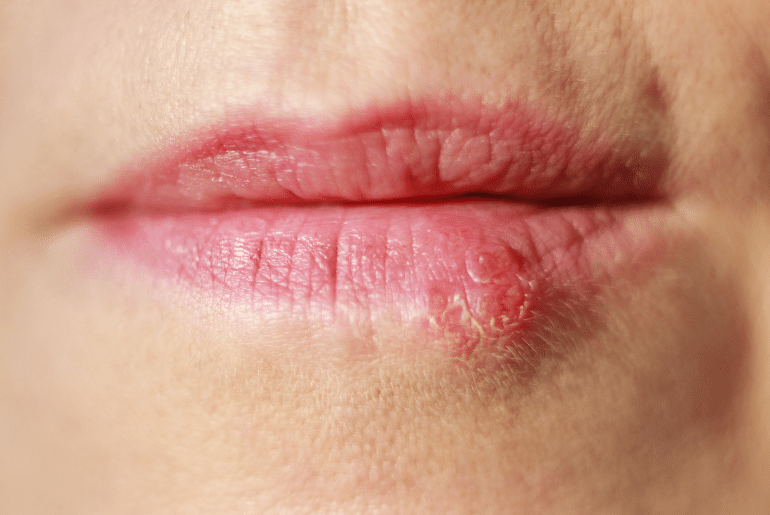
When you get a cold sore or fever blister, the pathogen is present in your saliva, which can be transmitted by touching your lip gloss. Also, if you sneeze while using your lip gloss, you can also transfer cold pathogens into your lip gloss.
2. Fungal infections
Some fungal or yeast infections like thrush and candidiasis can also spread via lip gloss. Thrush is caused by Candida albicans fungus, which causes white patches on your tongue and inside your mouth. If this fungus gets into your bloodstream, it could cause severe illness for people whose immune systems are compromised by other medical treatments.
3. Oral herpes
You may also get an oral herpes infection from sharing lip gloss, food, or beverages with someone with an active oral herpes lesion. If a person has an outbreak of cold sores and touches their lips frequently and then uses their finger to apply lipstick or lip gloss, they can quickly transfer the virus from one place to another.
Herpes simplex virus 1 (HSV-1) is the most common cause of oral herpes but can also cause genital herpes. The virus is spread through direct contact with an active lesion or body fluids from someone who has HSV-1 infection.
How Long Can the Herpes Virus Live on Lip Gloss?
The herpes simplex virus has been known to survive on surfaces for up to 24 hours. If you apply lipstick or lip gloss after an infected person has used it, you may be infecting yourself with the herpes simplex virus. To avoid this problem, it is best not to apply any lip gloss used by others who you are unsure of their medical condition.
Can Lip Gloss Break Your Lips Out?
Lip gloss is made up of many different ingredients. Some of these ingredients can break out your lips, and others can cause acne even after they’ve been removed.
One culprit is petroleum-based products, which clog pores and lead to pimples in the surrounding area. Fragrances also irritate some people’s skin, as do lanolin and menthol. If you’re acne-prone and your favorite brand of lip gloss contains one of these ingredients, you may want to reconsider using it if it breaks out on your face elsewhere too.
What to Do to Avoid Getting Outbreak From Lip Gloss
While it might all seem gory, the truth is there are a few things you can do to ensure you don’t get an outbreak from using your lip gloss. Below are some proven tips that work and should help keep you out of harm’s way:
1. Maintain good lip gloss hygiene
Practicing healthy hygiene in all situations can be your greatest weapon against catching an outbreak from a lip gloss. You want to ensure that you wash your hands thoroughly with soap and water before applying any beauty product to your face. This will help ensure that no bacteria lingers on the skin around your mouth and nose, which could cause problems when you put on makeup.
Follow this up by using a fresh applicator each time you apply lip gloss. That way, you won’t be transferring old germs onto your new product. If possible, use disposable ones instead of reusable ones since they’re more likely sanitary if they’re single-use only. Also, ensure that if someone else has touched the exact container or applicator before using it, then chances are good that some bad stuff might have gotten passed along too.
2. Avoid sharing your lip gloss
This has to be the most crucial of all the tips. By all means, ensure to avoid sharing your lip gloss. Whether you have an outbreak or not, don’t share your lip gloss with others, even if they are family members or friends. Also, don’t sample other people’s lip gloss at stores; it’s highly contagious and can cause outbreaks almost instantly.
Be sure to clean your lip gloss after each use. You can use a wipe or an alcohol-based sanitizer to clean the product off, but be sure not to use antibacterial soap because that could irritate your skin even further. If you have an outbreak, avoid wearing lip gloss until it disappears.
3. Store lip gloss in a safe, clean, and air-tight bag

Store your lip gloss in a safe, clean, and air-tight bag. This will ensure that it stays clean and fresh. You can also store it in a small container that seals properly.
Do not store your lip gloss in your purse or car. The heat or humidity can damage the product, causing bacteria growth on the product’s surface, which could cause an outbreak if applied to your lips later on.
Similarly, do not store your lip gloss near other beauty products like mascara, eyeliner, etc. These are all breeding grounds for bacteria, so avoid mixing them up together. This will increase their risk of infection by increasing exposure time and giving any bacteria enough time to grow.
4. Replace unused lip gloss
If you’re not using it, throw it away. Also, if you don’t remember when last you used it, it’s probably been a while and needs to be replaced. If your lip gloss has expired (meaning the expiration date on the bottle is passed), toss it in the trash.
Should a cold sore has infected your lips and caused them to become inflamed, throw out any unused lip glosses in order to avoid passing on the virus more quickly.
5. Avoid sneezing while applying
Touching your nose while applying lip gloss can cause the spread of bacteria, so try to avoid this by simply staying off your nose when you use it. You should also avoid talking, sneezing, or laughing while applying in order to keep the spread of bacteria down.
6. Never reuse lip gloss after falling sick
A good rule is never to reuse lip gloss after falling sick. This is because you don’t know what kind of germs or viruses might be lingering on the applicator, so it’s best not to wonder. Always use a clean applicator each time you apply the lip gloss. You can do so by wiping it down with a damp cloth or cleaning pad and then letting it air dry before using it again.
How Can I Treat My Outbreak from Lip Gloss?
Outbreaks can sometimes be contagious, so it’s essential to take care of them properly and make sure that you don’t spread and infect others. Depending on the cause of your outbreak, a treatment protocol will differ. But if you have a cold sore spell from lip gloss, you can do a couple of things.
There are several products available that can help you get rid of your cold sore quickly, including:
- Cold sore creams
- Cold sore treatments
- Cold sore ointments
- Cold sore gels or sprays. These products contain ingredients like lysine and zinc which can speed up the healing process by preventing new sores from forming.
How Often Should You Change Lip Gloss?
Lip gloss is like any other beauty product. It would help if you changed it once it begins to smell or look a little off. The general rule of thumb is to swap out your lip gloss every two years, depending on how often you use it. It’s possible that some people are more sensitive than others, but most people won’t get an outbreak from using their favorite product too soon.
If you’re concerned about getting an outbreak of cold sores or fever blisters, however, then it’s probably better to err on the side of caution and go ahead and get rid of the old stuff.
Conclusion
Lip gloss can cause outbreaks of cold sores, and it’s not just because of the sugar content. There are a few reasons why lip gloss can lead to an outbreak: the ingredients in makeup like glycerin, butylene glycol, or castor oil, rubbing your lips together when applying, or even just touching contaminated fluid from an infected person.


