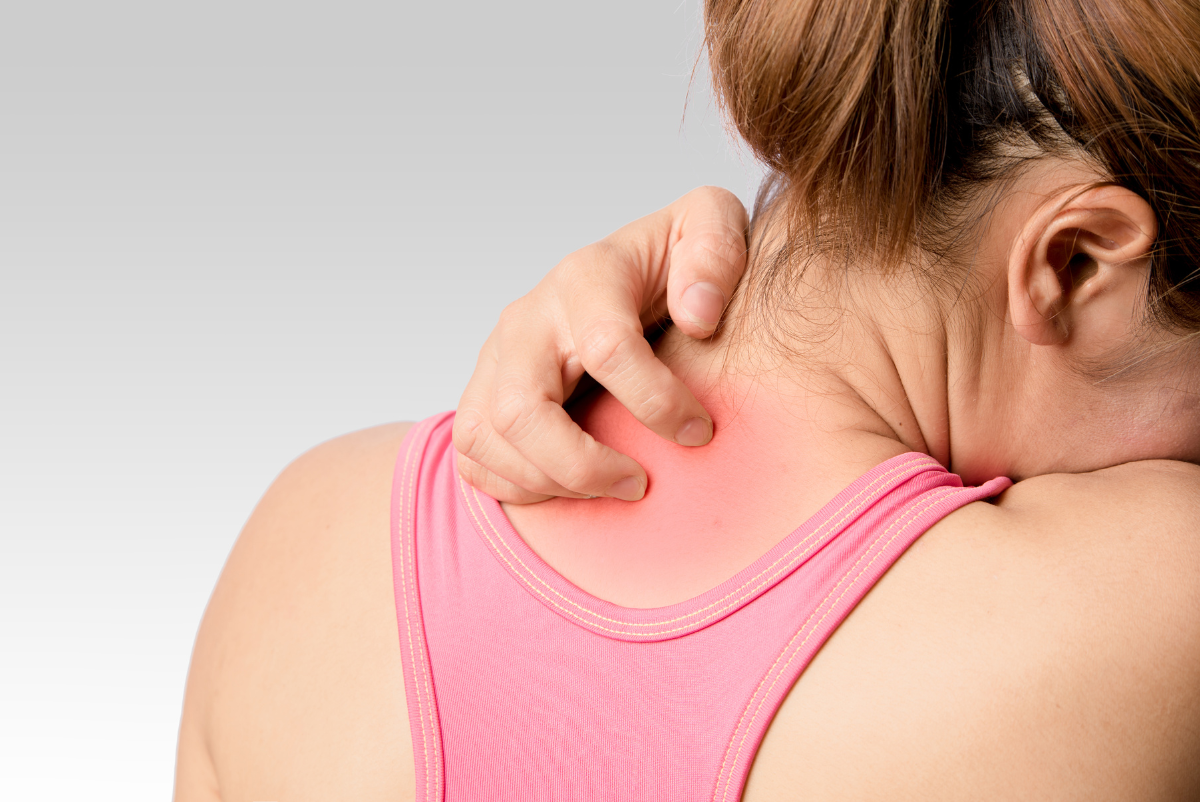
Experiencing issues with the skin on our face and body is among the top reasons people seek medical attention. Various skin conditions can leave our skin looking a little worse for wear, whether it’s flaking, itching, burning, or breaking out in spots, from rosacea to dermatitis.
One in ten Brits suffer from eczema symptoms all year round. However, some individuals might be more susceptible to flare-ups during the summer months due to heat, sweat, and increased exposure to specific allergens. Managing eczema flare-ups requires a comprehensive approach that combines proper skincare, lifestyle adjustments, and targeted treatments.
This article will explore several treatment tips to help individuals with eczema minimise irritation and enjoy a more comfortable summer. Including specific medications, such as hydrocortisone, Fucidin, Eurax, and Betnovate cream, to manage eczema symptoms, avoid triggers/irritants, apply cold compresses/baths, and much more!
Avoid Triggers/Irritants
Identifying and avoiding triggers can significantly reduce eczema flare-ups. Common triggers include certain fabrics, harsh soaps or detergents, heat, sweat, and specific allergens, so if your skin reacts badly to any of these, avoid them!
Dress in loose-fitting, breathable clothing made from gentle, natural materials like cotton or bamboo, which are softer on the skin. And when washing, run a medium-temperature shower/bath and opt for mild, fragrance-free soaps.
Because although we all love to smell lovely, certain ingredients in fragranced body wash can strip the skin of its natural oils, primarily when used with a hot bath/shower water!
Topical Treatments
Another way that you can manage eczema flare-ups in the summer is by applying topical treatments which reduce inflammation and alleviate itching. You can find various prescribed and over-the-counter topical medicines to relieve the symptoms of eczema, like Hydrocortisone, Fucidin, Eurax, or Betnovate cream.
These creams are designed to be applied to the affected areas whenever it starts looking dry, flaky, irritated, or as directed by your healthcare provider. Suppose your skin condition is much more severe. In that case, you may be prescribed prescription-strength creams, such as Fucidin, Eurax, or Betnovate, which contain more potent corticosteroids that can target your eczema more effectively.
Yet before you introduce any new treatments into your skincare routine, you must consult a dermatologist for a second opinion. You can determine your eligibility for a product by scheduling an in-person visit with a dermatologist or a virtual assessment using online dispensaries like the Independent Pharmacy.
To learn more, consider visiting their website to browse their entire eczema and dermatitis treatments, read customer reviews, brush up on your knowledge of common skin conditions using their helpful online resources, and discover how they could help you achieve less irritated skin this summer.
Cool Compresses/Baths
Nothing feels as good as sinking into a cold bath on a hot day. Likewise, when your skin feels on fire with the urge to itch, running a cool bath or applying a cold compress to the irritated skin patch can be an excellent way to relieve yourself in the summer months.
Cool compresses and baths can provide immediate relief for itchy and inflamed skin. Apply a cold, damp cloth or towel to the affected areas for a few minutes to soothe the skin and reduce itching. Alternatively, taking cool baths or showers can help calm irritated skin.
Although the thought of dunking your entire body into cold water might sound horrific, it is essential that you avoid hot water, as it can accelerate eczema symptoms. After bathing, gently pat the skin dry with a soft towel and apply moisturiser to seal in moisture.
Allergy Management
Allergies can trigger or worsen eczema symptoms. If you suspect specific allergens are contributing to your flare-ups, consider getting an allergy test to identify specific triggers. Once identified, take steps to minimise exposure to these allergens. This may include using allergen-proof covers for mattresses and pillows, regularly washing bedding in hot water, and avoiding outdoor activities during peak pollen seasons.
Natural Remedies
In addition to conventional treatments, some relieve eczema symptoms through natural remedies. While scientific evidence is limited, certain natural ingredients may have anti-inflammatory and soothing properties.
These include aloe vera gel, coconut oil, colloidal oatmeal, and chamomile. Apply these natural remedies topically to the affected areas but be cautious and discontinue use if any irritation occurs.
However, everyone’s skincare journey is different. So what may work for one person might not work for another; therefore, you should consult a healthcare professional before trying any new treatment.
Stress Management
From time to time, we all experience moments of stress. Whether your kids are driving you up the wall or your boss is putting increased pressure on you to finish this week’s deadlines, we all have times when we want to blow our top.
However, some people are more susceptible to stress than others, and while it’s an entirely valid emotion to feel at times – feeling it too often causes an onslaught of mental problems and can even worsen physical issues such as eczema.
To prevent stress-related eczema flare-ups, it is essential to find effective stress management techniques that can help reduce the frequency and severity of outbreaks. Thankfully, you can practise various stress-busting activities, from yoga and meditation to deep breathing exercises and hobbies that bring joy and relaxation.
Participating in these activities can lower your stress levels and the risk of flare-ups! Additionally, seeking support from friends, family, or professional therapists can provide valuable coping mechanisms for dealing with stress.
Book An Appointment With A Dermatologist
Everyone’s skincare journey is different, and while eczema is incurable, some of those affected can go about their daily life seemingly unaffected by the symptoms. Therefore, if you do notice your symptoms worsening despite your treatment, it is essential that you seek the expertise of a dermatologist.
A dermatologist can accurately diagnose the type of eczema, provide personalised treatment recommendations, and monitor your progress. They may also prescribe stronger medications or recommend alternative therapies based on your needs.
Psychological Support
It is no secret that living with eczema can significantly impact someone’s mental health and overall well-being. The visible appearance of eczema, chronic itchiness, and disrupted sleep patterns can lead to emotional distress and affect one’s quality of life.
Sometimes having someone outside your friendship group or family to support you is the best way to distract yourself from your symptoms. Fortunately, thanks to the internet, you can connect with various in-person and virtual support groups to share experiences, gain coping strategies, and receive emotional support from others facing similar challenges.
Closing Thoughts
Managing eczema flare-ups requires a multi-faceted approach that combines proper skincare, lifestyle adjustments, and, in some cases, medical treatments. By following these several treatment tips, individuals with eczema can take proactive steps to minimise irritation and discomfort, leading to healthier and more comfortable skin.
Remember to moisturise regularly, avoid triggers, use topical treatments as directed, apply cool compresses or take cool baths, manage allergies, make lifestyle adjustments, consider natural remedies under professional guidance, practice stress management techniques, explore UV light therapy with medical supervision, consult with a dermatologist when needed, maintain a consistent skincare routine, seek psychological support, and prioritise self-care. With proper care and management, individuals with eczema can experience improved quality of life and better control over their symptoms.