
Eyebrow waxing is an excellent way to achieve a polished and defined look while minimizing the hassle of daily maintenance.
By following the proper preparation, choosing a skilled esthetician, and adhering to the aftercare tips, you can enjoy beautifully sculpted brows that enhance your natural beauty for weeks to come. So, go ahead and embrace the power of perfectly groomed eyebrows – your eyes will thank you.
Getting Started with Eyebrow Waxing
The eyes are the windows to the soul, and eyebrows play a vital role in framing and enhancing their beauty. If you’re tired of dealing with unruly, overgrown eyebrows, or you simply want a more defined and polished look, eyebrow waxing might be the solution you’ve been looking for.
In this blog, we’ll delve into the world of eyebrow waxing, covering everything from the benefits and preparation to the procedure and aftercare tips so you can achieve flawlessly sculpted brows with confidence.
The Benefits of Eyebrow Waxing
1. Precision
Eyebrow waxing allows for precise hair removal, shaping your eyebrows to suit your facial features perfectly.
2. Long-lasting results
Unlike plucking, waxing removes hair from the root, providing longer-lasting results before regrowth.
3. Time-saving
With regular waxing, you’ll find that your eyebrows stay well-groomed for an extended period, reducing the time you spend on daily maintenance.
4. Less irritation
Waxing minimizes skin irritation compared to other hair removal methods like threading or tweezing.
Prepping Before Waxing Brows
Before diving into the world of eyebrow waxing, a little preparation goes a long way to ensure the best results:
Choose a reputable salon: Look for a reputable salon with experienced estheticians who specialize in eyebrow waxing.
Patch test: If you’re trying a new salon or waxing product, conduct a patch test on a small area of your skin to check for any allergic reactions.
Avoid retinol or exfoliants: Refrain from using retinol-based products or exfoliants on your eyebrows for at least a week before waxing to prevent skin sensitivity.
The Eyebrow Waxing Procedure
1. Consultation
A professional esthetician will begin with a consultation to understand your desired brow shape and discuss any concerns you may have.
2. Trimming
If your eyebrows are too long, the esthetician will trim them to ensure a cleaner waxing process.
3. Cleansing
The esthetician will cleanse your eyebrows and the surrounding area to remove any dirt or oils.
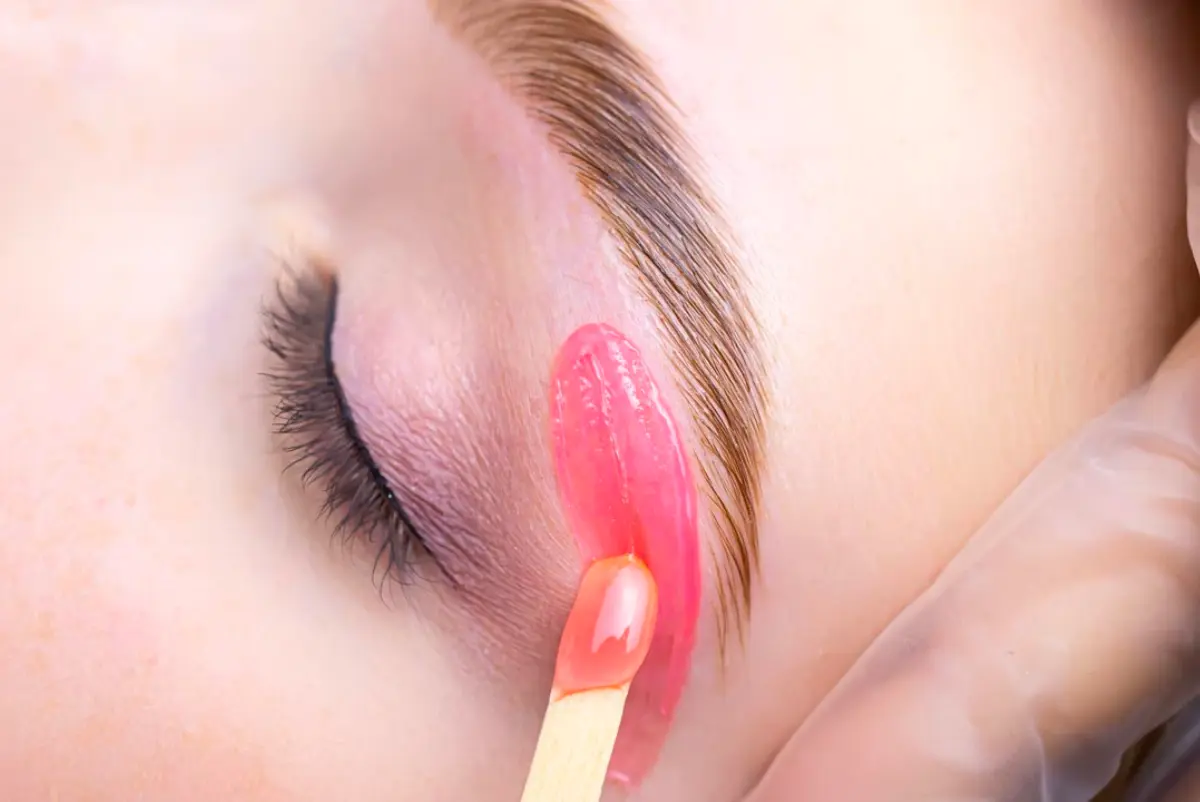
4. Wax application
Warm wax will be applied to the areas that need hair removal, following the shape discussed during the consultation.
5. Hair removal
A strip or hard wax will be used to remove the unwanted hairs, working quickly to minimize discomfort.
6. Tweezing
For any stray or hard-to-reach hairs, the esthetician will use tweezers to achieve a flawless finish.
Aftercare Tips
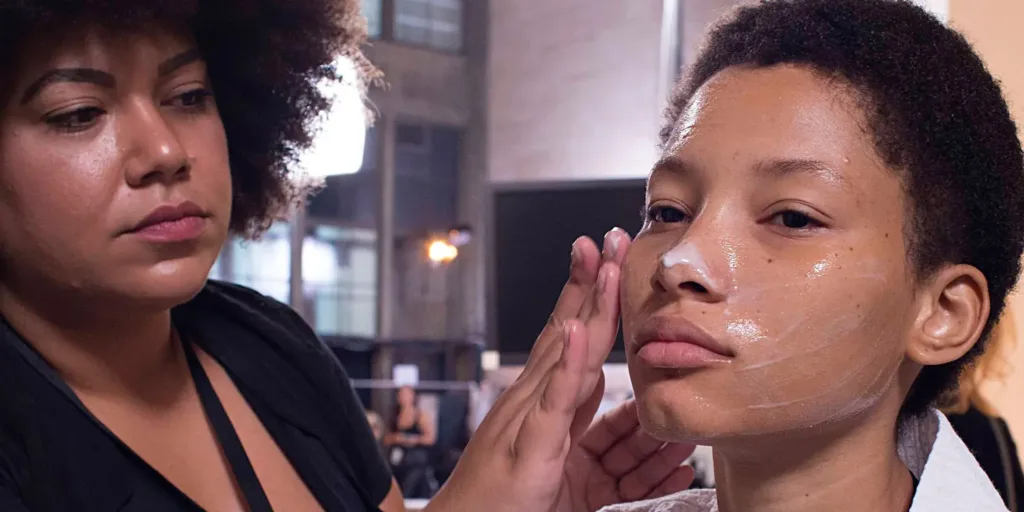
Taking care of your eyebrows after waxing is crucial to maintain the results and keep your skin healthy:
1. Avoid touching
Refrain from touching or scratching the waxed area immediately after the procedure to prevent any potential infections.
2. Soothe the skin
Apply a gentle, fragrance-free moisturizer or aloe vera gel to soothe the waxed area and reduce redness.
3. Stay away from heat
Avoid hot showers, saunas, or steam rooms for at least 24 hours to prevent irritation.
4. Sun protection
Shield your eyebrows from direct sunlight and apply sunscreen to avoid sunburn on freshly waxed skin.
Conclusion
In conclusion, eyebrow waxing is an excellent and effective way to achieve beautifully sculpted and defined eyebrows that enhance your natural beauty.
The precision of the waxing technique allows for personalized shaping, and the results can last for weeks, saving you time on daily maintenance. Furthermore, the process is generally less irritating to the skin compared to other hair removal methods.
To ensure the best experience, it’s essential to prepare properly before your appointment. Choose a reputable salon with experienced estheticians, conduct a patch test if needed, and avoid using certain skincare products to prevent skin sensitivity.


