

Nail extensions are a great way to add length, change the shape of your nails and try designs that stand out. From acrylic and gel extensions to polygel and fibreglass wraps, each option offers a different finish, application method and maintenance routine.
The best choice depends on the look you want, your budget and how much upkeep you are comfortable with. And you have plenty designs to choose from, including classic French tips, glossy chrome, soft ombre and playful floral patterns. Let’s look at the types of nail extensions, their costs, how they are applied and the designs worth trying.
- What Are Nail Extensions?
- What Are the Different Types of Nail Extensions?
- Which Type of Nail Extension Should You Choose?
- How Much Do Nail Extensions Cost?
- How Are Nail Extensions Applied?
- 9 Nail Extension Designs to Try
- How to Care for Nail Extensions
- Frequently Asked Questions About Nail Extensions
- Final Thoughts
What Are Nail Extensions?
Nail extensions are artificial enhancements used to add length to natural nails or create a particular nail shape. Depending on the system, a nail technician may attach artificial tips, sculpt an extension using a form, or build the nail with a suitable gel or acrylic product.
Some popular extension systems include acrylic, gel and polygel. Fibreglass and silk wraps are also used for nail reinforcement, while dip powder is commonly applied as an overlay or for limited extensions.

What Are the Different Types of Nail Extensions?
There are several types of nail extensions to choose from, and each has its own application process, finish and maintenance requirements. Here are six options to consider before booking your next manicure.
1. Acrylic Nail Extensions
Acrylic nail extensions are made by combining a liquid monomer with an acrylic powder to form a workable mixture. The technician applies and shapes the product over the natural nail or an extension form or tip. It then hardens without requiring a UV or LED curing lamp.
Acrylics are a popular choice for creating long, sculpted nails in shapes such as square, almond, coffin and stiletto. They can also be finished with simple polish, French tips or more detailed nail art.
2. Gel Nail Extensions
Gel nail extensions use a builder gel or another suitable extension gel to create length and structure. Depending on the system, the gel can be sculpted over a form or applied using a compatible extension tip. The product is cured under the lamp specified by the manufacturer.
Gel extensions can create a smooth, glossy finish and work well with both understated and detailed designs. The exact flexibility, durability and removal method depend on the product used.
3. Polygel or Acrygel Extensions
Polygel, also called acrygel in some product ranges, combines characteristics of gel and acrylic nail systems. It is a sculptable product that can be used to build extensions or reinforce natural nails, depending on the technique and product.
It is worth considering if you want shaped extensions with a builder-product application. However, the finished result and removal requirements depend on the particular system and the technician’s technique.
4. Fibreglass Nail Extensions
Fibreglass nail extensions use fine fibreglass material with a suitable resin or nail product to reinforce the nail. The material can help support a nail enhancement, although it is not as commonly discussed as acrylic or gel systems.
Fibreglass is sometimes used in nail wraps and reinforcement techniques. The amount of length it can support depends on the system, the condition of the natural nail and the technician’s method.
Fibreglass wraps and silk wraps are related techniques, but they are not exactly the same material. Ask which system your salon uses if the distinction matters to you.

5. Dip Powder Nails
Dip powder nails use coloured or clear powder with compatible bonding products to create a manicure. The system generally involves applying a bonding liquid and powder in layers, followed by the products needed to seal and finish the nails.
Dip powder is commonly used to coat natural nails. Some systems can also support limited extensions, but it is not automatically a substitute for a dedicated acrylic, gel or polygel sculpting system.
6. Silk Nail Extensions and Wraps
Silk nail wraps use a thin piece of silk fabric to reinforce the natural nail. Similar wrap techniques may use fibreglass or other materials designed for nail enhancement.
These systems are often used to reinforce or repair a small area of a nail, depending on the product and the technician’s assessment. They are not necessarily the best option for creating very long extensions.
Which Type of Nail Extension Should You Choose?
The best nail extension type depends on your preferred look, the length you want and the maintenance you can manage. There is no single system that works best for everyone.
- For long, sculpted nails: Acrylic, gel or polygel may be suitable, depending on your preferred shape and the technician’s system.
- For a glossy finish: Gel extensions are worth considering if you like a smooth finish and are comfortable with the required curing and removal process.
- For a natural-looking manicure: Choose a shorter length, a soft nude or pink shade and a shape that complements your natural nails.
- For subtle nail art: French tips, nude ombre or a single glitter accent can add detail without making the design too busy.
- For bold designs: Chrome, marble, abstract patterns and detailed floral art offer more room for creativity.
- For reinforcement without extra length: Ask about a suitable overlay instead of automatically choosing extensions.
Your natural nail condition should also influence your decision. If your nails are brittle, painful, discoloured or damaged, it is better to address the problem than simply cover it with an artificial enhancement.

How Much Do Nail Extensions Cost?
The price of nail extensions varies by location, salon, application system and the finish you choose. Acrylic, gel, polygel and wrap services may have different starting prices, while longer nails and detailed designs can increase the total.
Before booking, check the salon’s current service menu or request a quote. These are the main factors that affect the final cost:
The extension type: Different systems use different products and application methods, which can affect the service price.
The length and shape: Extra-long extensions or shapes that require more sculpting can take more time and product.
The design: A plain finish may cost less than intricate French tips, chrome, hand-painted flowers, marble patterns or detailed embellishments.
The salon and location: Prices vary between salons and regions, as well as according to the technician’s experience and the service offered.
Maintenance and removal: Infills, repairs, removal of an existing set and a fresh application may be charged separately.
When comparing prices, check what is included. A low starting price may not cover the length, design or maintenance you actually want.
How Are Nail Extensions Applied?

The exact process depends on the extension system, but a professional application generally involves preparing the natural nail, building or attaching the extension, refining the shape and finishing the manicure.
Step 1: Prepare the Natural Nails
The technician examines the nails, cleans the working area and prepares the nail surface according to the chosen system. Preparation should be careful rather than aggressive, because excessive filing can thin the natural nail.
Step 2: Choose the Extension Method
The technician selects the appropriate method for the desired length and shape. This may involve attaching a compatible nail tip, using a sculpting form or building the extension with a suitable product.
Step 3: Apply the Extension Product
The selected product is applied and shaped to create the extension. Acrylic hardens through its chemical setting process, while products designed for lamp curing must be cured according to the manufacturer’s instructions.
Step 4: Refine the Shape
Once the product has set or cured as required, the technician refines the length, sidewalls and overall shape. The surface is smoothed as needed to create a neat finish.
Step 5: Apply Colour and Nail Art
The final step is to apply the selected polish, top coat or design. You can keep the finish simple with a nude shade or choose something more detailed, such as ombre, chrome, glitter or floral nail art.
For safety, choose a clean salon that follows appropriate tool-cleaning practices. Avoid cutting the cuticles, and ask about the products being used if you have a history of skin reactions.
9 Nail Extension Designs to Try

One of the best things about nail extensions is the variety of designs you can try. You can keep them understated, go for a classic manicure or use your nails to experiment with colour and nail art.
1. French tips

French tips are a classic option featuring a nude, pink or sheer base with a contrasting tip, traditionally white. You can keep the tips thin for a subtle finish or try coloured French tips for something more playful.
2. Ombre nails

Ombre nails feature a gradual blend from one colour into another. A soft nude-to-pink gradient gives a delicate look, while brighter combinations can make your manicure stand out.
3. Glitter accents

Glitter accents add sparkle without requiring every nail to have a full glitter finish. Try glitter on one or two nails, a glitter gradient or a fine shimmer over a neutral base.
4. Marble nails
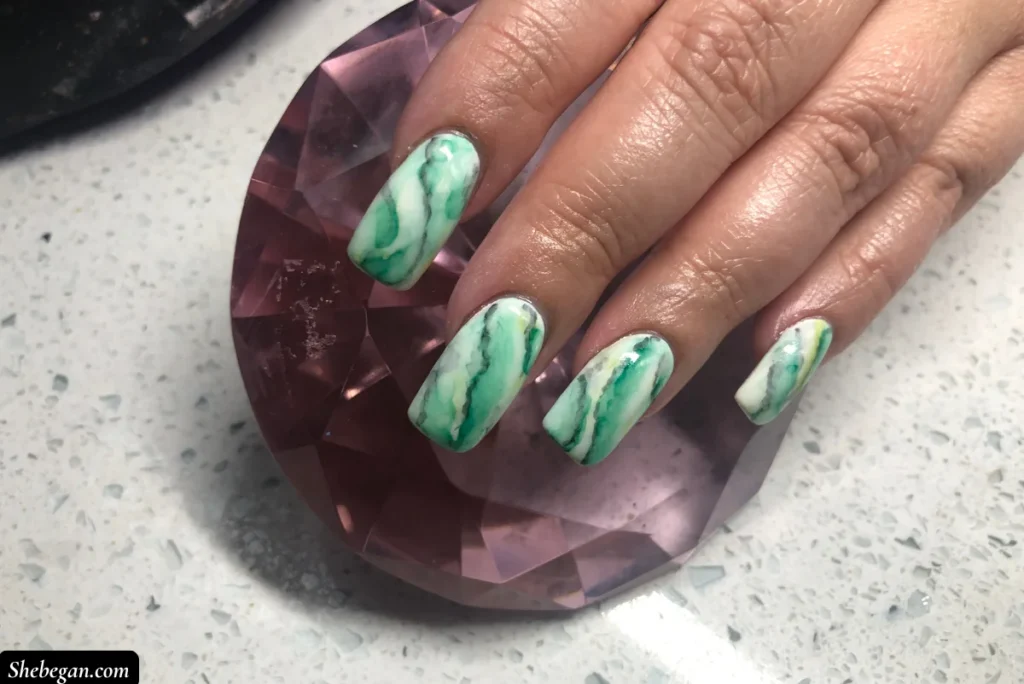
Marble designs recreate the appearance of natural stone using blended colours and fine veining. White and grey are classic choices, but you can experiment with pink, brown, green or other shades to suit your style.
5. Geometric nail extensions
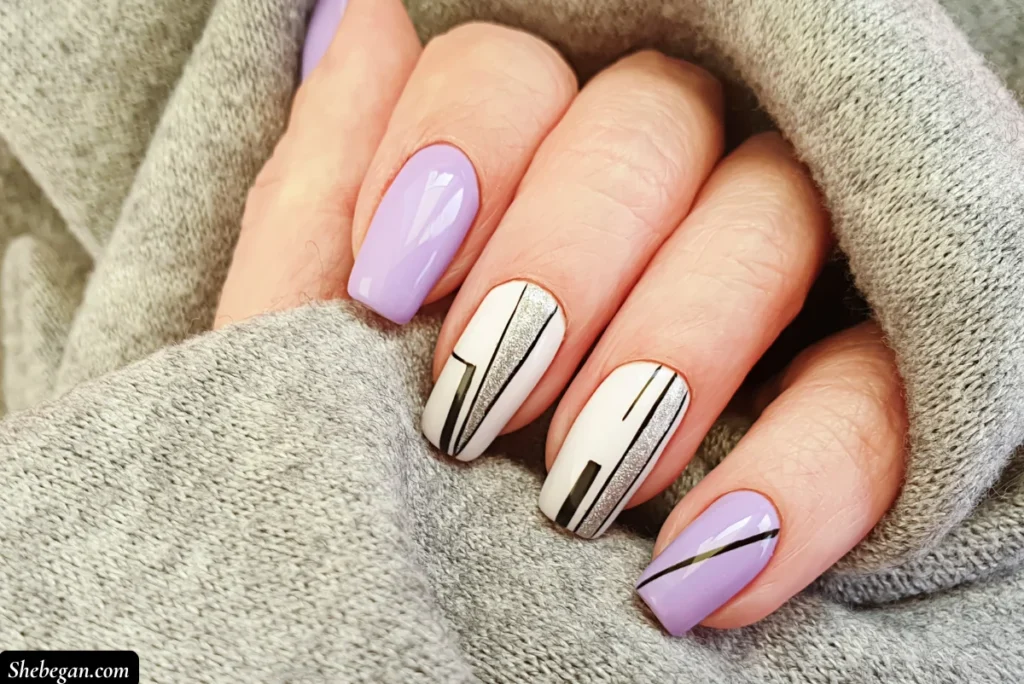
Geometric nail art uses lines, blocks of colour, triangles and other shapes to create a modern look. Neutral colours can keep the design understated, while contrasting shades make it more striking.
6. Floral nail extensions
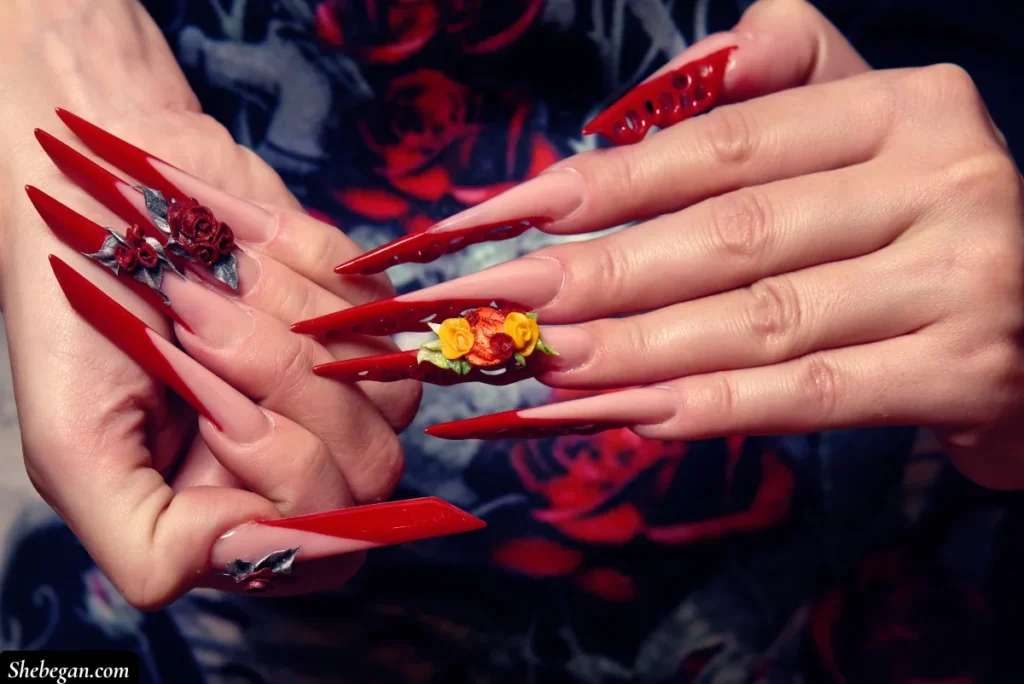
Floral nail art is a lovely option if you prefer delicate details or colourful designs. Small flowers on a nude base create a subtle effect, while larger floral patterns can make your extensions the focus of your manicure.
7. Abstract nails
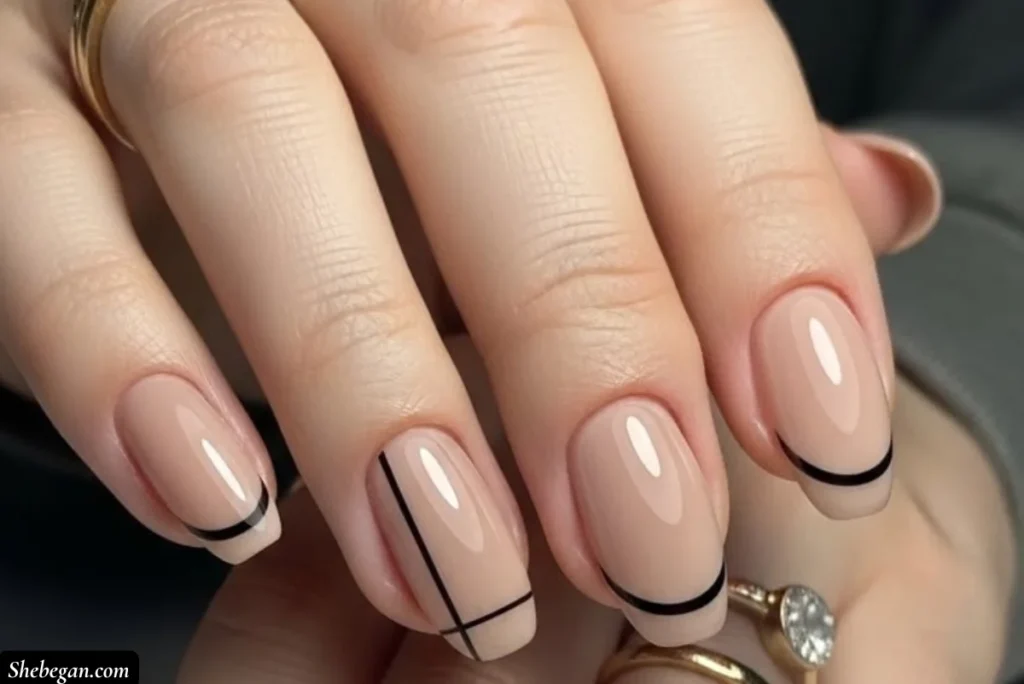
Abstract designs use swirls, curves, irregular shapes and colour combinations that do not follow a strict pattern. They are a good option if you want something creative and less traditional.
8. Chrome or metallic nail designs
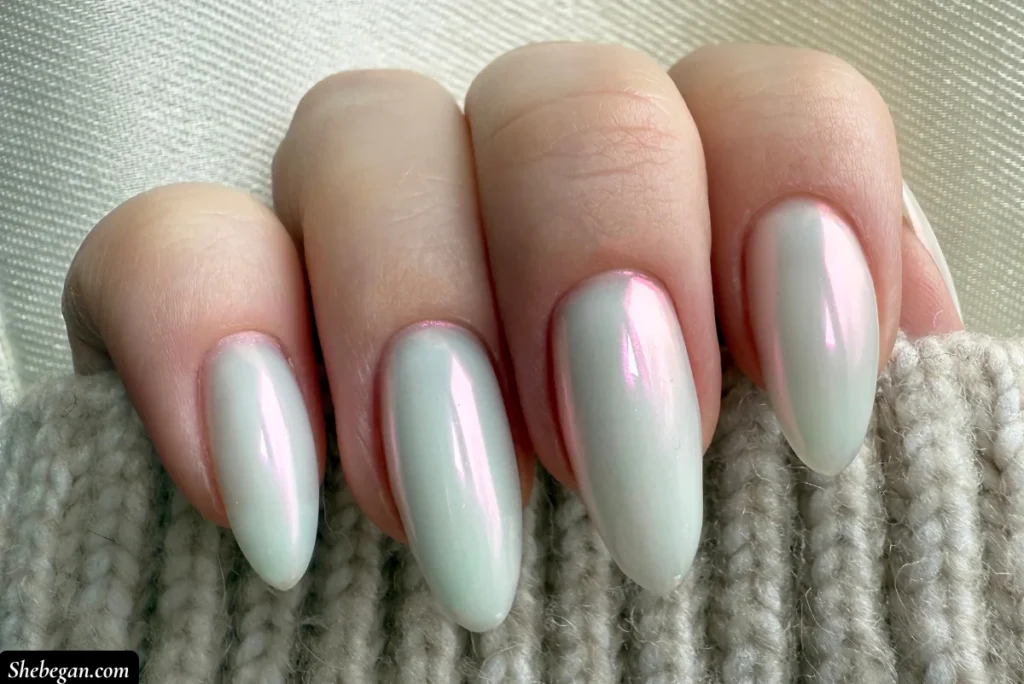
Chrome and metallic finishes create a reflective surface that catches the light. You can choose a full metallic manicure or use chrome as an accent alongside a neutral or coloured base.
9. Matte nails
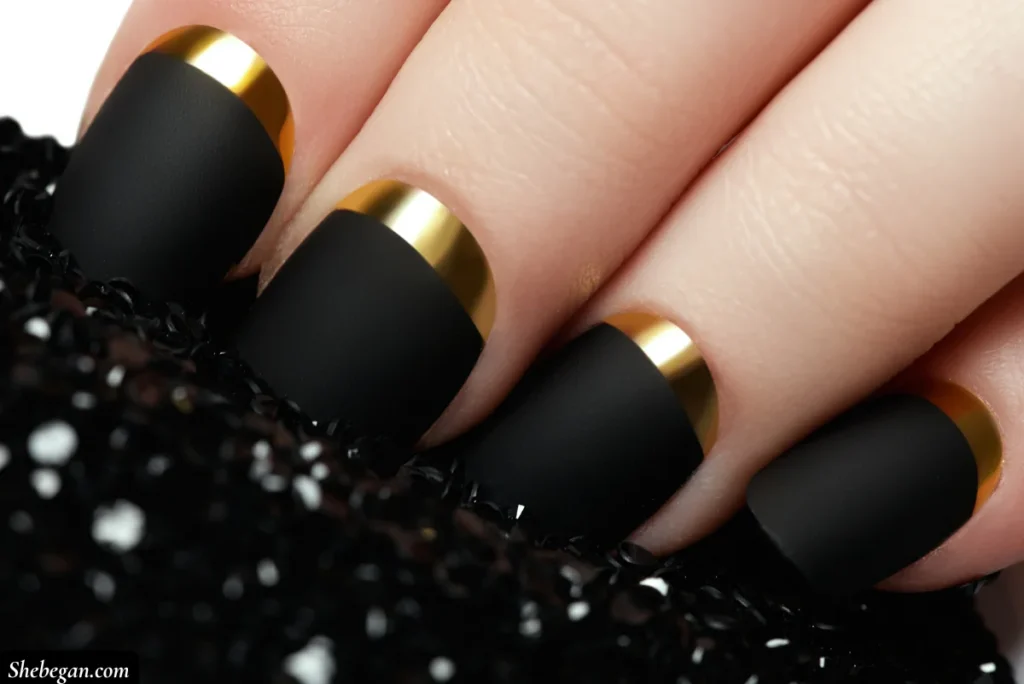
Matte nails have a smooth, non-shiny finish. A matte top coat can give solid colours, French tips or detailed designs a different look, especially when paired with glossy accents.
How to Care for Nail Extensions
Good maintenance helps keep your manicure looking neat and reduces the risk of unnecessary damage to your natural nails.
Keep up with maintenance. As your natural nails grow, a gap develops between the cuticle area and the extension. Follow your technician’s guidance on infills or replacement rather than waiting until the set has lifted significantly.
Do not pick or pull off extensions. Pulling artificial nails away from the natural nail can cause damage. Have them removed using the appropriate method for the product.
Protect your nails from excessive filing. The natural nail should not be repeatedly filed more than necessary during application, maintenance or removal.
Moisturise your nails and surrounding skin. Applying a suitable moisturiser can help reduce dryness around the nails, especially after polish removal or exposure to drying products.
Choose a hygienic salon. Tools should be cleaned and disinfected appropriately between clients. Avoid services that involve painful filing, cuts or excessive cuticle trimming.
Take a break when your nails need it. Repeated use of artificial nails can contribute to thinning, brittleness and peeling. If you notice damage, remove the enhancement safely and allow time for the natural nails to recover.
Pay attention to reactions. Itching, swelling, redness or persistent discomfort around the nails should not be ignored. Stop using the suspected product and seek appropriate medical advice if symptoms develop.
Artificial nails can be a beautiful way to experiment with length and design, but careful application, appropriate removal and regular nail care matter. The American Academy of Dermatology provides further guidance on reducing artificial nail damage.
Frequently Asked Questions About Nail Extensions
How Long Do Nail Extensions Last?
How long extensions remain wearable depends on the product, application quality, nail growth, daily activities and maintenance. Your natural nails continue to grow, so you may need infills or a new set as the gap at the base becomes more noticeable. Follow your technician’s advice and do not leave lifted extensions unattended.
Can Nail Extensions Damage Natural Nails?
Yes. Aggressive filing, repeated applications, picking and improper removal can weaken the natural nail and contribute to thinning, brittleness or peeling. Choose a hygienic salon, avoid forceful removal and take a break if your natural nails become damaged. Persistent pain, swelling or discolouration should be assessed rather than covered up.
Which Nail Extensions Look the Most Natural?
A shorter extension with a soft oval, round or almond shape and a sheer pink or nude finish can create a natural-looking result. The final appearance also depends on the product, the technician’s shaping technique and how closely the colour matches the look you prefer.
Can You Remove Nail Extensions at Home?
Removal depends on the product system. Some enhancements can be soaked off using the appropriate product, while others require careful filing by a trained technician. Do not pull, peel or force the extension away from the natural nail, as this can cause damage. If you are unsure which system you have, ask the salon how it should be removed safely.
Final Thoughts
Nail extensions give you plenty of ways to experiment with length, shape, colour and nail art. Acrylic, gel and polygel offer different ways to build extensions, while wraps and dip powder can serve other enhancement purposes.
Before choosing a set, consider the look you want, the price, the maintenance involved and the condition of your natural nails. Once you have settled on the right type, you can have fun choosing a design, whether that means classic French tips, soft ombre, glitter accents or bold chrome nails.


