

A rook piercing is a lovely option if you want an ear piercing that looks a little different from the usual lobe or helix piercing. It sits in the small fold of cartilage in the upper inner ear and is often worn with a curved barbell or other suitable jewellery. If you like delicate piercings that add something interesting to your ear, it may be worth considering.
Before booking an appointment, though, there are a few things you should know. A rook piercing can be painful, it takes several months to heal fully, and it needs careful aftercare because it passes through cartilage. Understanding the pros and cons, healing time, jewellery options, and possible risks can help you decide if it is right for you.
- What Is a Rook Piercing?
- Pros and Cons of Rook Piercing
- How Much Does a Rook Piercing Hurt?
- How Long Does a Rook Piercing Take to Heal?
- Rook Piercing Aftercare: How to Clean It
- What Jewellery Is Used for a Rook Piercing?
- Signs of a Healing Rook Piercing vs an Infection
- How Much Does a Rook Piercing Cost?
- Frequently Asked Questions
- Wrapping Up
What Is a Rook Piercing?
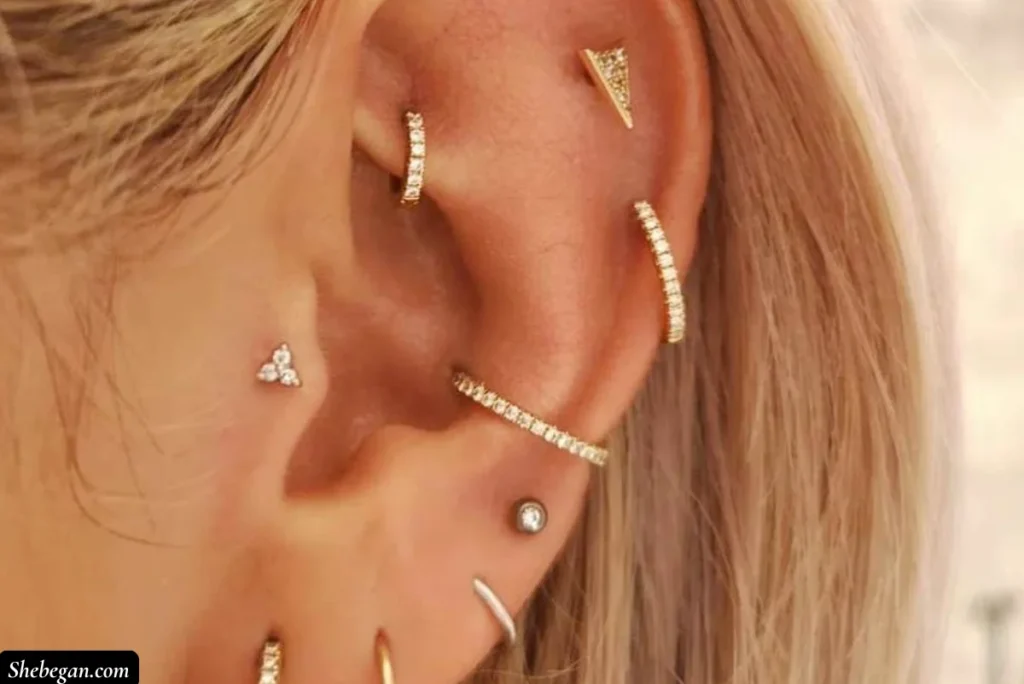
A rook piercing passes through the fold of cartilage in the upper inner part of the ear, above the ear canal. It is different from a tragus piercing, which goes through the small flap near the ear canal, and a helix piercing, which sits along the outer upper rim of the ear.
One reason people like rook piercings is that they can add detail to an ear without taking up much visible space. A small curved barbell or suitable ring can look simple and elegant on its own, or it can be part of a collection of ear piercings.
However, not every ear has the right shape for a rook piercing. The cartilage fold needs to be suitable for the placement, so a professional piercer should examine your ear before going ahead. Do not assume that you can get one just because you have seen it on someone else.
Pros and Cons of Rook Piercing

Like other cartilage piercings, a rook piercing has advantages and disadvantages. The appearance may appeal to you, but it is important to consider the healing process and the care it requires.
Pros of a rook piercing
1. It has a distinctive appearance
A rook piercing is a nice option if you want something different from a standard earlobe piercing. Because it sits in the inner fold of the ear, it adds detail without needing a large hoop or a very noticeable piece of jewellery.
2. It works well with other ear piercings
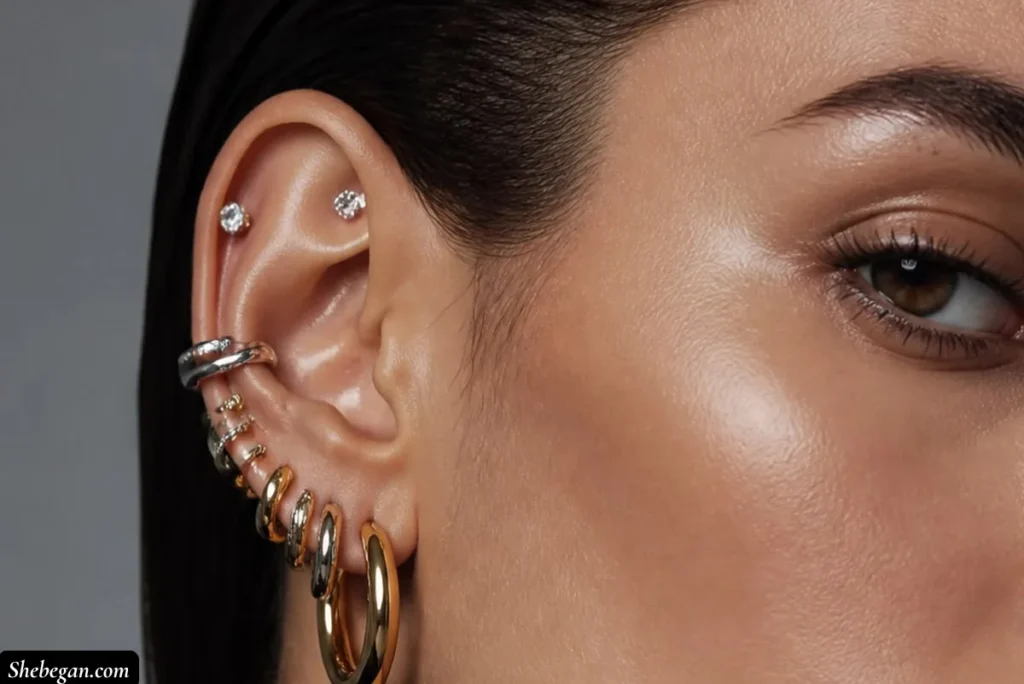
If you enjoy styling your ear with more than one piercing, a rook can complement other placements, such as the helix, conch, or tragus. You can wear it alone for a simple look or combine it with other pieces once the piercings are suitable for that arrangement.
3. You can choose from different jewellery styles
A curved barbell is a common choice for a rook piercing, although the appropriate jewellery depends on your anatomy and the stage of healing. Once the piercing has fully healed, a professional piercer can advise you about other suitable styles.
4. It can be a subtle way to express your style
You do not need oversized jewellery to make a rook piercing look interesting. A small, well-fitted piece can add a little detail to your ear without changing your overall look too much. You can keep it simple or make it part of a more elaborate ear-piercing arrangement.
Cons of a rook piercing
1. It can hurt
A rook piercing passes through cartilage, so the sensation can be sharper than what you might experience with a standard earlobe piercing. The pain varies from person to person, and tenderness or swelling may follow the procedure.
2. It takes time to heal
A rook piercing can take several months to heal fully, often around 6 to 12 months or longer. It may look fine on the outside before the tissue inside has finished healing, so you need to be patient and continue following appropriate aftercare instructions.
3. It can become irritated
Pressure, repeated touching, poorly fitted jewellery, and sleeping on the piercing can cause irritation. Even if you clean it properly, frequent friction can make healing more difficult.
4. It may be uncomfortable when sleeping
If you usually sleep on your side, a new rook piercing can be inconvenient. Lying directly on the pierced ear may put pressure on the area, so you may need to change your sleeping position while it heals.
5. It carries a risk of complications
All piercings carry some risk of irritation, allergic reactions, scarring, and infection. Cartilage infections can be particularly serious, so choosing a professional piercer and following good aftercare are important.
How Much Does a Rook Piercing Hurt?
A rook piercing can feel sharp and intense for a brief moment because the needle passes through cartilage. After the initial piercing, you may notice tenderness, throbbing, or swelling around the area.
There is no exact pain score that applies to everyone. Your experience may depend on your pain tolerance, anatomy, the piercer’s technique, and how your body responds. It is best to expect some discomfort rather than assuming the procedure will be painless.
If you are nervous about getting one, speak to your piercer before the appointment. They can explain the process, answer your questions, and help you understand what to expect. Choose a professional who uses sterile equipment and takes the time to assess your ear properly.
How Long Does a Rook Piercing Take to Heal?
A rook piercing commonly takes several months to heal fully, often around 6 to 12 months or longer. The exact timeline varies from person to person, and repeated irritation can delay healing.
During the early stages, you may notice some tenderness, swelling, minor bleeding, or pale fluid that dries into a crust. These symptoms can occur during normal healing, but they should gradually improve rather than become increasingly severe.
One thing to remember is that a piercing can look healed on the outside while the inner tissue is still fragile. Do not change the jewellery just because the piercing no longer hurts or looks normal. Ask your piercer to check it and advise you when a jewellery change is appropriate.
Rook Piercing Aftercare: How to Clean It
Proper aftercare helps protect your rook piercing while it heals. You do not need a complicated routine, but you do need to be gentle and consistent.
1. Wash your hands first
Always wash your hands before cleaning your piercing or touching the jewellery. This helps reduce the chance of transferring dirt and bacteria to the healing area.
Try not to touch the piercing throughout the day when you are not cleaning it. Moving or playing with the jewellery can irritate the tissue, even if your hands appear clean.
2. Clean with sterile saline
Use sterile saline wound wash intended for cleaning wounds. Check the ingredients and choose a product that contains 0.9% sodium chloride, without added moisturizers or antibacterial ingredients.
Gently rinse the area according to the product instructions and your piercer’s advice. Avoid making your own salt mixture unless a qualified professional has given you specific guidance, because a solution that is too strong can irritate the healing tissue.
Do not use alcohol, hydrogen peroxide, or harsh cleaning products on the piercing. These can irritate the skin and interfere with healing.
3. Dry the area gently
After cleaning, gently dry the area with clean disposable gauze or another suitable disposable product. Avoid rubbing the piercing or snagging the jewellery while drying it.
Cloth towels can catch on the jewellery or carry bacteria, so take care when drying your ear after a shower. A gentle approach is better than repeatedly wiping or scrubbing the area.
4. Avoid pressure and unnecessary touching
Try not to sleep directly on your rook piercing. If you usually sleep on that side, you may need to sleep on the opposite side or use a travel pillow that leaves your ear free from pressure.
Be careful when brushing your hair, putting on clothes, using headphones, or handling anything that may catch on the jewellery. You should also avoid twisting or rotating the jewellery during cleaning because unnecessary movement can irritate the piercing.
5. Keep the jewellery in place while it heals
Do not remove or change the jewellery just because the piercing looks better. A rook piercing needs time to heal internally, and changing the jewellery too early can damage the healing tissue or cause irritation.
If the jewellery feels too tight, seems to be sinking into the skin, or is causing persistent discomfort, contact your piercer promptly. If you suspect an infection, seek medical advice before removing the jewellery yourself.
What Jewellery Is Used for a Rook Piercing?
A curved barbell is commonly used for a rook piercing because its shape suits the curve of the cartilage fold. However, the best jewellery depends on your ear anatomy, the placement, and how much room is needed for initial swelling.
Material matters too. Ask your piercer about suitable body jewellery made from materials intended for fresh piercings, such as implant-grade titanium. The jewellery should be properly fitted, smooth, and appropriate for the healing stage.
Do not choose jewellery based on appearance alone. A piece that is too short, too tight, or poorly suited to your anatomy may cause pressure and irritation. Your piercer can advise you about the correct size and when it is safe to consider another style.
Signs of a Healing Rook Piercing vs an Infection
Some tenderness, mild swelling, and a small amount of pale fluid that forms crust can occur during normal healing. These symptoms should generally improve over time, although cartilage piercings can remain sensitive for a while.
An infection may cause symptoms such as:
- Increasing pain or tenderness.
- Significant swelling or warmth around the piercing.
- Redness or darkening of the surrounding skin that is worsening.
- Thick, yellow, green, or foul-smelling discharge.
- Fever, chills, or feeling generally unwell.
If you notice these signs, seek medical attention promptly. Cartilage infections can become serious and should not be treated only with home remedies. Do not remove the jewellery yourself unless a healthcare professional advises you to do so.
A small bump does not automatically mean your piercing is infected. Irritation and other healing problems can also cause bumps, so avoid squeezing them or applying harsh products. A qualified piercer can help assess jewellery fit, while a healthcare professional can evaluate possible infection or other medical concerns.
How Much Does a Rook Piercing Cost?
The cost of a rook piercing depends on where you live, the studio you choose, the piercer’s experience, and the jewellery included in the service.
Before booking, ask whether the quoted price covers the piercing procedure and the initial jewellery. You may also want to ask about follow-up appointments, jewellery downsizing, and the studio’s hygiene practices.
Frequently Asked Questions
What is a rook piercing?
A rook piercing goes through the small fold of cartilage in the upper inner ear. It is different from a tragus piercing, which is placed through the small flap near the ear canal.
Can everyone get a rook piercing?
No. The shape of the cartilage fold varies between people. A professional piercer should examine your ear to determine whether the placement is suitable.
Can I sleep on my rook piercing?
It is best to avoid sleeping directly on a new rook piercing. Pressure can irritate the area and make healing more difficult. Try sleeping on the opposite side or using a travel pillow that keeps your ear free.
When can I change my rook piercing jewellery?
Wait until the piercing has healed fully and ask your piercer before changing the jewellery. If a change is needed during healing because of fit or another concern, have a qualified piercer assess it.
Is a rook piercing more difficult to heal than an earlobe piercing?
It can be. A rook piercing passes through cartilage, which generally heals more slowly than the soft tissue of the earlobe. It also needs protection from pressure and repeated irritation.
Wrapping Up
A rook piercing can be a lovely way to add something different to your ear, especially if you like delicate jewellery and more unusual piercing placements. Before getting one, consider the pain, the months of healing, the cost, and the aftercare it requires.
Choose an experienced professional who can assess your ear and recommend suitable jewellery. Keep the piercing clean with sterile saline, avoid unnecessary touching and pressure, and seek medical advice if you notice signs of infection.
With the right preparation and realistic expectations, you can make a more informed decision about whether a rook piercing suits your style and everyday routine.


1 Comment
A rook and a tragus piercing are 2 different piercings. I have both and have had both since 2015. Might want to change your wording or you’ll confuse a lot of people.