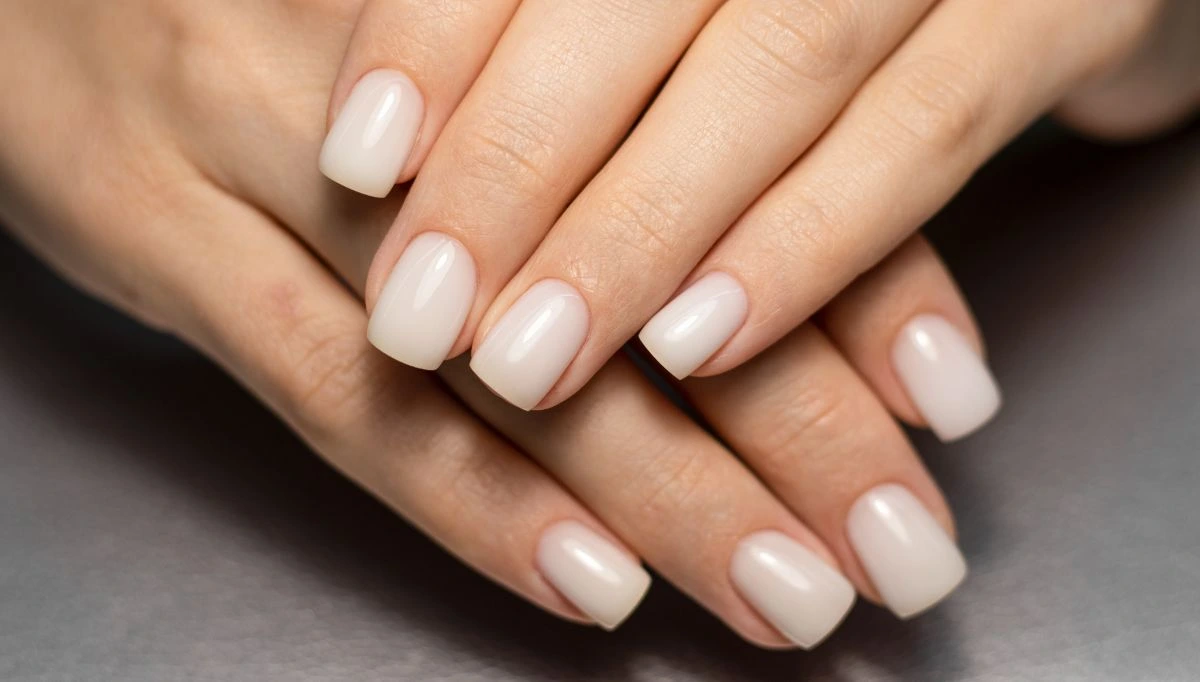
A clear top coat is a final touch in achieving glossy and polished nails, but one common mishap about this coat is that the top coat can begin to turn an unsightly brown. You probably would have wondered why is my top coat turning brown after spending resources on the manicure only to have the top coat turning brown after a few days.
I understand how you feel, as this discoloration can be both frustrating and perplexing. Most of the time, the discoloration is usually caused by the curing process. If the gel manicure is either over-cured or under-cured, your top coat will turn brown after a few days.
Although the curing process is the major culprit for the top coat turning brown a few days after your manicure, there are other reasons out there that can trigger a brown stain on your manicure. I will discuss that and how to address the issues promptly, as well as ways to avoid this mishap in this post, so read to the very end!

Other Reasons Why Your Top Coat is Turning Brown
When your clear nail polish or top coat begins to turn brown, it can be a frustrating experience. Various factors often cause this discoloration, and understanding these reasons can help you prevent it in the future. I will take you through ten potential reasons why your top coat may be turning brown and explain the science behind each occurrence.
1. UV exposure
One of the primary culprits behind brown top coats is exposure to ultraviolet (UV) light. Prolonged exposure to UV light can lead to the yellowing or browning of the top coat. This exposure can occur through natural sunlight or UV nail lamps used during manicures. UV rays from sunlight or tanning beds can penetrate the top coat, causing it to develop a brownish tint.
This phenomenon is due to a chemical reaction that occurs when UV light interacts with the compounds in clear polish. To prevent UV-induced discoloration, opt for top coats with UV protection or minimize direct sunlight exposure.
2. Natural nail stains
Sometimes, the brown discoloration is not a fault of the top coat but a result of your natural nails. Nails can absorb pigments from colored nail polishes, particularly darker shades, which can eventually seep through to the clear top coat, giving it a brown color.
3. Product quality
Not all top coats are created with the same materials, and subpar or low-quality products are more prone to discoloration. Using inferior-quality top coats may be more inclined to discoloration.
Also, old or expired topcoat products can result in color changes. The chemicals in these products may degrade over time, leading to discoloration.
4. Health factors
Certain underlying health conditions or medications may cause changes in nail color, including the top coat. The health of your natural nails can also significantly impact the longevity of your top coat’s clarity. If your nails are damaged, dehydrated, or harbor fungal issues, these problems can make your top coat brown.
5. Chemical exposure
Exposure to harsh chemicals, such as household cleaning agents, without proper hand protection, can affect the color of your top coat. To avoid chemical-induced discoloration, use gloves when handling such substances.
6. Residue buildup
One common cause of brown discoloration in your top coat is the accumulation of residues. Over time, remnants of nail polish, treatments, and even hand creams can mix with the top coat, causing it to develop a brownish tint.
7. Nicotine Stains
Smoking or exposure to nicotine can be a significant contributor to nail discoloration, including the top coat. Nicotine can leave yellow or brownish stains on the nails.
8. Improper drying
Applying a top coat before the underlying nail polish has completely dried can lead to discoloration. It’s vital to ensure each layer of nail polish, including the base and color coats, is fully dry before applying the top coat.
9. Base coat compatibility
Sometimes, the top coat may be different from the base coat you’re using. Different brands or formulations may react with each other, leading to unintended color changes. To prevent this, consider using a top coat from the same brand as your base coat or ensuring compatibility between different brands.
Ways to Remove Top Coat Discoloration
1. Buff the top coat using a nail buffer
Start by using a nail buffer or fine-grit nail file to remove the browned layer from the top coat gently. Be cautious not to file too deeply, as this can damage the underlying layers of nail polish.
Now wash your hands using warm water, and pat dry with a soft towel. You may need to apply a new layer of top coat to enjoy the beauty of gel nails if you are using this method.
2. Soak in hydrogen peroxide solution
Create a mixture of equal parts hydrogen peroxide and warm water. Soak your nails for a few minutes, then use a soft nail brush to scrub the affected areas gently. This can help whiten and remove stains. Be cautious with the concentration, as high concentrations can be harsh on the skin and nails.
Then rinse and dry your nails thoroughly. You can apply a fresh layer of clear top coat to your nails if you feel you need to. Ensure that it’s a high-quality top coat to reduce the risk of discoloration in the future.
3. Use baking soda paste and lemon juice
A combination of baking soda and lemon juice’s natural acidity can help lighten nail stains. Make a paste by mixing baking soda, lemon juice, and warm water, and Soak your nails in the mixture, or rub a lemon wedge directly on the discolored area.
Then gently scrub your nails with this paste and rinse your hands afterward. Baking soda acts as a mild abrasive to remove stains.
4. Toothpaste
Non-gel toothpaste can serve as a mild abrasive to remove surface stains. Also, some whitening toothpaste contains additional stain-removing agents. Use a toothbrush to apply the toothpaste to your nails and gently scrub.
After that, rinse your nails with clean water to remove any remaining toothpaste residue. Pat them dry with a clean towel. Using such toothpaste can be effective in restoring the natural color of your nails.
If you have tried all the methods discussed above, and the brown stain remains, then it is time to discard the gel nail. The DIY process may not work out if you have left the brown color for a long period or if the stain on the top coat has seeped down to the layers below.
Therefore, you should let go and get a new manicure using a high-quality top coat. Also, ensure it is cured for the appropriate time, i.e., not under-cure or over-cure.
How to Prevent Top Coat From Turning Brown
A clear top coat is the finishing touch for a flawless nail look, but it can become a source of frustration when it starts to turn brown. The good news is that there are effective strategies to prevent your top coat from discoloring. These strategies include:
- To safeguard your top coat, opt for a product specifically designed to resist UV-induced discoloration. These UV-protective top coats act as a shield against the harmful effects of sunlight.
- To prevent natural nail stains from seeping through to your top coat, start with a high-quality base coat. A reliable base coat creates a protective barrier between your nails and colored nail polishes.
- Choose reputable nail polish brands and high-quality top coats that will significantly reduce the risk of discoloration.
- Maintain the health of your natural nails. Healthy nails are less prone to issues that can lead to top coat discoloration.
- Regularly moisturize your nails and cuticles to keep them hydrated and supple. Additionally, ensure that your nails are clean and free from fungal infections, which can contribute to discoloration.
- When working with harsh chemicals, such as cleaning agents, always wear protective gloves to shield your nails from potential damage.
- Limit your exposure to UV sources, including direct sunlight and tanning beds. Prolonged UV exposure is a major factor in top coat discoloration. Whenever possible, protect your nails from excessive UV light by using sunscreen or wearing gloves.
- Keep your nail polishes and top coats away from direct sunlight and extreme temperatures, as these factors can affect their composition and lead to discoloration.
By implementing these strategies, you can maintain the clarity and vibrancy of your top coat, ensuring your manicures stay fresh and beautiful.

Final Words
The brown discoloration of your top coat can result from various factors, including residues, UV exposure, smoking, product quality, and chemical exposure. Identifying the specific cause is essential to address the issue effectively.
However, you can carry out some DIY processes at home to remove the brown stain. Such processes include using hydrogen peroxide solution, baking soda and lemon juice mixture, toothpaste, etc, to remove the stain. If the DIY process is not effective, you should get a new gel manicure.
Nevertheless, to avoid all this hassle, it is best to try all you can to stop your top coat from discoloration. To prevent or alleviate top coat discoloration, consider using UV-protective products, quality nail polishes, top coats, good nail care practices, and protective measures in situations where your nails may be exposed to chemicals. If the problem persists, consulting with a nail technician is advisable for tailored solutions.