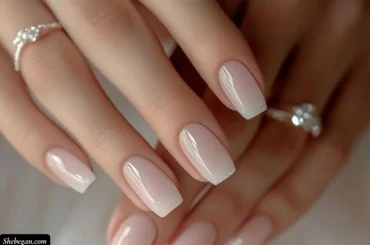

Clear nail polish is a versatile product that you can use for a variety of purposes. Some of these purposes include preventing jewelry from turning your fingers green, stopping splinters, etc. However, one common question asked about clear nail polish is; can clear nail polish be used as a sealant?
Yes, clear nail polish can be used as a sealant. It’s a durable and water-resistant finish that can protect your nail surface from scratches, chipping, and fading. However, you should note that clear nail polish is not a suitable sealant for all applications.
Therefore, in this blog post, you will discover when and when not to use clear polish as a sealant. I will also provide you with the pros and cons of using nail polish as a sealant.

How To Use Clear Nail Polish As A Sealant
Here’s how you can use clear nail polish as a sealant:
1. Get a good clear nail polish and other supplies
Make sure you have everything you need before you start. You will require clear nail polish and the item or surface you want to seal. You should check that your nail polish is in good condition and hasn’t dried out.
2. Prepare the surface
You should ensure that the surface you intend to seal is clean and free from any dirt, dust, or debris. If necessary, you should wipe it down with a clean, damp cloth and allow it to dry completely.
3. Apply the nail polish
Open the clear nail polish bottle and carefully dip the brush into the polish.
Begin applying the nail polish to the area you want to seal. Start from one edge and work your way to the other, using smooth and even strokes.
Meanwhile, you should avoid applying the polish too thickly, as it can lead to uneven drying and a less effective seal.
4. Allow it to dry
After applying the nail polish, you should be patient and allow it to dry completely. The drying time can vary based on the thickness of the layer. So, it’s essential that you resist the temptation to touch or disturb the drying polish during this time.
5. Apply additional coats if necessary
If you want added durability, you can apply additional coats of nail polish. You should wait for each layer to dry completely before applying the next.
For most sealing purposes I have done, two to three thin coats are often sufficient.
6. You should inspect and reapply (If necessary)
Once the sealant has dried, you should carefully inspect the sealed area for any imperfections or areas that may need touch-ups. If you find any issues, reapply the clear nail polish as needed and allow it to dry.
5 Pros Of Using Clear Nail Polish As A Sealant

1. It’s durable and water-resistant
Most clear nail polishes are known for their durability and resistance to moisture. When you use it as a sealant, it creates a protective barrier that can make your nails withstand exposure to water. This makes it an excellent choice for sealing surfaces and items, especially those that need to be water-resistant.
2. It’s easy to apply
One of the most significant advantages of using clear nail polish as a sealant is its ease of application. The built-in brush in the nail polish bottle offers you a precise and controlled application, even in small areas. This makes it easier for your use, regardless of whether you are a beginner or not.
3. It’s inexpensive
Clear nail polish is an incredibly affordable solution for sealing various materials and surfaces. Unlike some specialized sealants or coatings, nail polish is readily available at an affordable price point. This affordability makes it an attractive choice for most ladies on a budget.
4. It dries quickly
Clear nail polish typically dries quickly, allowing you to complete your sealing project in a shorter amount of time. This can be good when you are working on projects with tight deadlines or when you need a speedy solution.
5. It offers a transparent finish
As you may notice from the name, clear nail polish dries to a transparent finish. This means it won’t alter the appearance of the material or surface you are sealing, making it ideal for your projects, especially those where aesthetics are essential.
4 Cons Of Using Clear Nail Polish As Sealant
1. It offers you limited thickness and coverage
Typically, clear nail polish is designed for use on nails, which means it’s formulated to be relatively thin. When you use it as a sealant, it may not provide you with the level of thickness or coverage required for some sealing tasks. Thicker sealants may be necessary if you are working on projects that demand a large barrier against moisture or environmental factors.
2. They have a shorter lifespan on high-wear Items
Clear nail polish may not hold up well on items or surfaces subjected to high levels of wear and tear. In these cases, the sealant can wear off relatively quickly and you may need to frequently reapply. This can be inconvenient and may not be an affordable solution in the long run.
3. They are not suitable for all applications
While clear nail polish is versatile, it is not suitable for all sealing applications. It may not provide you with adequate protection for high-stress areas or surfaces that require specialized sealants, such as automotive or industrial projects. Additionally, it may not adhere well to certain materials, limiting its effectiveness in specific DIY projects.
4. It can be difficult to remove
Clear nail polish, once applied and dried, can be challenging to remove from surfaces or items. This can be a disadvantage if you need to make adjustments or if the sealant needs to be replaced. Removing it may require you to use nail polish remover or other chemical solvents, which can be harsh on certain materials and surfaces.
When To Use Clear Nail Polish As A Sealant
1. Jewelry preservation
Clear nail polish is excellent for sealing the metal components of jewelry, such as clasps and findings, to prevent tarnish and maintain their shine. It also creates a protective barrier over rhinestones or costume jewelry. Using it can help you prevent damage due to moisture exposure.
2. Thread and fabric sealing
When sewing, clear nail polish can effectively seal thread knots, preventing them from untangling. You can also use it to seal fabric edges to prevent fraying. This is particularly handy when you are working with delicate fabrics or on small sewing projects.
3. For quick fixes on household items
You can use clear nail polish to seal minor chips in porcelain or ceramics and secure loose screws by locking them in place. Also, you can use it to prevent rust on small metal items like keys.
5. Paper and cardstock projects
For paper crafts, like handmade cards or scrapbooking, you can use clear nail polish to reinforce paper edges, making them more durable. It also adds a glossy finish to your paper, thus enhancing its appearance.
When Not To Use Clear Nail Polish As A Sealant
1 Outdoor or harsh environments
In environments with extreme temperatures, exposure to chemicals, or prolonged sunlight, clear nail polish may degrade or lose its effectiveness. So, you should use appropriate outdoor sealants for projects that will face these conditions.
2. Large surface areas
Clear nail polish is designed for precision and is best suited for sealing small areas or intricate details. You shouldn’t use it for sealing large surface areas as it won’t be effective.
3. Sensitive skin or allergies
When you are using clear nail polish, be cautious if you have sensitive skin or allergies to chemicals commonly found in nail polish. It’s essential that you work in a well-ventilated area and avoid skin contact or inhalation of fumes.

Final Words
Yes, clear nail polish can be used as a sealant. However, not in all cases. There are instances when you shouldn’t use clear nail polish as a sealant. Such as when you are working in outdoor/harsh environments or you have sensitive skin.
Meanwhile, using clear nail polish as a sealant is a practical choice. It’s durable, affordable, and easy to apply. However, you should be careful when using it, especially when you have sensitive skin.