

I’ve laid my hands on several natural oils as a nail technician and I must say Jojoba oil is truly effective. Derived from the seed of the jojoba plant, jojoba oil is rich in vitamins, chromium, copper, and zinc. Given these properties, I wasn’t surprised when my client asked the question; Is jojoba oil good for nails? My reply was simple and short.
Yes, jojoba oil is good for nails due to its vitamin E content which is an antioxidant that can protect the nails from damage and infection. In addition to that it has a similar chemical structure to the natural oil (sebum) that our skin produces. This means that it can easily penetrate the nail plate and the surrounding skin, delivering moisture and nutrients to them.
In this blog post, I’ll explore the advantages of jojoba oil for nail health, practical application tips, and address the common query about its effectiveness.

How to Use Jojoba Oil for Nail Care
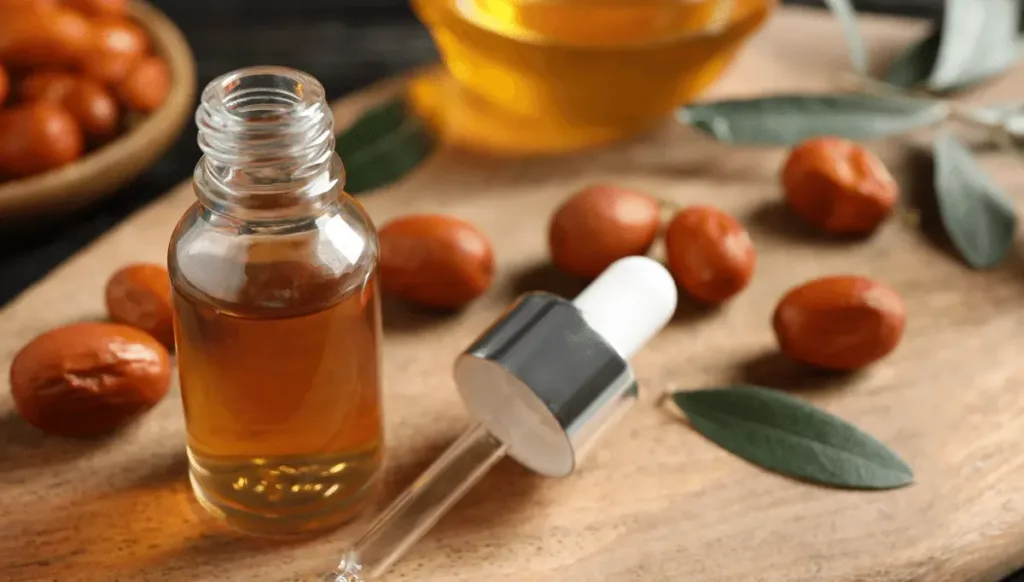
Incorporating jojoba oil into your nail care is pretty easy. Try out the following techniques;
1. Apply directly on your nails
Begin by ensuring your nails are clean and dry. Apply a small amount of jojoba oil directly to your nails and cuticles. Gently massage the oil in circular motions, allowing it to absorb thoroughly. This direct method is ideal for quick and targeted nail hydration.
2. Soak nails in jojoba oil for intensive care
For a more immersive treatment, create a nail soak with jojoba oil. Fill a small bowl with warm water and add a few drops of jojoba oil. Soak your nails in this solution for 10-15 minutes, allowing the oil to penetrate deeply. This method provides intensive hydration and is particularly beneficial for nourishing both nails and cuticles.
3. Frequent application
The frequency of jojoba oil application depends on your individual needs and the condition of your nails. For general maintenance, applying jojoba oil 2-3 times a week is often sufficient. If your nails are prone to dryness or brittleness, consider more frequent application for optimal results.
4. Combine with other nail care products
Jojoba oil can complement other nail care products in your routine. If you use nail strengtheners or moisturizers, consider incorporating jojoba oil as a pre-treatment or as an additional layer for enhanced benefits. This combination approach can amplify the overall effectiveness of your nail care regimen.
5. Overnight treatment for deep hydration
For a deeply hydrating treatment, apply jojoba oil to your nails before bedtime. Massage the oil thoroughly and cover your nails with cotton gloves or socks to allow the oil to work its magic overnight. This extended application time maximizes absorption, leaving you with noticeably nourished and revitalized nails in the morning.
Tips for Maximum Effectiveness of Jojoba Oil
To get the best result;
- Trim your nails before application to ensure the oil reaches the entire nail surface.
- Use a soft brush to gently exfoliate your nails before applying jojoba oil for better absorption.
- Be consistent with your application routine for sustained benefits over time.
Benefits of Jojoba Oil to the Nails
Here are some of the ways your nails benefit from jojoba oil;
1. It creates moisture balance
Jojoba oil serves as a potent moisturizer for your nails, deeply penetrating the nail bed to combat dryness and brittleness. Its composition, mimicking your skin’s natural oils, imparts lasting suppleness and addresses the fundamental issue of nail dehydration.
2. Prevention of fungal infections
The natural antifungal properties of jojoba oil act as a preventive measure against fungal infections that can affect the nails. Regular use helps maintain a clean and healthy nail environment.
3. Reduces inflammation
Jojoba oil possesses anti-inflammatory properties that can alleviate inflammation around the nails. This is particularly beneficial for individuals prone to nail bed swelling or irritation.
4. Cut down on brittle nails
In addition to preventing brittleness, jojoba oil can contribute to reducing the occurrence of brittle nails over time. Its consistent application aids in creating a more robust and resilient nail structure.
5. Promotes nail strength and durability
Promoting growth and durability, jojoba oil delivers essential nutrients to your nail bed, reducing the likelihood of breakage and fostering a foundation for longer, healthier nails. This dual action of moisturizing and strengthening ensures a comprehensive approach to your nail care.
6. It helps nourish the cuticles
Jojoba oil’s emollient properties extend to nourishing your cuticles. This not only enhances the overall appearance of your nails but also simplifies nail maintenance, contributing to the well-being of the entire nail structure.
7. Natural protective shield
The innate protective properties of jojoba oil act as a shield for your nails against external stressors. This safeguarding effect ensures that your nails remain resilient and undamaged, preserving their natural beauty over time and contributing to long-term nail health.
8. Enhances flexibility
Jojoba oil goes beyond moisturizing and strengthening, contributing to enhanced flexibility in your nails. This quality minimizes the risk of cracks and breaks, allowing your nails to maintain a graceful and enduring appearance.
9. Promotes blood circulation
The application of jojoba oil stimulates blood flow to the nail bed, promoting better circulation. Improved circulation is essential for optimal nail health, aiding in the delivery of nutrients and oxygen to support overall nail vitality.
Possible Side Effects of Jojoba Oil
Although jojoba has its benefits it is not without side effects. Here are some of the possible side effects of jojoba oil;
1. Potential allergic reactions
Before incorporating jojoba oil into your nail care routine, it’s essential to be aware of the potential for allergic reactions. While rare, some individuals may be sensitive to jojoba oil, leading to skin irritation, redness, or itching. Conduct a patch test on a small area to ensure compatibility before widespread use.
2. Safe usage guidelines
To maximize the benefits of jojoba oil and minimize any potential side effects, adhere to safe usage guidelines. Apply a moderate amount to your nails and cuticles, avoiding excessive use. Excess oil may lead to an oily residue on your nails, potentially causing inconvenience and reducing the effectiveness of the treatment.
3. Quality matters
When selecting jojoba oil for nail care, prioritize high-quality, pure formulations. Ensure that the product is free from additives or contaminants that could cause adverse reactions. Opting for a reputable brand enhances the likelihood of a positive and safe experience with jojoba oil.
4. Consultation with a dermatologist
If you have a history of skin allergies or dermatological concerns, consult with your dermatologist before incorporating jojoba oil into your routine. They can provide personalized advice based on your skin type and medical history, ensuring a tailored approach to your nail care.
5. Avoiding ingestion
While jojoba oil is generally safe for external use, it is not intended for ingestion. Ensure that you apply the oil topically and avoid accidental ingestion, as consuming jojoba oil can lead to digestive discomfort.
6. Storage considerations
Properly store your jojoba oil in a cool, dark place to maintain its efficacy and prevent rancidity. Exposure to excessive heat or light may compromise the oil’s quality and increase the likelihood of irritation upon application.
5 Other Natural Oil to Use on Your Nails Instead of Jojoba Oil
In case you don’t have access to jojoba oil there are other readily available alternatives you can lay your hands on. Some of them are the following;
1. Sweet almond oil
Sweet almond oil is a rich source of nourishment for your nails, offering a similar set of benefits to jojoba oil. Packed with vitamin E, it promotes nail strength and resilience. Apply sweet almond oil directly to your nails and cuticles for a natural boost in moisture and nutrients.
2. Argan oil
Known as “liquid gold,” argan oil is celebrated for its moisturizing and strengthening properties. High in antioxidants, it helps protect your nails from environmental damage. Massage a few drops of argan oil onto your nails for enhanced hydration and improved nail health.
3. Coconut oil
Another oil is coconut oil. Coconut oil offers deep hydration and promotes healthy cuticles. Its natural antifungal properties can also help prevent common nail issues. Apply melted or solidified coconut oil to your nails, gently massaging it in for comprehensive nail nourishment.
4. Olive oil
A common kitchen staple, olive oil doubles as an effective nail treatment. Rich in vitamins and antioxidants, olive oil strengthens and moisturizes your nails. Soak your nails in warm olive oil for 15-20 minutes or apply it directly for a simple yet potent nail care remedy.
5. Castor oil
In addition to olive oil, try castor oil. Its thick consistency provides a protective that prevents nail breakage. To use, massage castor oil into your nails and cuticles to promote growth and maintain optimal moisture levels.

Summary
Jojoba oil is good for promoting nail health. Its natural composition, rich in vitamins and minerals, makes it a standout choice for those seeking to nurture and strengthen their nails. From its moisturizing properties that combat dryness to its role in preventing nail breakage and promoting growth, jojoba oil offers a holistic solution for nail care.