
A lot of times, when you want to remove your nail polish, and you are out of nail polish remover, you might probably get the suggestion to use isopropyl alcohol. However, before using it, you might be curious enough to want to know, is Isopropyl alcohol nail polish remover?
Isopropyl alcohol is not typically meant to be used as a primary nail polish remover, but it can help in some situations. Nail polish removers primarily contain solvents specifically designed for nail polish removal.
While isopropyl alcohol, commonly known as rubbing alcohol, can be used as an alternative, it is quite different from nail polish remover. I will give you the difference between the two, and I will also answer other relevant questions you might have regarding the use of isopropyl alcohol as a nail polish remover.

Difference Between Isopropyl Alcohol And Nail Polish Remover
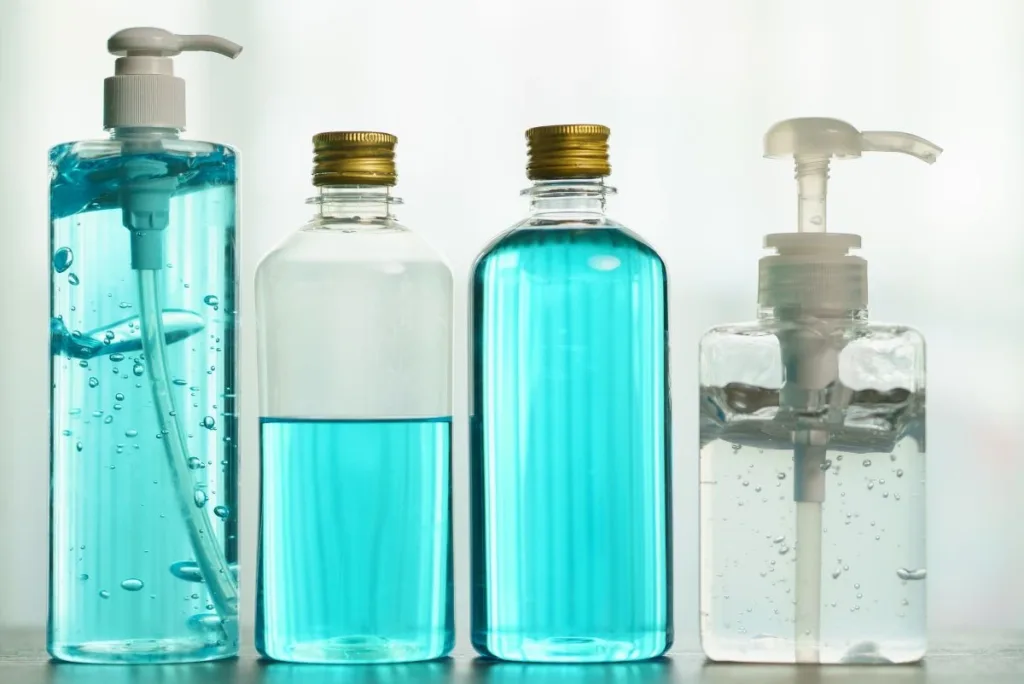
1. Their composition is different
Isopropyl alcohol is a type of rubbing alcohol that comes in different concentrations, with 70% and 91% being common for household use, and it may include water or other additives.
Meanwhile, nail polish removers contain acetone, ethyl acetate, or other nail polish dissolving agents, along with additional ingredients to help protect and moisturize the nails. It usually comes in acetone-based and acetone-free formulations, with the acetone-free variants being milder but less effective at dissolving certain types of nail polish.
2. They are used for different purposes
Isopropyl alcohol is used for various household, medical, and industrial purposes beyond nail care. It is commonly used for cleaning, disinfecting, and sanitizing. It is not primarily intended for nail polish removal. Nail polish remover, on the other hand, is specifically formulated to dissolve and remove nail polish.
It is exclusively designed to remove nail polish from fingernails and toenails and does not have other typical household uses. Isopropyl Alcohol is a type of alcohol primarily used as an antiseptic and disinfectant. It’s often used for cleaning surfaces and medical equipment.
3. They have different drying effects
Isopropyl alcohol can be drying to the nails and cuticles due to its strong solvent properties. While nail polish removers don’t, even some nail polish removers are formulated with added moisturizing ingredients to minimize the drying effect on nails and cuticles.
4. Their odor differs
Isopropyl alcohol has a distinct, often strong, alcohol-like odor. While nail polish removers may have a milder, more pleasant scent due to the addition of fragrances to mask the strong chemical smell.
5. Difference in prices
Isopropyl alcohol is generally more affordable and widely available, as it serves various household and medical purposes. But nail polish remover, being a specialized product, tends to be more expensive per ounce compared to isopropyl alcohol.
While these additional differences highlight various aspects of isopropyl alcohol and nail polish remover, it’s essential to choose the product that best suits your intended use, whether it’s general cleaning and disinfecting with isopropyl alcohol or specific nail polish removal with a dedicated nail polish remover.
Can I Use Isopropyl Alcohol Instead of Nail Polish Remover?
In a pinch, you can use isopropyl alcohol (commonly known as rubbing alcohol) as a substitute for nail polish remover. Isopropyl alcohol can help remove nail polish, especially if you don’t have nail polish remover readily available.
However, Isopropyl alcohol is not an effective substitute for nail polish remover. It may need help to remove stubborn or dark-colored nail polishes, and it might take more effort and time. Also, isopropyl alcohol can dry your nails and cuticles due to its strong solvent properties.
Depending on the type of nail polish you’re trying to remove, isopropyl alcohol may leave a residue. You should clean your nails thoroughly after using it. Also, It’s essential to moisturize your nails and cuticles after using it. It should also be used in a well-ventilated area due to its fumes.
For regular and effective nail polish removal, it’s best to use a dedicated nail polish remover. These products are specifically formulated to dissolve and remove nail polish quickly and efficiently without overly drying your nails.
Isopropyl alcohol can be a temporary solution when you have no other options, but it’s not the best choice for consistently removing nail polish.
How to Use Isopropyl Alcohol to Remove Nail Polish
Using isopropyl alcohol to remove nail polish is possible, but it may not be as effective as using nail polish remover. Here are the steps to use isopropyl alcohol for nail polish removal:
- Work in a well-ventilated area, as isopropyl alcohol can produce fumes. Cover your work surface with a disposable cloth or paper towel to catch any spills.
- Moisten a cotton ball or pad with isopropyl alcohol. You want it to be damp but not dripping.
- Place the alcohol-soaked cotton ball or pad onto your nail. Press down gently and hold it in place for a few seconds to allow the alcohol to soften the nail polish.
- Gently rub the cotton ball or pad over the nail, starting from the base and moving toward the tip. The nail polish should start to dissolve and transfer onto the cotton.
- Depending on the type of nail polish and its thickness, you may need to repeat the process on each nail.
- After removing the polish, clean your nails with a fresh cotton ball or pad soaked in isopropyl alcohol to remove any residue.
- Isopropyl alcohol can dry your nails and cuticles. After nail polish removal, it’s essential to moisturize your nails and cuticles with a nail or hand cream.
Using isopropyl alcohol is a suitable solution when you don’t have regular nail polish remover on hand, but it requires more effort and time. Additionally, it’s not the best option for removing stubborn or dark-colored nail polishes.
Substitutes For Using Isopropyl Alcohol to Remove Nail Polish
if you’re looking for alternatives to isopropyl alcohol when you want to remove your nail polish, here are some options you can consider the following:
1. Nail polish remover
The most effective and common choice for removing nail polish is dedicated nail polish remover, which contains acetone or non-acetone solvents. These are formulated to dissolve and remove nail polish quickly.
However, the non-acetone nail polish removers are milder and less harsh on the nails. They are effective for regular nail polish but may require a bit more effort to remove certain types of polish.
2. Acetone
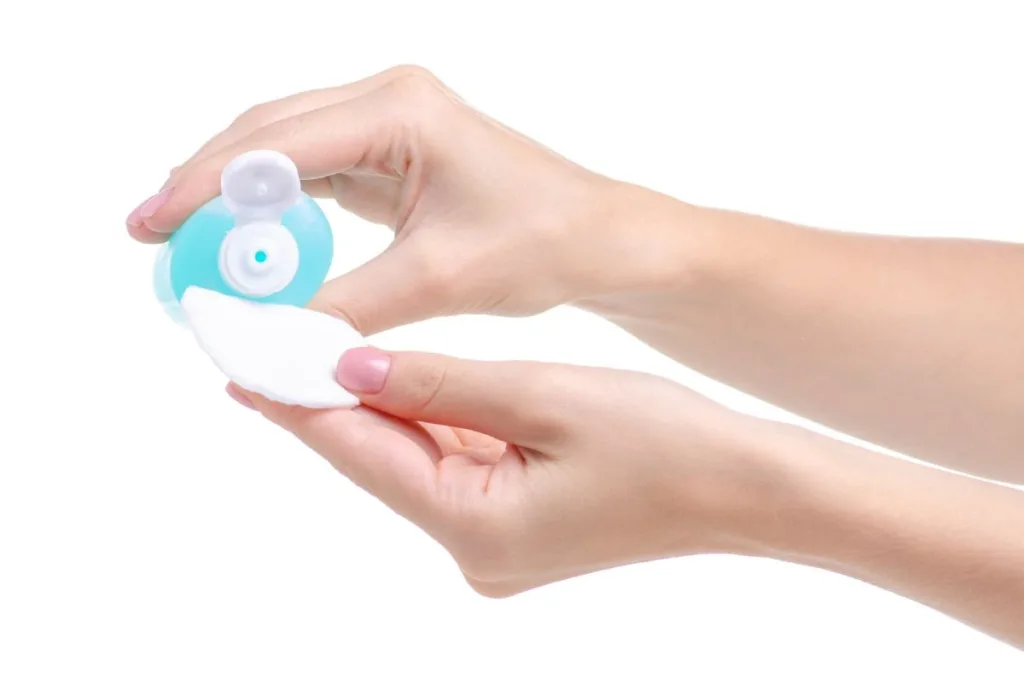
If you don’t want to use isopropyl alcohol and you don’t have nail polish remover, acetone is another substitute you can go for. Acetone, which is usually available in hardware stores and some pharmacies, is a potent nail polish remover that’s highly effective at dissolving nail polish.
It’s a strong option but can be harsh on nails and cuticles, so moisturize after use.
3. Ethyl acetate
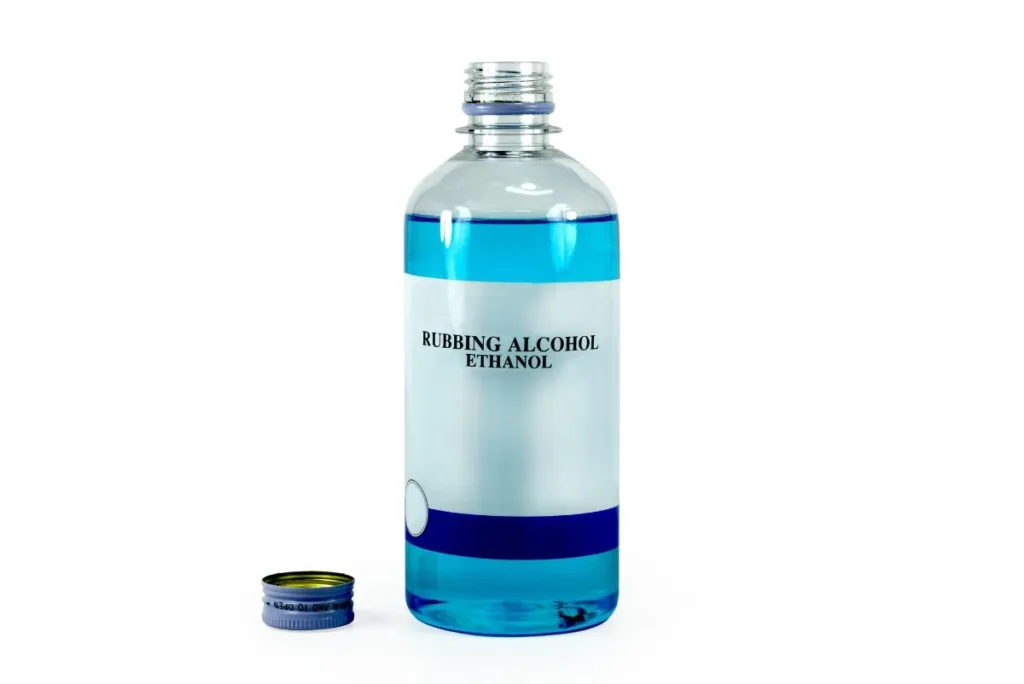
Ethyl acetate, also known as ethyl alcohol, is another chemical solvent suitable as a substitute for isopropyl alcohol in many applications. It’s used in some nail polish removers, particularly in non-acetone formulations. It’s less aggressive than acetone but still effective.
Ethyl acetate can be used as a disinfectant and antiseptic. It’s often used in hand sanitizers and medical settings.
4. Vinegar
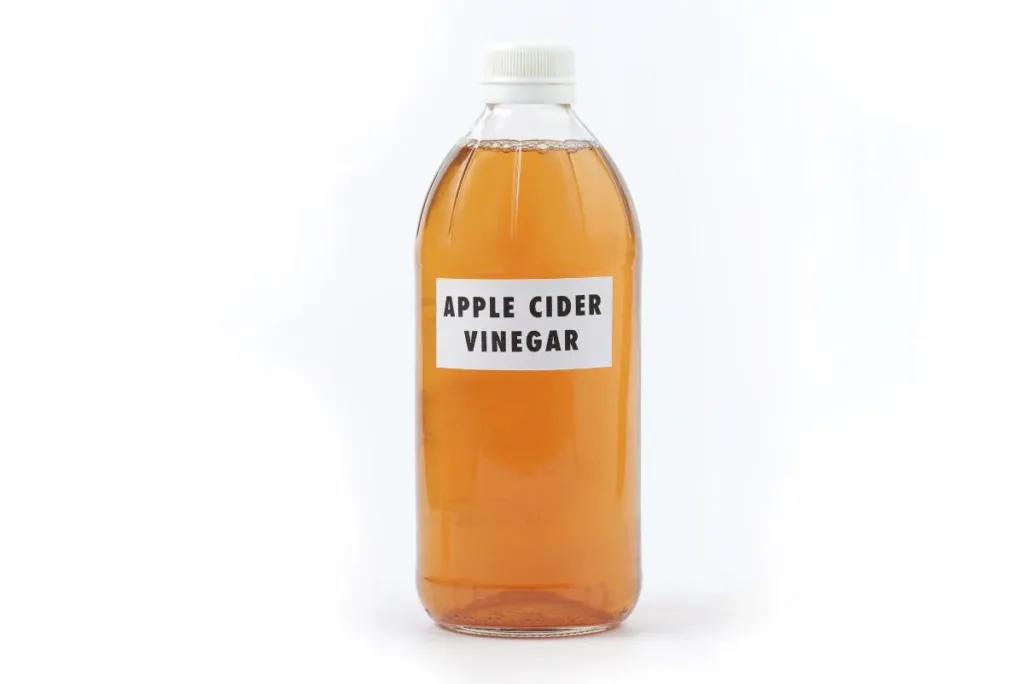
White vinegar (acetic acid) is a natural disinfectant and cleaner. It can be used as a makeshift nail polish remover, but it may require more effort and patience. To use it, you have to soak a cotton ball or pad in vinegar and rub it over the nail to dissolve the polish gradually.
It’s also often used for cleaning glass and countertops and even as a fabric softener in laundry.
5. Lemon juice
Lemon Juice: Lemon juice, due to its acidic nature, can be used to break down nail polish. For removing nail polish, soak a cotton ball or pad in lemon juice and use it to rub off the nail polish.
When using these alternatives, keep in mind that they may require more time and effort than dedicated nail polish remover, especially for removing dark or stubborn nail polish. Moisturize your nails and cuticles after using these substances to counteract any drying effects.

Frequently Asked Question
Is isopropyl alcohol the same as nail polish remover?
Isopropyl alcohol and nail polish remover are not the same, although they share some similarities. Nail polish remover is a product specifically formulated to dissolve and remove nail polish from fingernails and toenails. While, isopropyl alcohol can be used as a makeshift nail polish remover.
In Summary
While isopropyl alcohol can be used as a makeshift nail polish remover in certain situations, nail polish remover is the more effective and suitable choice for the specific task of removing nail polish from your nails. It is designed to dissolve nail polish quickly and efficiently without overly drying the nails and cuticles.