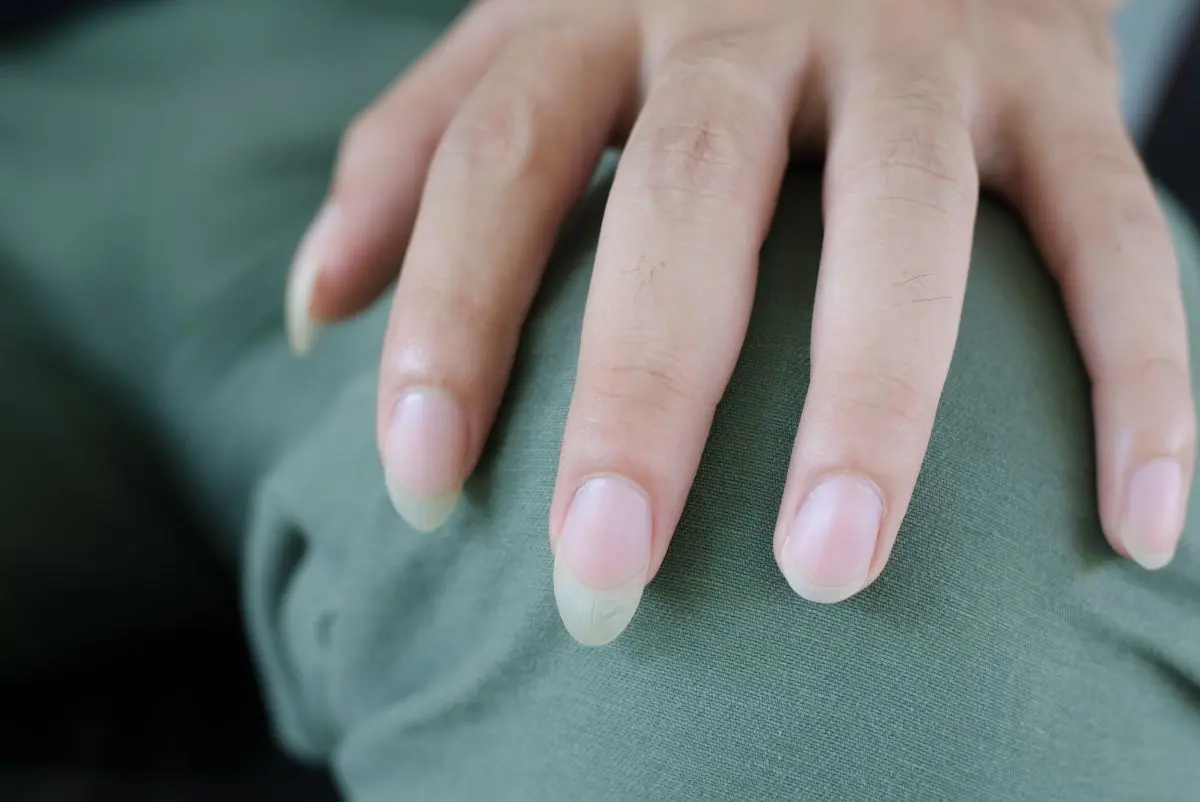
Have you ever wondered what happens to your fingernails after they are clipped? Or come across people composting nail clipping to be used for manure and you are like are fingernails biodegradable?
Yes, fingernails are biodegradable and can transform into manure for plants as they are made up of keratin, which is rich in protein. Nails are organic, just like other parts of our body, which are biodegradable.
Usually, people pay attention to beautifying their nails while they are still intact. However, most people don’t seem to care about what the fate of a cutoff nail is.
But, if you have ever looked at your fingernails and wondered if they tell a story beyond just aesthetics, in this article, I will take you through common knowledge you need to have about your nail clippings, the realm of fingernail biodegradation, how to decompose and a whole lot.
- Reasons Why Nail Clippings Are Biodegradable
- Tips For Proper Fingernails Biodegradation
- How Long Does It Take For Fingernails To Decompose?
- Why Do Fingernails Take a Long Time To Decompose?
- 3 Method To Decompose Fingernails
- Can Nail Clippings Be Used?
- What To Do With Fingernails Clippings?
- Can You Compost Nail Clippings?
- Frequently Asked Questions
Reasons Why Nail Clippings Are Biodegradable
Biodegradability refers to the ability of a substance to break down naturally into harmless components through the actions of living organisms. In the case of fingernails, their composition plays a great role in determining whether they qualify as biodegradable.
Nail clippings consist primarily of a protein called keratin. Keratin is a tough and fibrous protein found in various parts of the body, including nails, hair, and the outer layer of skin. Keratin is naturally biodegradable due to its organic and proteinaceous nature. Therefore, the composition of nail clippings makes them biodegradable.
Some other reasons why fingernail clippings are biodegradable include the following;
- Microbial activity i.e. the activities of microorganisms, such as bacteria and fungi, makes biodegradation of nail clipping possible. They secrete enzymes that break down complex molecules into simpler compounds that can be absorbed by the environment.
- Nail clippings naturally decompose due to the climatic conditions they are subjected to they are disposed of.
- Time is another reason why nail clippings decompose; once the nail has been clipped off after some years, it decomposes naturally.
Tips For Proper Fingernails Biodegradation
1. Clean clippings
Make sure the fingernail clippings are clean and free from any dirt, lotions, oils, or nail polish before attempting to decompose them.
2. Remove non-biodegradable materials
Remove any nail polish, acrylic, gel, or other synthetic materials from the clippings before attempting decomposition. These materials are not biodegradable and should not be added to compost or natural decomposition.
3. Mix with other organic matter
If you’re composting, mix the nail clippings with other organic materials like kitchen scraps, leaves, and yard waste to balance the compost pile.
How Long Does It Take For Fingernails To Decompose?
In general, the period for fingernail biodegradation is between five to forty years; however, the decomposition time for fingernails can vary significantly.
In ideal conditions, keratin-rich materials like nails can take less than five years to degrade fully, but in less conducive environments, the process might extend to many years.
Nail biodegradation is shaped by the environment and microbes. Here are some different environmental settings or conditions and how long it takes nail clippings to biodegrade.
- In most desirable settings, where warmth and moisture fuel microbial feasting, nails transform within a decade.
- In the presence of heat and moisture, it can take between five and 40 years before the nails completely decompose.
- In a cool, dry place such as a tomb. Here, degradation spans decades, as nails keep getting tough’s embrace, and good examples are mummies with intact fingernails found in Egypt tombs.
- In harsher climes, like deserts, the degradation proceeds at an exponential rate, i.e. at a rate equal to the quantity of nail clipping degrading.
Why Do Fingernails Take a Long Time To Decompose?
While keratin itself is biodegradable, the time of decomposition depends on various factors such as environmental conditions, microbial activity, and the presence of other substances. Therefore, it can be said that fingernails are biodegradable, but the process might take longer than you think.
This is because fingernails are also designed to resist environmental factors that aid biodegradation as a result of keratin present in them, but you might wonder if this is the same keratin that is naturally biodegradable.
Anyway, the reason for this resilience of keratin arises from its very purpose: to protect the sensitive tips of our fingers.
This durability, while advantageous for the role it plays during their lifetime, can also slow down the biodegradation process. The tightly packed structure of keratin fibers and their resistance to microbial attack create a natural barrier that microbes must first break through before they can commence their feast.
This initial resistance is the reason for a longer period of decomposition, as the keratin must undergo breakdown from microorganisms.
3 Method To Decompose Fingernails
Fingernails are made of keratin, a naturally biodegradable protein. If you’re interested in decomposing fingernails, here’s how you can do so in an environmentally friendly way:
1. Through compost pile or bin
If you have a compost pile or bin, you can add fingernail clippings to it. Make sure the clippings are clean and free from any nail polish, acrylic, gel, or other non-biodegradable materials.
2. By burying
You can bury fingernail clippings in your garden or yard. Dig a small hole and bury the clippings a few inches below the surface. This allows natural decomposition to take place.
3. Through natural decay
Simply leaving fingernail clippings outdoors can also lead to natural decay over time. Place them in a spot where they won’t be disturbed and let nature take its course.
Can Nail Clippings Be Used?
Interestingly, nail clippings can find innovative uses. Keratin extracted from nails has other usefulness in various industries, including agriculture and cosmetics. These nail clippings, after they decompose, are usually used as manure for plants and other purposes.
What To Do With Fingernails Clippings?
1. Composting for soil nutrient
Instead of disposing of nail clippings in the sink or trash, consider composting them. While composting might not be as swift as disposing of organic kitchen waste, nail clippings eventually break down in compost piles.
Their keratin content contributes nitrogen to the compost mix, aiding in the creation of nutrient-rich soil amendments for gardens.
2. Crafty creations
Nail clippings, with their keratin abundance, have potential creative applications. Some artisans use sterilized nail fragments as inlays for woodworking projects or incorporate them into jewelry. By giving your clippings a second life as art, you transform waste into something unique and captivating.
3. Scientific sampling
In certain scientific contexts, nail clippings can serve as valuable specimens. Analyzing their composition can offer insights into your health, lifestyle, or exposure to certain elements. Properly preserved nail samples might provide a window into your personal history, leaving a different kind of mark on the scientific landscape.
Can You Compost Nail Clippings?
Yes, nail clippings can be composted as a result of their organic nature. Nail clippings from natural nails (without acrylic, gel, or polish) are the best to compost. You can add nail clippings to your backyard compost pile or bin. They will break down along with other organic materials like kitchen scraps, leaves, and yard waste
Frequently Asked Questions
Can you flush nails down the toilet?
Flushing nails isn’t recommended, as they can clog pipes and contribute to plumbing problems.
What happens to fingernails after you cut them?
Once trimmed, nail clippings can end up in landfills, where their biodegradation process begins.
Are nails organic waste?
Yes, nails fall under the category of organic waste due to their natural composition.
Is it okay to put nail clippings down the sink?
While it may be tempting to wash nail clippings down the sink, it’s not an eco-friendly option. Keratin does break down, but the plumbing system and water treatment facilities might not efficiently handle these clippings. It’s better to dispose of them in a more responsible way
Conclusion
The journey of fingernails doesn’t end with their trimming. As we’ve discovered, fingernails are indeed biodegradable, but the pace of their decomposition can be influenced by a range of factors.
Instead of discarding them carelessly, considering their disposal’s environmental impact is a step towards responsible waste management. The next time you clip your nails, remember the story behind these tiny fragments and the larger impact they can have on our planet’s health.
For further reading on fingernail biodegradability, visit:
- https://www.conserve-energy-future.com/can-you-compost-nail-clippings.php
- https://www.aad.org/dw/monthly/2023/april/clinical-applications-can-nail-clippings-save-lives
- https://gardeningmentor.com/are-fingernails-good-for-plants/
- https://fflm.ac.uk/wp-content/uploads/2020/12/ARCHIVED-Recommendations-for-Collecting-Nail-Clippings-for-Toxicology-Dr-F-Perry-June-2017.pdf