
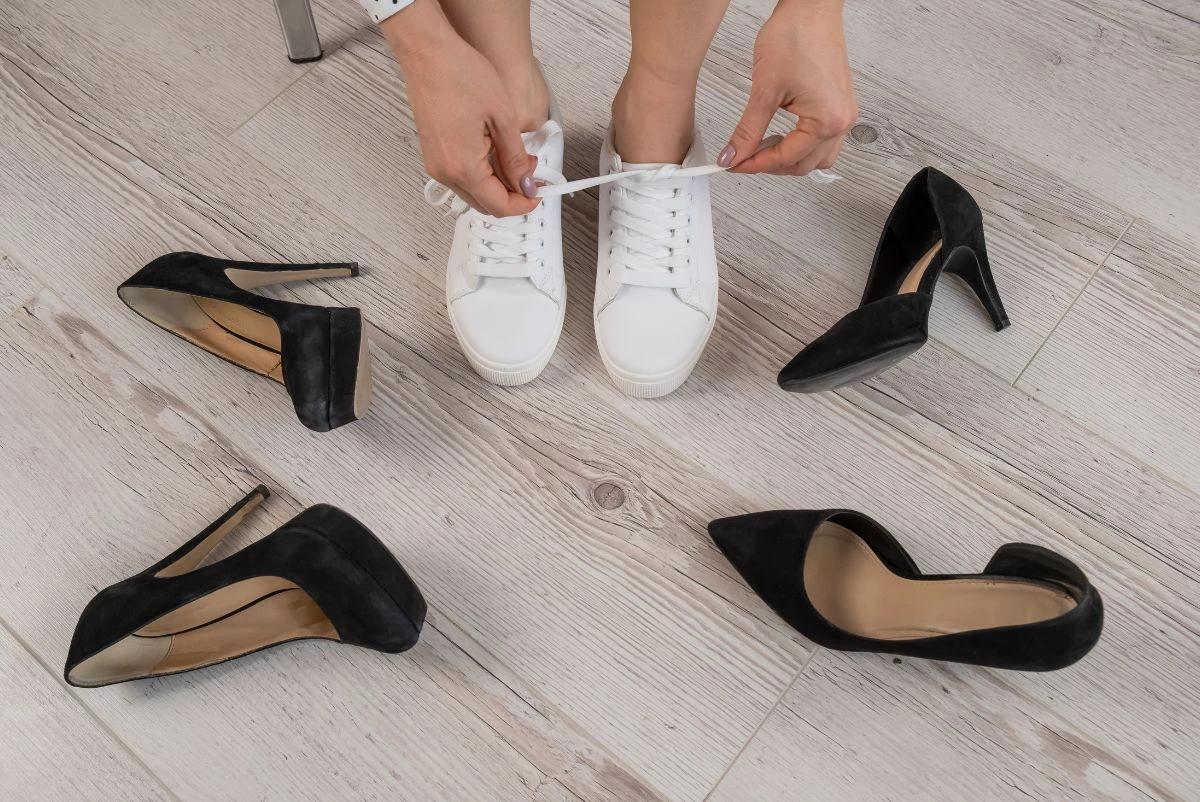
Both heels and sneakers are footwear, but most people get confused after they realize that the size of their heels is different from the sneakers. Therefore, they ask questions like, are heels the same size as sneakers?
Not necessarily. You may wear the same numerical size in both, but you should not assume that your usual sneaker size will fit every pair of heels.
Shoe sizing can vary between brands and styles, while the shape, width, toe box and construction of a shoe can also affect how it feels on your feet. The best approach is to check the specific brand’s size guide and make sure the shoe fits comfortably rather than choosing a size based only on the number.
If you are wondering whether to size up or down, why your heels feel different from your sneakers, or how a pair of heels should fit, I will explain that in this article.
- Are Heels the Same Size as Sneakers?
- Why Your Heel Size May Differ From Your Sneaker Size
- Should You Buy Heels in the Same Size as Your Sneakers?
- Do You Size Up or Down for Heels?
- How Should Heels Fit?
- Does Heel Type Affect Shoe Fit?
- What Are the Main Differences Between Heels and Sneakers?
- Types of Sneakers
- How To Measure Your Feet for Shoes
- How To Choose the Right Heel Size When Shopping Online
- Frequently Asked Questions
- Final Thoughts
Are Heels the Same Size as Sneakers?
Heels and sneakers can be the same numerical size, but they do not always fit the same way.
For example, you could wear a particular size in your everyday sneakers and find that the same size works perfectly in one pair of heels but feels too tight or loose in another. This does not necessarily mean that you need a different standard shoe size. The brand, style, width and shape of the shoe can all affect the fit.
The American Podiatric Medical Association notes that shoe sizes can vary from brand to brand, so shoppers should focus on how the shoe fits rather than getting too caught up in the number.
So, should you use your sneaker size when buying heels? Use it as a starting point, not a guarantee. Check the heel’s size chart and pay attention to how the shoe fits your foot.
Why Your Heel Size May Differ From Your Sneaker Size
There are several reasons why the same size may feel different in a heel and a sneaker.
1. Different Brands Use Different Sizing
A size from one footwear brand may not fit exactly like the same size from another. This is one reason it is risky to buy every pair of shoes based on a number you normally wear.
If you are buying heels online, check the brand’s own size chart before ordering. If customer reviews mention that a particular style runs narrow, wide, small or large, that information can also help you decide what to try.
2. Shoe Shape Can Change the Fit
Two shoes can have the same length but completely different shapes. A pointed-toe pump, for example, has a very different toe area from a rounded-toe sneaker. A narrow heel can also feel more restrictive than a roomy sneaker even when both have the same numerical size.
The toe box matters too. Your toes should have enough room to sit comfortably instead of being squeezed into a shape that does not suit your foot.
3. Width Matters Too
Length is only one part of shoe fit. Your foot also needs enough width and space through the shoe. This is especially important when comparing sneakers with heels because sneakers often have more flexible or roomy designs, while some heels have a narrower construction.
4. The Construction of the Shoe Is Different
Sneakers are generally designed around walking, movement and everyday activities, while heels are constructed around a raised heel and a different foot position.
That difference can make the same numerical size feel completely different. This is why saying that everyone should automatically size up or down for heels is not a reliable rule. The particular shoe and your foot shape matter more.
Should You Buy Heels in the Same Size as Your Sneakers?
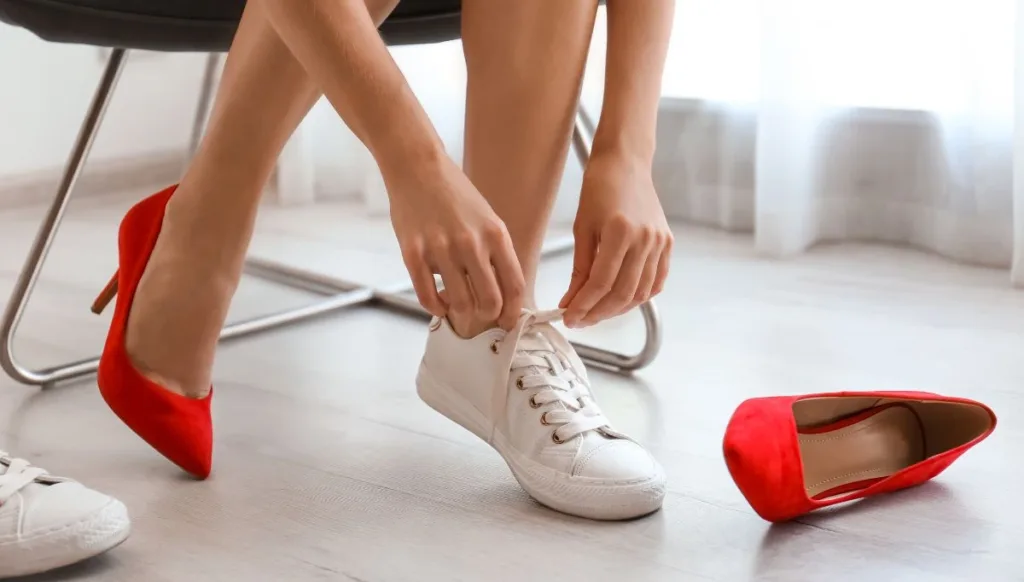
You can start with your usual sneaker size, but do not automatically buy that size without checking the fit. If you are shopping in person, try both shoes and walk around in them. If you are shopping online, check the brand’s measurement chart and return policy before buying.
Choose shoes that fit comfortably when you first try them rather than focusing too heavily on the size number. And it is recommended to buy according to the larger foot because feet are not always exactly the same size.
So, if your sneakers are a certain size, that size may work for your heels too. But the right answer depends on the specific pair.
Do You Size Up or Down for Heels?
There is no universal rule that says you should always size up or always size down for heels. Instead, look at how the shoe fits.
A heel may feel small because it has a narrow toe box, a pointed shape or a different construction. Another pair from the same brand may feel more spacious because it has a wider or rounder shape.
If you are between sizes, compare the brand’s size chart with your foot measurements and consider the shape of the shoe. You also need to think about whether the style has straps or another feature that helps keep your foot secure.
How Should Heels Fit?
A good pair of heels should feel secure and comfortable when you try them on. Your foot should not slide excessively inside the shoe, and your toes should not feel painfully cramped. The heel area should also feel secure instead of constantly slipping out.
When trying on heels, pay attention to:
- Whether your toes have enough room
- Whether the shoe feels too tight across the widest part of your foot
- Whether your heel slips excessively
- Whether your foot slides forward
- Whether the straps sit comfortably
- Whether you can stand and walk without uncomfortable pressure
Do not rely on the idea that you simply need to “break in” an uncomfortable pair.

What If You Are Between Heel Sizes?
Being between two sizes can make buying heels a little tricky, especially online. Start by measuring both feet and comparing the measurements with the brand’s size chart. If one foot is slightly larger, use the larger foot when choosing your size.
Also consider the design of the heel. A closed, pointed-toe pump can fit very differently from an open-toe sandal, even if both are labelled with the same size.
If possible, try the shoes on later in the day and walk around before deciding. Feet can change in size and shape during the day, and trying on both shoes gives you a better idea of how the pair actually feels.
Does Heel Type Affect Shoe Fit?
Yes. Different heel styles can feel very different because they do not all have the same shape, height or construction.
Here are some common types of heels you may come across.
1. High Heels
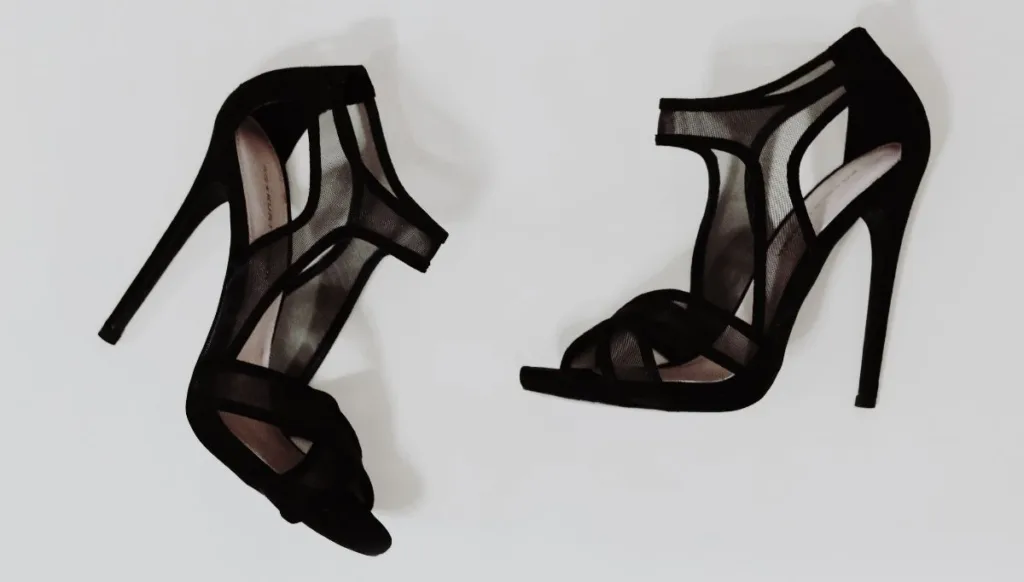
High heels raise the heel considerably above the ground and can have different toe shapes and constructions. A high-heeled shoe with a narrow or pointed toe may feel very different from a roomier style.
If you are buying high heels for the first time, focus on how securely the shoe holds your foot rather than choosing a size based only on what you wear in sneakers.
You can also read our guide on How High Are High Heels if you want to understand the different heel heights.
2. Pumps
Pumps are usually closed-toe heels and come in different shapes, heel heights and toe designs.
Because many pumps cover the front of the foot, the shape of the toe box is particularly important. A pointed pump may feel narrower than a round-toe version in the same size.
3. Kitten Heels
Kitten heels have a lower heel and are often easier to wear for situations where you do not want a very high heel.
However, a lower heel does not automatically mean that the shoe will fit your foot better. The width, toe shape and overall construction still matter.
4. Wedge Heels
Wedge heels have a heel that extends under more of the shoe instead of sitting on a narrow heel alone.
Their construction can feel different from traditional pumps or stilettos. If you are interested in comfort, you can also check out our guide on Are Wedge Heels Comfortable?.
5. Cuban Heels
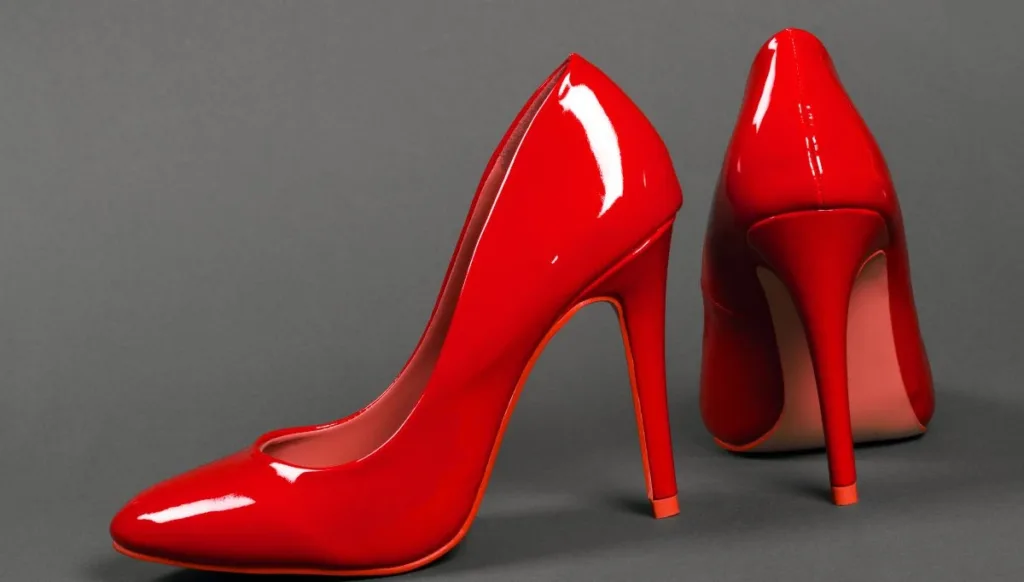
Cuban heels have a relatively thick, straight heel and are often associated with a more structured look.
As with other heel styles, the numerical size does not tell you everything about the fit. Look at the shape and width of the actual shoe.
What Are the Main Differences Between Heels and Sneakers?
The biggest difference between heels and sneakers is not necessarily the number on the size label. It is the way each type of shoe is designed.
Sneakers are commonly made for walking, exercise or everyday movement and come in many different constructions. Heels, on the other hand, are designed with an elevated heel and can have pointed, rounded, open or closed toe shapes.
Here are a few differences worth keeping in mind:
Heel height: Sneakers usually have a relatively flat sole compared with traditional heels, while heels raise the heel above the forefoot.
Toe shape: Sneakers often come in more spacious shapes, although this varies widely. Heels can have pointed, almond, square, round or open toes.
Foot position: Raising the heel changes the position of the foot inside the shoe.
Support and construction: Sneakers are available in designs made for different activities, while heels vary widely depending on their style and purpose.
Fit: Two shoes with the same numerical size can still feel completely different because of their shape, width and construction.
So, comparing a heel and sneaker by size alone does not tell the whole story.
Types of Sneakers
Sneakers come in many styles, and their fit can vary just as much as heels. Some common types include:
1. Running Sneakers
Running shoes are designed for running and other forms of movement and may include features focused on cushioning and support.
2. Walking Sneakers
Walking sneakers are designed for everyday walking and may have different cushioning and construction from running shoes.
3. High-Top Sneakers
High-top sneakers extend higher around the ankle than traditional low-top sneakers. This changes the overall construction of the shoe but does not automatically mean you need a different shoe size.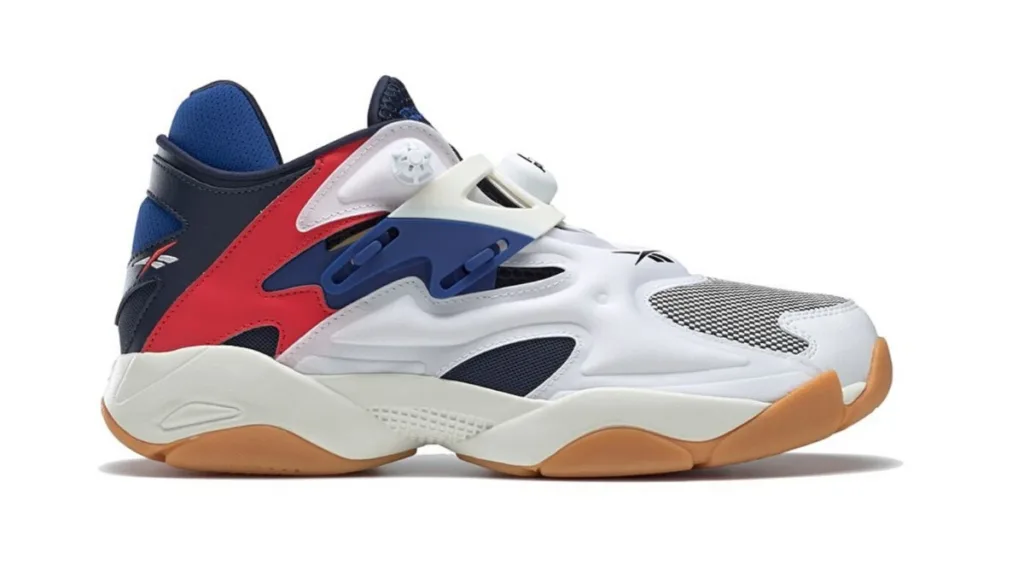
4. Slip-On Sneakers
Slip-on sneakers do not use traditional laces and may have a more flexible upper. Because there is less opportunity to adjust the fit with laces, getting the right size and shape is particularly important.
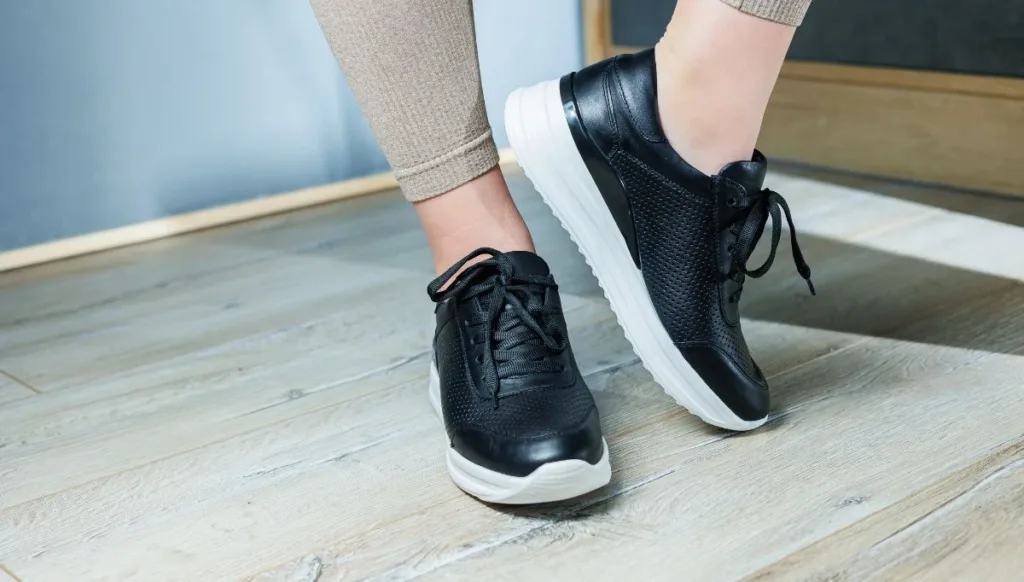
5. Platform Sneakers
Platform sneakers have thicker soles and can give you additional height, but they are still sneakers rather than heels. Their thicker sole does not mean that their shoe size should be compared directly with a pair of heels.
How To Measure Your Feet for Shoes
If you regularly find that your shoe sizes seem inconsistent, measuring your feet can give you a better starting point than relying on the size printed inside your favourite sneakers.
Measure both feet because they may not be exactly the same size. Then compare your measurements with the specific brand’s size chart.
When trying shoes on, make sure there is enough room for your toes and that the widest part of your foot is not being squeezed.
It is also a good idea to try shoes with the type of socks you expect to wear with them, especially when buying sneakers or other closed shoes.
How To Choose the Right Heel Size When Shopping Online
Buying heels online can be a little more complicated because you cannot try them on before paying.
Before ordering, check these things:
Look at the brand’s size chart. Do not assume that your usual size will be identical across every brand.
Check the measurements. If the brand provides foot-length or insole measurements, compare them with your own.
Look at the shoe shape. A pointed-toe heel may feel different from a round-toe or open-toe style.
Read the product details carefully. Look for information about width, material, straps and the type of closure.
Check the return policy. This is especially useful when you are trying a new brand for the first time.
And if you receive the shoes and they are uncomfortable, do not convince yourself that you have to keep wearing them until they magically become a perfect fit. A shoe that does not fit properly is usually a sign to try another size or style.
Frequently Asked Questions
Do heels run smaller than sneakers?
They can feel smaller even when the numerical size is the same. A narrow toe box, pointed shape or different construction can make a heel feel more restrictive than a sneaker.
Should your toes touch the end of your heels?
Your toes should not be painfully cramped against the end of the shoe. The exact amount of space you need depends on the shoe’s design, but the toe box should accommodate your foot comfortably.
Can I use my sneaker size to buy heels online?
Yes, you can use it as a starting point, but do not rely on it alone. Check the specific brand’s measurements and size guide before ordering.
How do I know if heels fit properly?
Try both shoes, stand and walk in them, and check whether your toes are cramped, your heel is slipping, or your foot is sliding forward. A properly fitting pair should feel secure and comfortable when you try it on.
Final Thoughts
So, are heels the same size as sneakers? They can be, but you should never assume that they will fit exactly the same way.
Your usual sneaker size can give you a starting point when shopping for heels, but the brand, style, width, toe shape and construction all matter. Instead of automatically sizing up or down, check the specific shoe’s size guide and focus on how it actually feels on your feet.
A good shoe size is not simply the number on the box. It is the size and shape that gives your foot the space, comfort and security it needs.