Have you ever found yourself sitting in the nail salon, staring at a wall full of color swatches and shapes, only to be completely torn between two stunning nail styles? You’re trying to imagine how each shape would look on your hands, what it might say about your style, and, of course, which one would actually suit your lifestyle.
Among the trendiest shapes, coffin and ballerina nails are taking the spotlight, and for good reason. They’re elegant and edgy and add that perfect finishing touch. But choosing between these two can feel like choosing a favorite song; it all depends on the vibe you’re going for.
In this article, I will help you decide which one to go with, whether you’re a minimalist who loves a clean, chic look or someone who wants bold, statement nails.

Factors to Consider Before Choosing Coffin or Ballerina Nail Shapes
Picking the right nail shape is not just about what looks trendy. There’s so much more to consider. From your finger length and lifestyle to how much maintenance you’re up for, coffin and ballerina nails have their own flair.
They may look alike to some, but trust me, the details can make all the difference in how they suit your hands and your day-to-day life.
1. Hand and finger structure
Okay, let’s start with the basics: the structure of your hands and fingers. Different shapes can create different illusions for your hands.
If you have long or slim fingers, both coffin and ballerina nails are fantastic choices; they’ll accentuate that length even more, giving you an elegant, elongated look.
But if your fingers are on the shorter or wider side, you might want to lean towards ballerina nails. Why? Because the softer taper of ballerina nails mimics a ballet pointe, and that slightly curved tip can balance out a wider or shorter nail bed without looking too heavy.
2. Lifestyle considerations
How you live your life has a huge impact on the nail shapes that will work for you. Coffin and ballerina nails are both long and tapered, meaning they require a bit of care to keep them looking sharp and flawless.
If you’re someone who’s always on the go, running errands, or using your hands a lot (hello, keyboard warriors), it’s good to think twice.
While both shapes are sturdy, longer nails can be prone to chips, cracks, or snags, especially coffin nails, which have a more squared tip. On the flip side, if your lifestyle allows for a little extra maintenance, these nail shapes are worth the effort.
3. Maintenance needs
Coffin and ballerina nails are gorgeous but not exactly low-maintenance, especially if you opt for extensions or acrylics. Regular fills and upkeep are necessary for both shapes to keep them looking polished.
Coffin nails, in particular, have sharp edges that can be prone to chipping if not kept up with, especially if you’re on the move.
While similar, ballerina nails might be slightly easier to maintain thanks to their softer edge. However, both shapes benefit from a bit of extra TLC. Hydration is key here. Keeping your nails and cuticles moisturized can prevent cracking.
And if you aim to maintain that perfect shape, regular touch-ups every two weeks or so will help keep everything fresh.

Key Differences Between Coffin and Ballerina Nails
Alright, let’s get into the real nitty-gritty: what exactly sets coffin nails apart from ballerina nails? They might seem super similar at a glance, but these small details can make a big impact. Let me break down the key differences to help you choose.
1. Shape
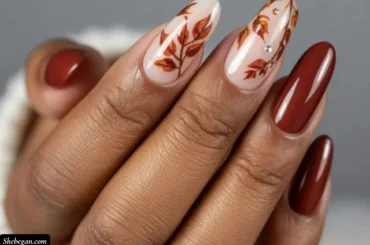
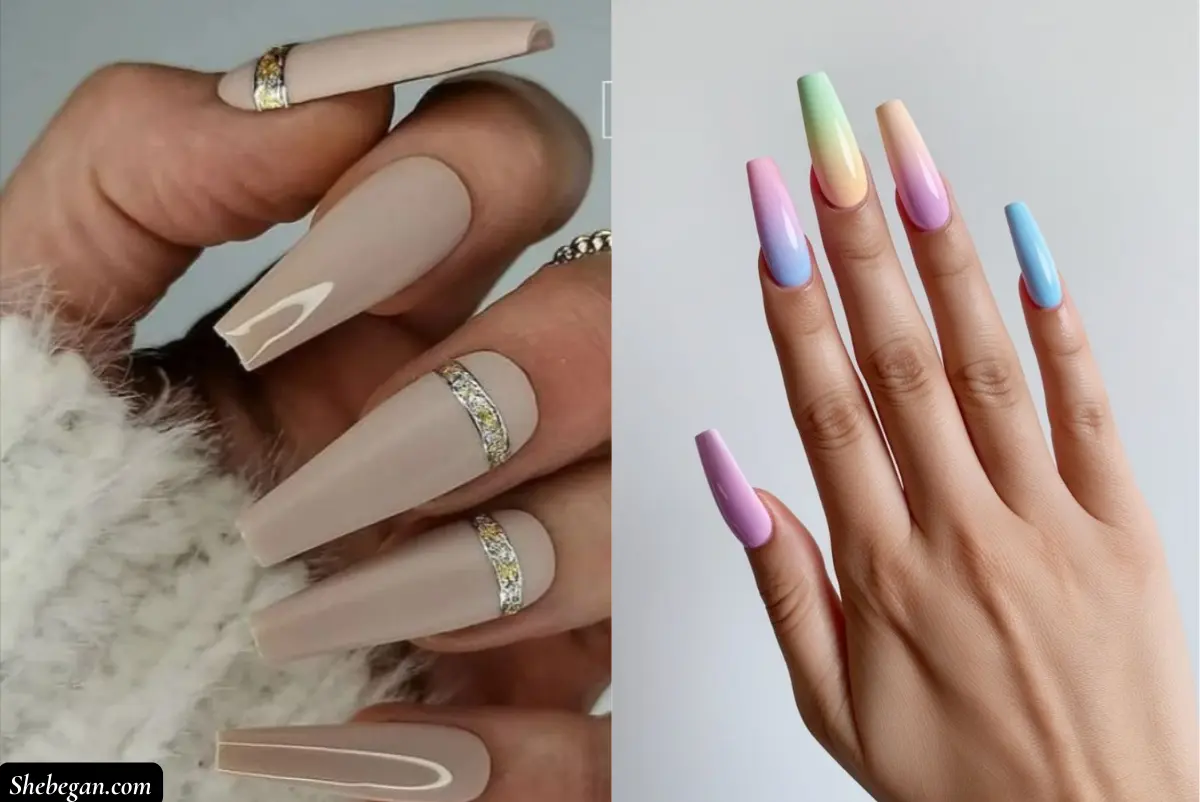
The most noticeable difference is in the shape of the tips. Coffin nails are all about that sharp, squared-off look at the end. Think of them as the edgier of the two, with a bit more of a bold, statement-making vibe.
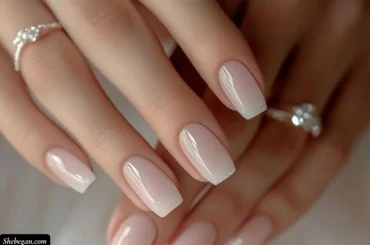
On the other hand, Ballerina nails have a softer, more rounded end that mimics the pointe of a ballet slipper. It’s a small shift, but it gives ballerina nails a more graceful and slightly less intense look.
2. Tapering
When it comes to tapering, coffin nails have a more defined and dramatic taper that narrows sharply toward the squared-off end. This sharp taper can elongate the fingers, adding a sense of length.
Ballerina nails taper a bit more gradually, creating a softer point that’s just slightly rounded at the end. This gives them a more natural, refined look while still keeping that elegant length.
3. Versatility
Versatility is another key factor. Ballerina nails work well with various lengths, meaning you don’t have to grow your nails super long to achieve this look. They also look beautiful on natural nails, which is great if you do not like extensions.
Coffin nails are generally better suited for longer nails or extensions since the squared-off tip is more noticeable with extra length. If you want versatility and prefer a lower-maintenance look, ballerina nails might be the way to go.
How to Decide Between Coffin and Ballerina Nails
Still can’t decide? Let me walk you through a few more points to help you settle on the perfect shape for you.
1. Personal style and aesthetic preferences
Your nails are a canvas, so let them show off your style. If you lean towards bold, edgy, or fashion-forward looks, coffin nails could be your go-to. They’re dramatic, eye-catching, and ideal for those who love to make a statement.
On the other hand, ballerina nails bring a bit more of an understated elegance. They’re perfect for someone who likes a softer, more romantic vibe while still keeping things chic and stylish.
2. Nail length and condition
Coffin nails generally need longer nails or extensions to pull off their shape. The squared-off tip is most noticeable and balanced on longer lengths, so if you’re willing to grow your nails out or invest in acrylics, this could be a fun option.
Ballerina nails, however, are a bit more forgiving and versatile. They look stunning on both long and medium lengths and can work with natural nails if they’re strong enough.
3. Advice from nail technicians
If you’re still on the fence, don’t hesitate to ask your nail tech for advice. Nail technicians have an eye for which shapes suit which hands, and they can help you determine which option will flatter your unique nail structure.
Whether it’s shaping to match your cuticle line or adjusting the taper, a good nail tech can make sure your choice brings out the best in your hands.
Tips for Maintaining Coffin and Ballerina Nails
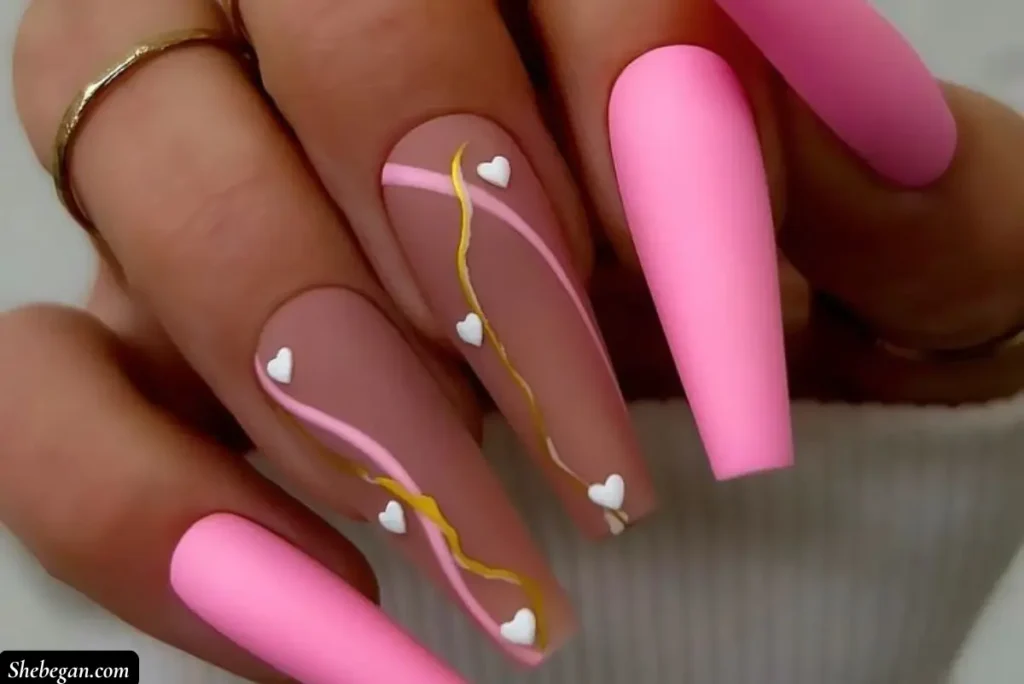
Both coffin and ballerina nails are high-maintenance beauties. Keeping them in top shape requires a bit of extra care, but they are absolutely worth it.
1. Daily and weekly care
For daily care, hydration is your best friend. Use a cuticle oil or hand lotion regularly to keep your nails and skin soft. This simple step helps prevent cracking and keeps your nails looking fresh. Weekly, you might want to gently file and shape any rough edges to avoid chips or snags.
2. Professional upkeep
Visiting a salon regularly is key for maintaining these nail shapes, especially if you’re using extensions. A fill every two to three weeks will keep them looking pristine, and your nail tech can reshape and touch up any imperfections.
3. Use DIY tips for longevity
For those times you can’t make it to the salon, a few DIY tricks can help extend the life of your nails. Using a clear top coat once a week can add an extra layer of protection. And if you’re doing household chores, gloves are your nails’ best friend.

Conclusion
Choosing between coffin and ballerina nails is all about matching your style, lifestyle, and hand shape to the shape that feels right for you. Don’t be afraid to experiment, try one, then the other.
You might find that a certain shape feels like it was made for you. Whether it’s the sharp edge of coffin nails or the delicate taper of ballerina nails, your nails are a reflection of your unique style.