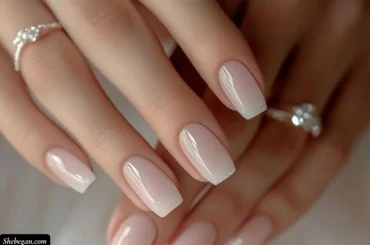

Applying hand cream isn’t the be-all and end-all of hand care. Caring for your nails should also be part of your consideration. Two major product people tend to use for nail care are cuticle oil and cuticle cream. While both products work well for the nails through moisturization, they are not completely similar.
The major difference between cuticle oil and cuticle cream lies in their consistency and texture. Cuticle oil is a liquid, lightweight formulation that absorbs quickly into the skin. On the other hand, cuticle cream has a thicker consistency, similar to a rich lotion, and it lingers on the skin, creating a longer-lasting barrier against dryness.
In this blog post, I’ll cover the pros and cons of cuticle oil and cream. I’ll also talk about determining the most efficient between the two products.

What Are the Benefits of Cuticle Oil?

The benefits of cuticle oil are inexhaustive, some of which are the following;
1. It keeps the nails hydrated
When you apply cuticle oil, you’re giving your nails and the surrounding skin a hydration boost. The oil penetrates deep into the cuticles, preventing dryness and ensuring they stay supple and moisturized. This not only feels great but also helps in maintaining overall nail health.
2. It’s a form of nourishment for nail growth
Your nails need nutrients to grow strong and healthy, and cuticle oil is like a power-packed meal for them. Packed with essential vitamins and oils, cuticle oil nourishes the nail bed, promoting healthier and faster nail growth. So, if you’re looking to enhance the length and strength of your nails, this is a key benefit.
3. It prevents hangnails
Ever had those pesky hangnails that not only hurt but also ruin the appearance of your nails? Cuticle oil is your ally here. By keeping the cuticles soft and moisturized, it significantly reduces the risk of hangnail formation. This means less discomfort and a more polished look for your nails.
4. Improved nail flexibility
Think of cuticle oil as a flexibility trainer for your nails. It enhances the flexibility of your nails, making them less prone to breakage. If you’ve struggled with brittle nails, incorporating cuticle oil into your routine can make a noticeable difference.
5. It neats out your nails and keeps them beautiful
Your nails look their best when they’re well-maintained, and cuticle oil plays a crucial role in this. By keeping the cuticles moisturized and preventing issues like dryness and peeling, your nails appear smoother, shinier, and overall more aesthetically pleasing.
Cons of Using Cuticle Oil
Below are things to look out for when using cuticle oil;
1. Quick absorption requires frequent reapplication
If you prefer a low-maintenance nail care routine and desire products that provide longer-lasting hydration with fewer applications, the quick absorption of cuticle oil might present a challenge.
2. May feel too lightweight for those desiring a heavier texture
Cuticle oil, being a liquid with a light consistency, might feel too weightless for individuals who prefer a more substantial and moisturizing touch. Some may find that the ephemeral nature of the application doesn’t align with their preferences for a richer, more indulgent feel.
3. Less suitable for intensive overnight treatment
Due to its quick absorption, cuticle oil may be less suitable for an intensive overnight treatment compared to thicker products like cuticle cream. The effects might not last throughout the night, necessitating additional applications for extended care.
4. Potential for oil residue on hands
The liquid form of cuticle oil may leave a residue on your hands after application. While this can be easily wiped off, it might be bothersome for individuals who prefer a clean and residue-free finish.
Benefits of Cuticle Cream

1. It gives the nails deep moisture and lasting hydration
Cuticle cream gives your cuticles a dose of deep and lasting moisture. The thick consistency of the cream creates a protective barrier, preventing dehydration and ensuring your cuticles stay soft and hydrated for an extended period. This is especially beneficial if you’re dealing with persistent dryness.
2. It enhances the overall health of the nail
Your cuticles deserve a little luxury, and cuticle cream delivers just that. Packed with rich ingredients like shea butter, beeswax, and essential oils, it provides intense nourishment. These elements work together to fortify the cuticle area, offering not just hydration but also a boost of nutrients that contribute to overall nail health.
3. Long-term protection against dryness
If you’re looking for a product that goes beyond a quick fix, cuticle cream is your go-to. Its thicker consistency ensures a longer-lasting shield against dryness. Regular use forms a protective layer, preventing your cuticles from becoming brittle and reducing the likelihood of issues like peeling or cracking.
4. Improved nail flexibility and strength
Cuticle cream contributes to the overall resilience of your nails. By keeping the cuticles in top condition, it enhances the flexibility of your nails, making them less prone to breakage. If you’ve been dealing with weak or brittle nails, this benefit can be a game-changer.
5. Perfect for nighttime repair
Consider incorporating cuticle cream into your nighttime routine. The thicker consistency and lasting hydration make it an ideal product for overnight repair. Wake up to softer, healthier cuticles and nails ready to face the day.

Cons of Using Cuticle Cream
Here are some of the disadvantages of cuticle cream;
1. Thicker texture takes longer to absorb
The thickness of cuticle cream can be inconvenient, especially if you’re on a tight schedule and prefer a faster nail care routine. It might not be the best choice for those who want a product that absorbs quickly and doesn’t leave a residue.
2. May feel heavier on the skin
Cuticle cream might feel heavier on the skin compared to the lighter touch of cuticle oil. If you have a preference for products that are barely noticeable on your skin, the heavier feel of cuticle cream might not align with your preferences.
3. Less convenient for on-the-go use
Cuticle cream is typically packaged in jars or tubs, making it less convenient for on-the-go use compared to the compact and spill-proof nature of cuticle oil. Scooping out the cream might not be as practical when you’re out and about.
4. May leave a residue
Cuticle cream can sometimes leave a noticeable residue on the skin. While this residue contributes to prolonged moisture, it might be undesirable for those who prefer a clean and residue-free finish.
5. Potentially less suitable for daytime use
Given its thicker consistency and longer absorption time, cuticle cream might be perceived as less suitable for daytime use, especially if you want a product that doesn’t interfere with daily activities.
Differences between Cuticle Oil and Cuticle Cream
Here are some of the differences between cuticle oil and cream;
1. Consistency and texture
Cuticle Oil is like a lightweight serum in consistency. It’s liquid and quickly absorbs, making it perfect for a fast and non-greasy application. If you prefer something that feels weightless and absorbs in a flash, cuticle oil might be your preference.
On the other hand, cuticle cream has a thicker consistency, akin to a rich lotion. It lingers on the skin, creating a longer-lasting barrier against dryness. If you enjoy the feeling of a more substantial and nourishing product, cuticle cream is the way to go.
2. Hydration intensity
The liquid nature of cuticle oil allows for a quick and intense burst of hydration. It penetrates deep into the cuticles, offering immediate relief for dryness. If your cuticles need a swift hydration boost, cuticle oil delivers it effectively.
Cuticle cream, with its thicker texture, provides a more prolonged and intensive hydration experience. It’s like a deep conditioning treatment for your cuticles, ensuring they stay moisturized for an extended period. If you’re looking for long-lasting hydration, cuticle cream is the answer.
3. Application experience
Applying cuticle oil is akin to using a precision tool. The dropper or brush allows for targeted application, making it easy to control the amount you use. If you prefer a precise and quick application process, cuticle oil is your go-to.
While cuticle cream requires massaging into your skin with the tip of your fingers. You get to scoop out a bit and massage it into your cuticles, almost like giving your nails a mini-massage. If you enjoy a more hands-on application, cuticle cream offers that.
4. Differences in usage
You can use cuticle oil for quick touch-ups throughout the day. The compact and spill-proof nature of oil makes it convenient to carry in your bag. If you want a product that seamlessly fits into your on-the-go lifestyle, cuticle oil is the practical choice.
Cuticle cream’s thicker consistency makes it perfect for an overnight treatment for a more extended period of repair and nourishment. If you prefer a dedicated product for nighttime care, cuticle cream is the way to go.
Similarities between Cuticle Oil and Cuticle Cream
Cuticle oil and cream are similar in the following ways;
1. Both hydrate deeply
Just like cuticle cream, the primary purpose of cuticle oil is to hydrate and moisturize the cuticles. It penetrates quickly, providing immediate relief from dryness and promoting overall nail health. Whether you choose oil or cream, the shared goal is giving your cuticles the hydration they need.
2. Nutrient-rich formulations
Both cuticle oil and cuticle cream are formulated with nutrient-rich ingredients. Essential oils, vitamins, and botanical extracts are common components aimed at nourishing the cuticle area. Whether you opt for oil or cream, you’re treating your cuticles to a beneficial blend of ingredients that support their health.
3. Hangnail prevention
One of the shared benefits is the prevention of hangnails. Both oil and cream keep the cuticles soft, reducing the likelihood of painful hangnails. Regardless of your choice, you’re contributing to smoother and more comfortable nails by incorporating either product into your routine.
4. Convenient packaging
Whether in a small bottle with a dropper or a convenient pen applicator, cuticle oil is designed for easy and on-the-go application. Similarly, cuticle cream often comes in portable containers. Both are travel-friendly, fitting into your bag for quick nail care wherever you go.
5. Aesthetic improvement
Both products contribute to the overall aesthetic improvement of your nails. By keeping the cuticles moisturized, you’re not only preventing issues like dryness but also ensuring your nails look smoother and healthier. Whether you choose oil or cream, the result is beautiful nails.
Should You Use Cuticle Cream or Cuticle Oil?
Use cuticle oil as it is considered better than cuticle cream due to its quick-absorbing nature and efficiency in providing immediate hydration to the cuticles. The liquid consistency of cuticle oil allows for rapid penetration. This makes it an ideal choice for those seeking a lightweight and non-greasy option, particularly for on-the-go use.