
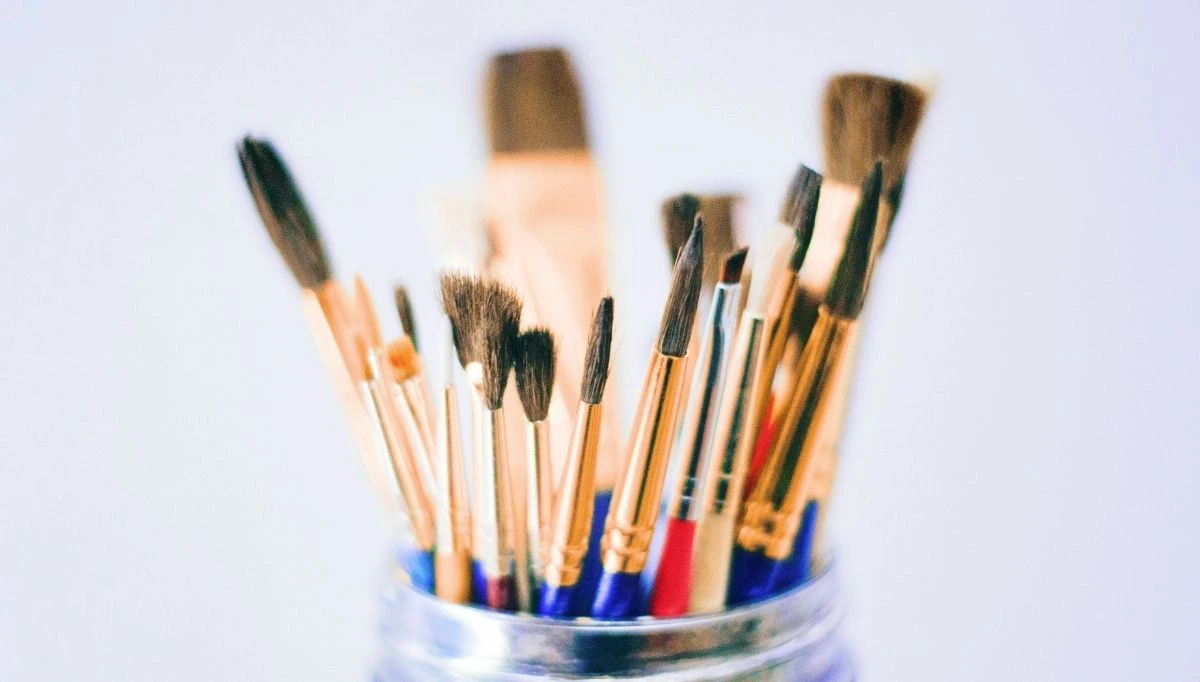
Acrylic nails are actually one fancy way to express your love for nail art, as they offer versatile designs and durability. But it’s no secret that acrylic paints can be tough on brushes. If you really love getting acrylics, you need to learn how to keep acrylic brushes from hardening to enjoy the use of your brushes for a long time.
To keep your acrylic brush from hardening, ensure to clean it immediately after use and apply conditioner on the bristle to keep it soft. The fast-drying nature of acrylics can lead to bristle hardening if not cared for properly.
I will give you more tips on how you can keep your acrylic brushes from hardening. Also, I will walk you through how you can effectively clean your acrylic brushes, and if you already have a hardened brush, I will guide you on how to soften it In this post.

Why Is My Acrylic Brush Hardened?
Getting hardened acrylic brushes when you want to use them can be caused by several factors. However, these brushes get hardened mostly because acrylic paint has fast-drying properties, which can lead to bristle hardening if not managed properly.
For instance, if you don’t clean your acrylic brushes thoroughly after each use, dried paint residue can accumulate on the bristles over time, causing them to harden. Moreover, using inadequate cleaning methods or harsh solvents that damage the bristles can contribute to hardening.
Also, if you are the type that loves leaving brushes soaking in water or paint thinner for too long, this act of yours can weaken the bristle structure and lead to hardening. Furthermore, if you don’t shape the bristles back to their original form after cleaning and allow them to dry improperly, it can result in bristle deformation and hardening.
Tips To Keep Acrylic Brushes From Hardening
No one wants to be a regular visitor at a beauty store to get acrylic brushes due to the fact that they get hardened after every use. Don’t worry; the tips I will give you below will save you from this mystery when you follow and use them properly. So, advice to keep your acrylic brushes from hardening up includes the following:
1. Invest in high-quality brushes
Acrylics are actually fast-drying, so it is best to use the best brush when it comes to acrylic painting. Start with high-quality acrylic brushes designed to withstand the demands of acrylic paints. Good brushes are more durable, easier to clean, and maintain their shape.
2. Clean the brush after each use
After each painting session, make it a habit to clean your brushes thoroughly using lukewarm water and mild soap or a specialized brush cleaner. Be gentle while working the bristles to remove paint residue.
3. Avoid soaking the brush for a prolonged time
Leaving your brushes soaking in water for extended periods can damage the bristles and affect the brush’s shape. Instead, promptly clean and rinse them after use.
4. Consider using brush conditioners
Brush conditioners or even hair conditioners can help maintain the softness of bristles. For natural hair bristles, you can use a small amount of hair conditioner to keep them soft and supple. These products are effective in preventing paint from adhering to the bristles, making cleanup a breeze. Rinse well afterward.
5. Proper drying and storage of the brush
Ensure your brushes are completely dry after cleaning. Shape the bristles back to their original form. This prevents distortion and hardening. Store your brushes with their bristles facing up or flat. Avoid storing them with pressure on the bristles, as this can deform the shape.
6. Use brush protectors
Always protect the bristles when not in use. Use plastic or paper covers to prevent damage and dust accumulation. Brush protectors, sheaths, or brush guards are valuable tools to preserve the shape and condition of your brushes. They also keep bristles clean and safe from external factors.
7. Handle brushes with care
Practice gentle brush handling techniques during painting. Avoid applying excessive pressure, which can cause bristle deformation and eventual hardening.
8. Maintain brush hygiene
Regularly clean your brushes to prevent dried paint residue from accumulating. Maintaining good brush hygiene is crucial to ensuring that your brushes stay in excellent condition. To keep your brush, follow the point below:
- Use mild soap and warm water to clean your brushes. Gently lather and rinse until the water runs clear.
- Commercial brush cleaners can be useful, but use them sparingly. They may contain harsh chemicals that can affect bristle quality.
- After cleaning, reshape the bristles to their original form. This will help maintain the brush’s precision.
- Use separate brushes for different colors to prevent cross-contamination and maintain color purity.
- Avoid using your brushes on abrasive or rough surfaces. It can quickly wear down the bristles.
- Consider using brush holders or containers to keep your brushes organized and protected.
- Regularly inspect your brushes for any damage, loose bristles, or paint buildup. Address any issues promptly.
- Avoid using harsh solvents like acetone or nail polish remover for cleaning acrylic brushes, as they can damage bristles.

How Do You Soften Hard Acrylic Brushes?
Over time, acrylic brushes can harden due to paint residue buildup and improper maintenance. Restoring them to their original softness is possible with the right techniques. Here’s a guide you can follow to soften your hard acrylic brushes:

Step 1: Soak the brush bristles in acetone
Fill a container with enough acetone to submerge the brush bristles. Gently place the hardened brush in the acetone and let it soak for several hours or overnight. Acetone helps break down the dried paint residue.
Step 2: Apply brush conditioner on the brush bristles
After the acetone soaks, apply a brush conditioner or hair conditioner to the bristles. Gently massage it in to help soften the bristles and remove any remaining residue. Rinse with warm water and mild soap.
Step 3: Shape and condition the brush bristles
Reshape the brush bristles to their original form and apply a small amount of brush conditioner. Use your fingers to work the conditioner into the bristles, which will help soften and maintain their flexibility.
Step 4: Rinse and comb the bristles thoroughly
After conditioning, rinse the brush under warm water to remove any remaining conditioner and paint residue. Be sure to remove all traces of the acetone and conditioner. Then, use a fine-tooth comb or a brush comb to comb through the bristles gently. This helps to separate and straighten the strands, further softening them.
Step 5: Air dry the brush properly
After rinsing, reshape the bristles and allow the brush to dry naturally. Ensure it’s stored with the bristles facing up to maintain their shape. If the brush is still not as soft as desired, repeat the process until you achieve the desired softness.
By following these steps, you can effectively soften your acrylic brushes, restoring them to their original condition and prolonging their lifespan.
How Do You Clean Acrylic Brushes?
Cleaning acrylic brushes is a way to keep them from hardening up. So, to clean them, you can begin by preparing a small container with warm water and another with mild soap, brush cleaner, or monomer. Place them within easy reach. If your brush has significant paint buildup, gently wipe off excess paint with a paper towel or a cloth before cleaning.
Next, dip the brush into the container with mild soap, brush cleaner, or monomer. Also, gently swirl the brush in the cleaning solution, creating a lather. Use a gentle back-and-forth motion to clean the bristles thoroughly.
After cleaning, use a brush comb or fine-tooth comb to comb through the bristles gently. This helps remove any remaining paint and ensures the bristles are straight and clean. Then rinse the brush under warm running water, gently squeezing the bristles to remove all soap residue and any remaining paint.
If you choose to condition your brush, apply a small amount of brush conditioner to the bristles. Gently massage it in to soften and maintain bristle flexibility. Rinse thoroughly. Reshape the brush bristles to their original form. Use your fingers to ensure they are properly aligned.
Lay the brush flat on a clean towel or paper towel to dry. Ensure the brush is placed with the bristles hanging off the edge of the surface to maintain their shape. Avoid standing the brush upright while drying, as water can seep into the ferrule and loosen the bristles.
There are still other effective ways you can use to clean your acrylic brushes and prevent them from becoming hardened. Check my post on how to clean acrylic nail brushes without monomers for other effective ways to clean your brush.
Final Verdict
To prevent your acrylic brushes from hardening, it’s essential to adopt proper cleaning and maintenance practices, as mentioned in the previous responses. This will help keep your brushes in excellent condition and extend their lifespan.
Also, if your acrylic brushes have hardened up, you can soften them up through the appropriate method. However, if the steps do not work, you should consider getting another acrylic brush and giving it proper maintenance and regular cleaning to prevent the bristle from hardening in the future.