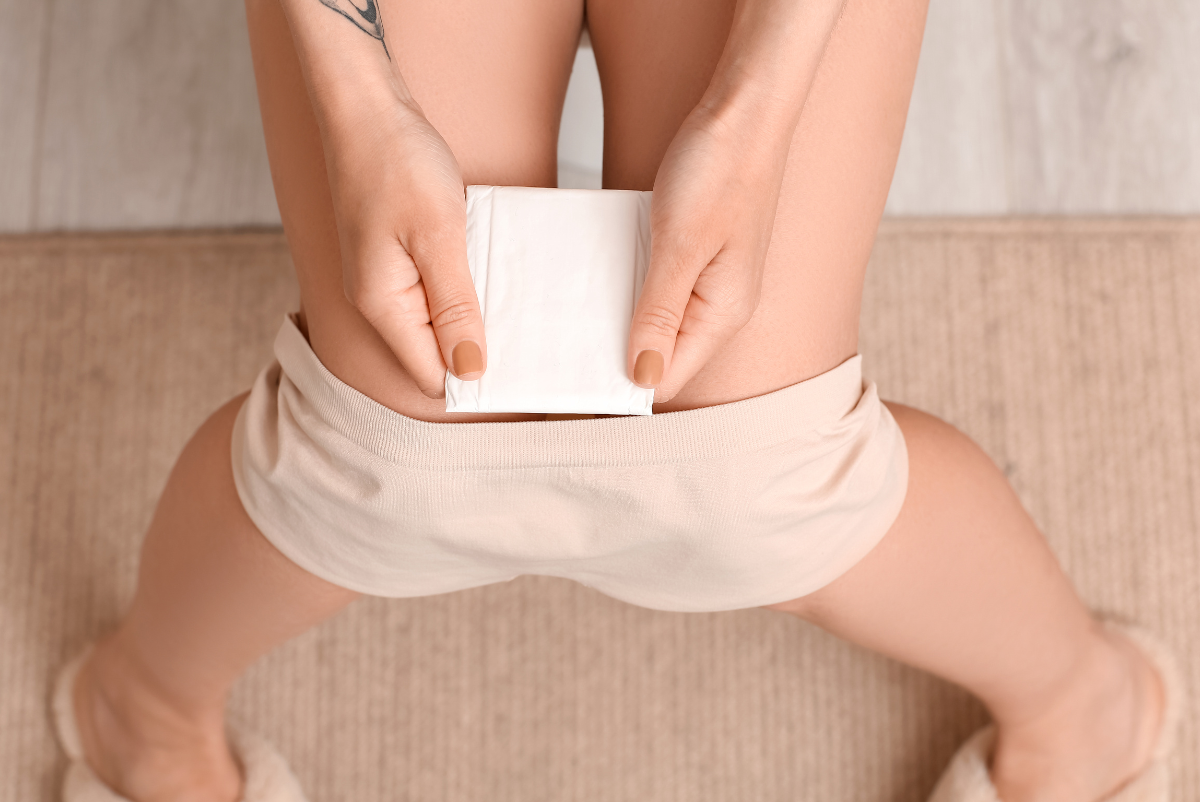
Bunched-up pad can ruin your day and make that time of the month even more challenging. It causes your under pant and pad to clump up around your lady part. Bunched-up pad can cost you your comfort and then irritation-induced rashes.
Among other things, pad bunching-up is caused by wrong underwear size and weak pad adhesive. Now how do you tackle this situation? Top on the list of what to do is to get perfect underwear and pad with good adhesive quality.
In your interest, this blog post will highlight causes and how to stop pads from bunching up. Plus, other worry-free menstrual products.

Can Bunching Pads Cause Leaks?
Yes, bunching pads can cause gaps between the pad and your body, leading to leaks. Proper pad placement and secure attachment can help minimize the risk of leaks.
Are Reusable Cloth Pads Better for Preventing Bunching?
Reusable cloth pads often have better grip and stay in place more effectively compared to some disposable pads. They can be a good option for those seeking eco-friendly alternatives and reduced bunching.
11 Ways to Stop Pads from Bunching Up
To stop pads from bunching up during use, follow these practical steps:
1. Choose your size of pad
As I mentioned earlier, size matters when it pads. Select pads that match your flow and body shape. Using the appropriate size ensures a better fit and reduces the chances of bunching.
2. Opt for quality pads
Invest in high-quality pads that maintain their shape and structure even during prolonged use. Good-quality pads are less likely to bunch up.
3. Wear well-fitting underwear
Choose underwear that fits comfortably and snugly around your body. Properly fitted underwear provides a stable base for the pad.
4. Position the pad correctly
Place the pad centrally in your underwear, ensuring it covers the necessary area for absorption. This helps prevent bunching on one side.
5. Secure with adhesive strips
Many pads come with adhesive strips to keep them in place. Press down firmly on the adhesive wings to ensure the pad stays put. On this note, neglect pads with weak adhesive and opt for pads with strong adhesive.
6. Avoid synthetic fabrics
If possible, opt for underwear made of natural fabrics like cotton. These materials provide better grip and reduce the chance of pad movement.
7. Change regularly
Replace the pad every 3 to 4 hours or as needed, depending on your flow. Frequent changes help maintain pad integrity and reduce bunching.
8. Smooth out the pad
After placing the pad in your underwear, smooth it out with your hand to ensure it lies flat and without any folds or creases.
9. Consider specialized pads
For active lifestyles or overnight use, consider using pads specifically designed for these purposes. They offer additional features to prevent bunching during movement.
10. Try different brands
Not all pads are created equal, so experiment with various brands to find the one that fits your body and prevents bunching effectively.
11. Reusable cloth pads
Consider trying reusable cloth pads, which often have better grip and are less likely to bunch up compared to some disposable options.

2 Bunching-free Alternatives
When looking for alternatives to pads, two popular options are tampons and menstrual cups. Both tampons and menstrual cups offer unique benefits and can be excellent alternatives depending on individual preferences and needs:
Tampons
- Tampons are small, cylindrical absorbent products inserted into the vag to absorb menstrual flow directly.
- They are discreet and can be more convenient for active lifestyles, as they stay inside the body, providing freedom of movement during sports and physical activities.
- Tampons come in different absorbency levels to suit varying flow intensities.
- Some tampons have applicators, which can ease the insertion process, while others are applicator-free and more environmentally friendly.
- It’s important to change tampons regularly to prevent potential health risks associated with leaving them in for too long.
Menstrual cups
- Menstrual cups are small, flexible cups made of medical-grade silicone or other safe materials that are inserted into the vag to collect menstrual flow.
- They are reusable and eco-friendly, significantly reducing waste compared to disposable pads and tampons.
- Menstrual cups can be worn for up to 12 hours, depending on your flow, providing longer wear times and convenience, especially on heavy-flow days.
- They are cost-effective since one cup can last for several years with proper care.
- Menstrual cups require a learning curve for insertion and removal but offer a comfortable and secure fit when inserted correctly.
Why do pads bunch up during use?
Pads can bunch up due to several reasons, including incorrect pad size, poor-quality pads, unsuitable underwear, fabric type, physical activities, and improper pad placement.
Are there specialized pads for active lifestyles?
Yes, some pads are designed for active lifestyles and sports. These pads offer added security and stability during physical activities to prevent bunching and ensure comfort.
Conclusion
Bunching pads can lead to discomfort, leaks, and a lack of confidence during menstruation. By understanding the causes of bunching and implementing practical solutions, you can significantly improve your menstrual routine.
Choosing the right pad size and opting for high-quality pads are fundamental steps in preventing bunching. Also, proper pad placement and regular pad changes are crucial for maintaining comfort and hygiene.
Remember that every individual is unique, and finding the ideal solution may require some trial and error.